

National Park · Lampang
Chae Son National Park: Where the Forest Meets the Heat Beneath the Earth
อุทยานแห่งชาติแจ้ซ้อน
Lampang · Northern Thailand
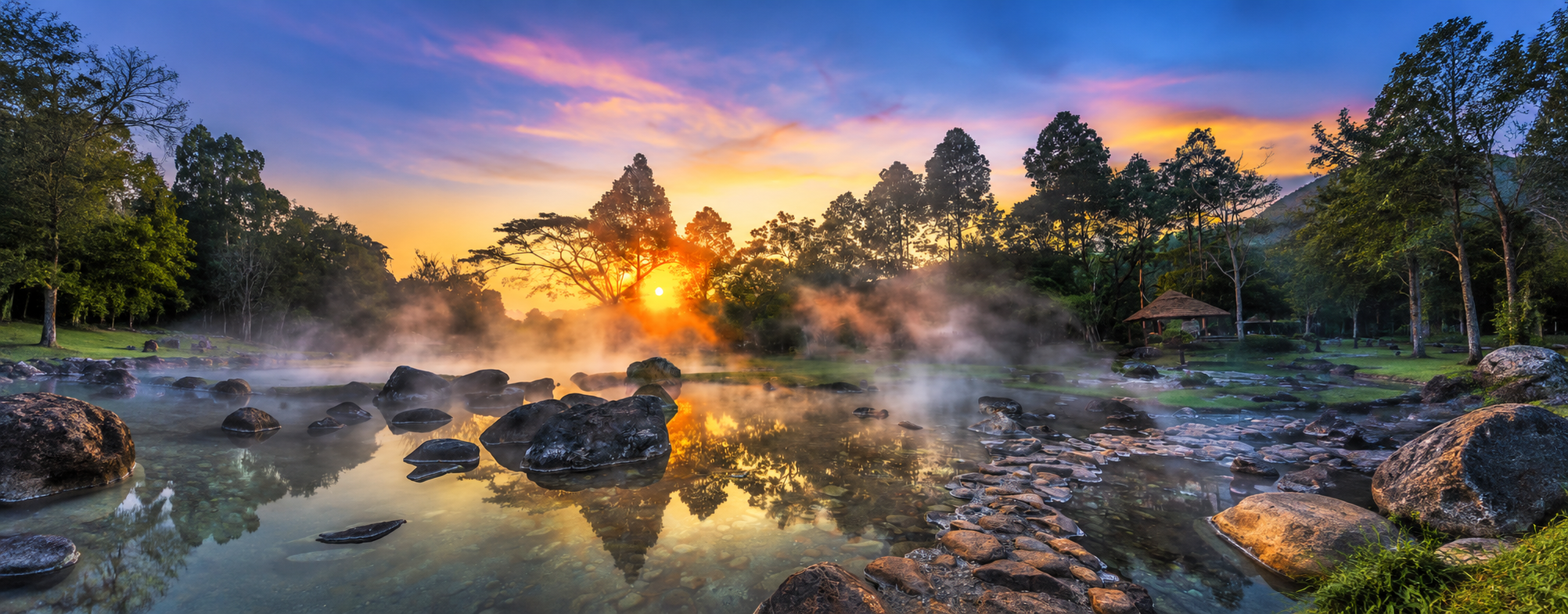
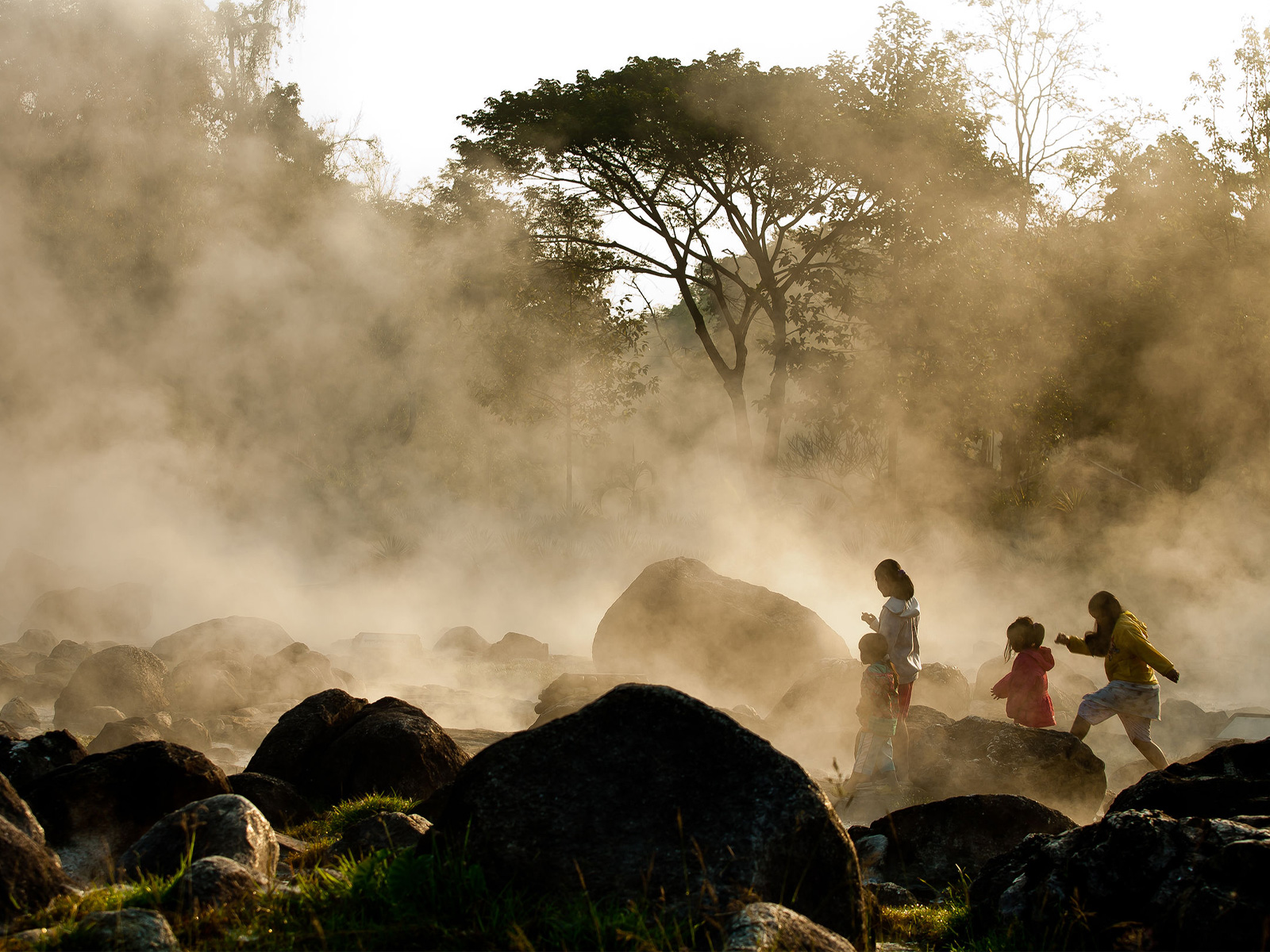
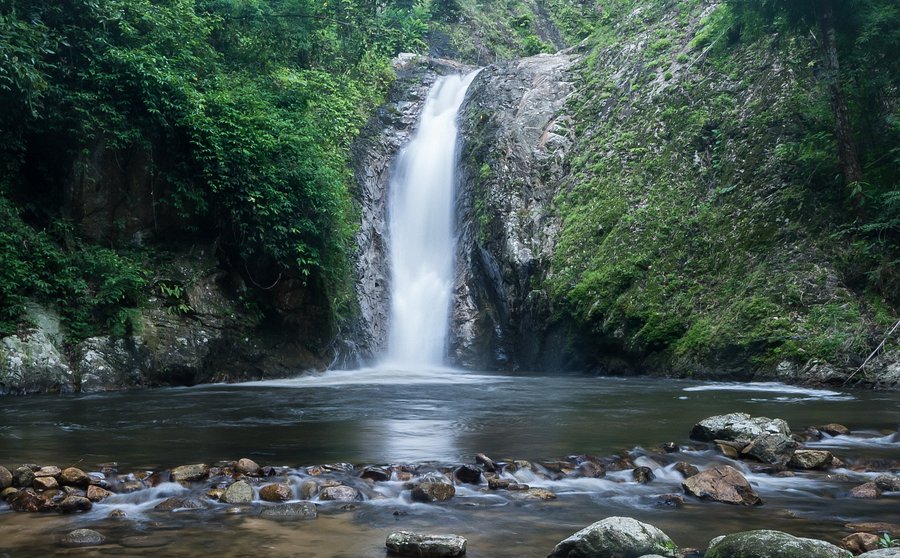
Steam rises from natural hot springs. Cold mountain water falls through the forest. Granite boulders sit among geothermal pools — and beyond the main visitor area, mountain roads climb toward viewpoints, forests and highland communities.
Basic Information
- Name
- Chae Son National Park
- Thai Name
- อุทยานแห่งชาติแจ้ซ้อน
- Province
- Lampang
- Districts
- Mueang Pan · Chae Hom · Wang Nuea · Mueang Lampang
- Region
- Northern Thailand
- Established
- 28 July 1988
- National Park Number
- Thailand’s 58th National Park
- Area
- Approximately 480,000 rai / 768 km²
- Elevation
- Mountainous terrain from lower valleys to high ridges approaching 2,000 metres
- Management
- Department of National Parks, Wildlife and Plant Conservation (DNP)
- Main Character
- Hot springs · Waterfalls · Mountain forests · Viewpoints · Caves · Highland communities
Chae Son National Park occupies a large mountainous landscape in northeastern Lampang. It is both a forested watershed and a geothermal landscape, where hot springs emerge from beneath the mountains while streams descend through the surrounding forest to form waterfalls.
The park’s most distinctive feature is the unusual proximity of Chae Son Hot Springs and Chae Son Waterfall — two very different expressions of the same landscape, brought together within a relatively compact visitor area.
Introduction
Chae Son National Park in Lampang is one of Northern Thailand's most distinctive natural landscapes, combining geothermal hot springs, waterfalls, mountain forests, caves and highland communities within a vast protected area.
Located in the mountainous northeast of the province, the park covers approximately 480,000 rai, extending across four districts and forming part of a larger forested mountain system that functions as an important watershed — one of the standout destinations in ThailandLover’s Nature & Parks collection.
But Chae Son is not defined by its size.
It is defined by contrast.
Here, groundwater heated deep beneath the earth rises through geological fractures to form natural hot springs. Nearby, mountain streams descend through the forest as waterfalls.
The result is a landscape where steam, rock, forest and running water exist almost side by side.
This is what makes Chae Son particularly interesting for travellers who want to experience northern Thailand beyond the familiar temples and city landscapes.
Why Visit Chae Son?
One National Park, Several Different Landscapes
Chae Son rewards travellers who stay longer than a quick hot-spring stop.
- 01 — Hot Springs
- Nine natural hot-spring pools form the park’s signature geothermal landscape.
- 02 — Waterfalls
- Chae Son Waterfall and several other waterfalls descend through the surrounding mountain forest.
- 03 — Mountain Forest
- A mixture of forest ecosystems associated with different elevations and moisture conditions.
- 04 — Highland Views
- Higher areas such as Kio Fin offer expansive views across the mountain ranges of Lampang and toward Chiang Mai.
- 05 — Caves
- The Pha Ngam area contains several caves and karst-related formations that can be explored with appropriate local guidance.
- 06 — Highland Culture
- Routes beyond the park headquarters connect with mountain communities such as Ban Pa Miang, where traditional tea-growing culture remains part of the landscape.
- 07 — Winter Atmosphere
- Cool mountain air, morning mist and flowering trees make the area particularly atmospheric during the cooler months.
The Landscape
A Mountain Forest Built Around Water
Chae Son sits within a complex mountain landscape rather than a single dramatic summit.
The terrain consists of ridges, valleys, streams and forested slopes, creating multiple ecological zones.
Research on the park describes a mixture of mixed deciduous forest, dry dipterocarp forest, hill evergreen forest, pine forest and moist forest distributed according to elevation and local moisture conditions.
This variation is important.
- Lower Elevations
- Seasonal forests can appear more open and sunlit.
- Higher Slopes
- Cooler and more humid conditions support denser mountain vegetation.
- Streams & Valleys
- Moisture-loving vegetation creates a different forest character again.
The result is a park that changes dramatically as the road climbs.
The Geology of Chae Son
The Heat Beneath the Mountains
One of Chae Son’s most fascinating stories is invisible.
The hot springs are not simply pools of naturally warm water.
They are the visible expression of a geothermal system beneath the landscape.
According to Thailand’s Department of Mineral Resources, rainwater and groundwater can infiltrate through fractures and faults in the underlying rocks. As the water moves deeper underground, it is heated before rising again toward the surface through geological fractures.
At Chae Son, the hot springs occur in a valley environment near the Mae Mon stream.
The geological setting includes granite and quartzite boulders, while the hot water rises through fractures associated with regional fault structures. DMR measurements indicate surface hot-spring temperatures of up to around 81°C, while geothermal calculations suggest underground temperatures can reach approximately 149°C.
This makes Chae Son more than a scenic hot spring.
It is an accessible example of Thailand’s geothermal geology.
Chae Son Hot Springs
The Landscape That Made Chae Son Famous
The hot springs are the park’s most recognizable feature.
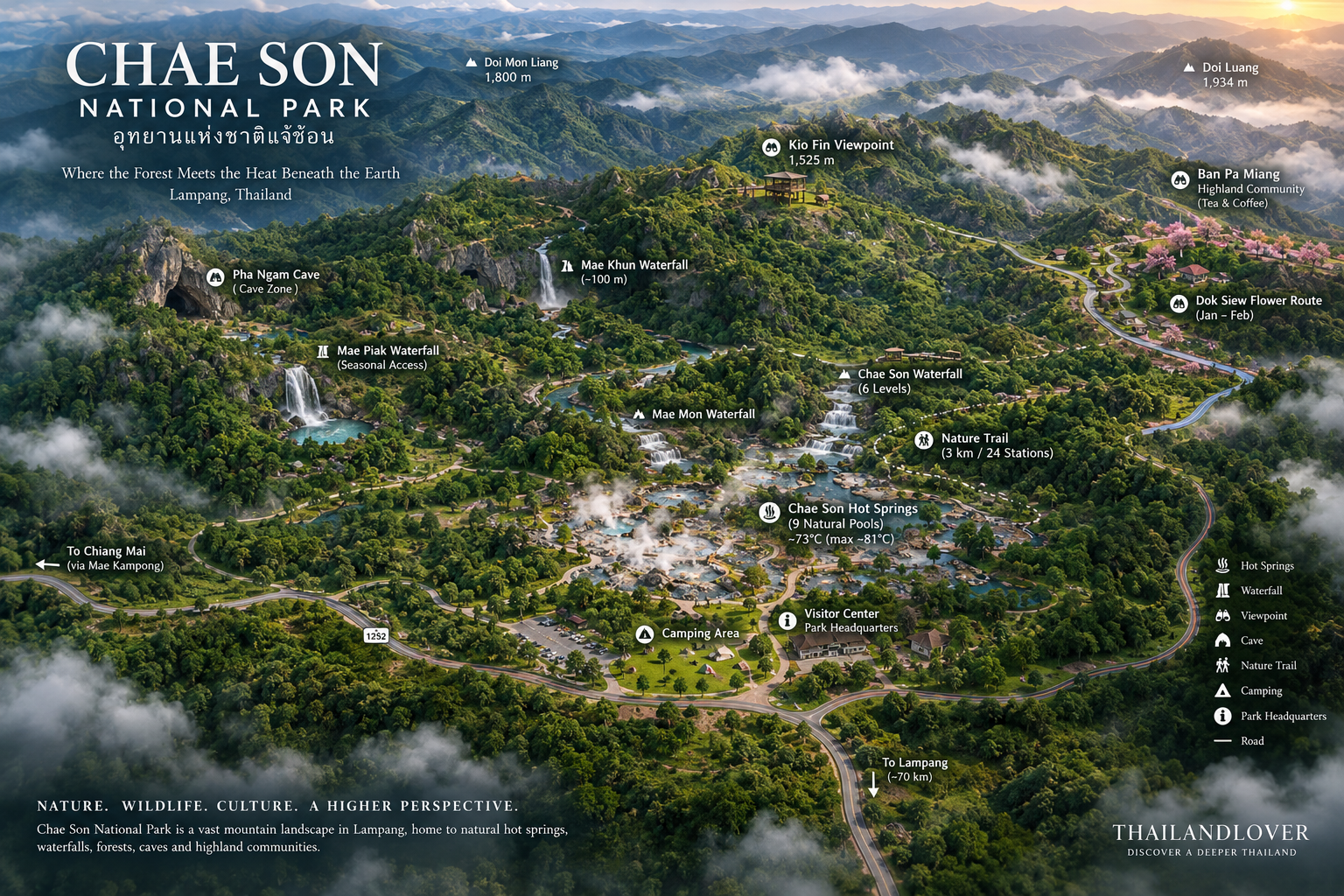
Approximately nine hot-spring pools and seepage points are concentrated within a relatively small area surrounded by natural rocks and vegetation. Average temperatures are commonly cited around 73°C, while individual pools used for visitor activities can be hotter.
Steam rising from the pools is particularly atmospheric in the morning.
On cool days, the contrast between the cold mountain air and geothermal steam creates one of Chae Son’s most distinctive visual scenes.
This is not an artificial spa landscape.
The spa facilities have been developed around a natural geothermal system that has existed here long before tourism.
Mineral Bathing
From Geothermal Landscape to Wellness
Chae Son has developed mineral-bathing facilities using geothermal water supplied from the hot-spring system.
The bathing water is cooled to a much lower temperature suitable for bathing, commonly reported around 39–42°C.
Visitors can choose between private rooms, communal bathing areas and outdoor bathing facilities.
This gives Chae Son a different rhythm from many northern national parks.
You do not necessarily come here only to hike.
You can walk through the forest, see the waterfall, watch steam rise from the springs, and then slow down with a mineral bath.
Chae Son Waterfall
Six Levels of Mountain Water
Chae Son Waterfall is the park’s second defining landscape.
The waterfall originates from Mae Mon stream, which descends through a series of geological levels to form approximately six tiers.
The waterfall flows throughout the year, although its visual character changes with rainfall and season.
- Wetter Periods
- The stream becomes more powerful.
- Cooler & Drier Periods
- The individual rock formations and pools become more visible.
The waterfall is surrounded by forest and connected to the wider nature-study route linking the waterfall and hot-spring area.
Chae Son Waterfall Nature Trail
Follow the Water Back Into the Forest
The Chae Son Waterfall Nature Study Trail is approximately 3 kilometres long and includes around 24 interpretation points.
The route introduces visitors to forest ecology, local plants, streams and the relationship between the hot spring and surrounding mountain environment.
This is one of the best ways to understand Chae Son.
Instead of seeing the hot spring and waterfall as two unrelated attractions, the trail allows you to experience them as parts of a single watershed landscape.
The Warm Water Pool
Where Hot Water Meets Cold Mountain Water
One of Chae Son’s more unusual natural features is the warm-water area created where geothermal water meets cooler water from the waterfall system.
The resulting water is considerably more comfortable than the original hot springs and forms part of the park’s bathing landscape.
Hot spring + mountain stream + forest = warm-water landscape
Beyond the Main Visitor Zone
Mae Mon / Mae Mown Waterfall
The Wild Side of Chae Son
Beyond the main visitor zone, the park contains more remote waterfalls.
Mae Mon Waterfall is characterized by stronger water flow descending from high rock formations into a deeper forest landscape.
It is less suitable for casual swimming and is better understood as a wild waterfall environment rather than a recreational pool.
Mae Khun Waterfall
A Long Vertical Drop
Mae Khun Waterfall is located near Mae Mon Waterfall.
It is described as a long waterfall with a drop of approximately 100 metres, descending through the forest before joining the Mae Mon system.
Because access is more remote than the main Chae Son waterfall, visitors should check current conditions and ask park staff about access or whether a guide is required.
Mae Piak Waterfall
Deep Forest, Far From the Main Visitor Area
Mae Piak is another waterfall landscape within the wider national park.
The Mae Piak Nature Study Trail is approximately 3.7 kilometres and forms a loop along Mae Piak stream, with interpretation points focusing on forest ecology and traditional uses of forest resources.
The route provides a different experience from the hot-spring zone. Instead of geothermal steam and developed facilities, the focus shifts toward forest, water and ecological interpretation.
Access to Mae Piak has historically been subject to seasonal closure. DNP/TAT’s published park-status information has listed a May–October seasonal closure, but visitors should check the current annual DNP schedule before travelling because closure dates can be revised.
Pha Ngam Caves
The Cave Country of Chae Son
The Pha Ngam area lies farther from the main park headquarters and contains several caves, including Pha Ngam Cave, Nam Cave and Mor Cave, among others.
The area is associated with the park’s Pha Ngam protection unit and is considerably more remote than the hot springs and Chae Son Waterfall.
This is an important distinction for visitors.
Chae Son is not simply one attraction around a parking area.
The national park extends across a large mountainous territory, and some attractions require significantly more time, preparation and local knowledge.
Kio Fin Viewpoint
Above the Clouds
One of the park’s most atmospheric high-elevation experiences is Kio Fin Viewpoint.
The viewpoint is located around 1,500 metres above sea level, with official local information placing the viewpoint at approximately 1,525 metres.
From the ridge, the landscape opens toward surrounding mountain ranges.
On clear mornings, low cloud and mist can settle into the valleys below, creating the classic northern Thailand sea-of-mist landscape.
The experience is very different from the hot springs.
Down below, you have geothermal steam.
Up here, you have mountain mist.
The High Country
Where Chae Son Becomes a Mountain Journey
The upper areas of the park are where Chae Son begins to feel less like a conventional tourist attraction and more like a genuine northern mountain landscape.
Roads climb through forested slopes toward higher viewpoints and communities. Temperature drops with elevation. Vegetation changes. Clouds gather around ridges. And the landscape becomes increasingly connected to Chiang Mai’s mountain country.
This is one reason Chae Son works particularly well as part of a Lampang–Chiang Mai mountain itinerary.
The Flowering Season
White Flowers Across the Mountain Road
During the cooler months, the road toward Ban Pa Miang becomes particularly photogenic as white Dok Siew / Bauhinia flowers bloom along the landscape.
The flowering season is generally associated with January–February, although exact timing varies with weather.
The Chae Son–Pa Miang route is approximately 18 kilometres and is one of the most attractive seasonal drives in this part of Lampang.
This is not a manicured flower garden.
The appeal comes from seeing flowering trees integrated naturally into the mountain forest.
Ban Pa Miang
A Highland Community in the Forest
Ban Pa Miang is one of the communities that gives the Chae Son landscape a cultural dimension.
Located in the mountain country above the main park area, the community has a long relationship with forest resources and the cultivation of miang, traditional fermented tea leaves, as well as coffee.
The village has developed community-based tourism and homestay experiences, making it possible to experience Chae Son as a living mountain landscape, rather than simply a national park attraction.
Forest & Biodiversity
A Forest of Different Elevations
Chae Son’s biodiversity is closely connected to elevation.
- Lower Slopes
- Seasonal forest types.
- Higher Slopes
- Hill evergreen and pine-associated vegetation.
- Moist Valleys
- Denser forest communities.
This creates habitat diversity across a relatively large elevation gradient.
Historical ecological inventories have recorded mammals including barking deer, sambar deer, wild boar, serow, leopard, Asiatic black bear, white-handed gibbon, slow loris, porcupine, civets and other small mammals, together with a wide variety of birds, reptiles and amphibians.
However, ThailandLover treats historical species lists carefully.
A species being documented in older park literature does not mean visitors should expect to see it.
Wildlife here is a conservation story, not a zoo.
Birdwatching
Listen Before You Look
Chae Son’s mixture of forest types and elevations creates opportunities for birdwatching.
The best experience is often early in the morning, when the forest is cooler and bird activity is higher.
Rather than promising particular species, ThailandLover recommends treating Chae Son as a forest birding environment where patient observation is more rewarding than a checklist mentality.
Bring: binoculars, a long-lens camera, neutral clothing, water, insect protection — and patience.
The National Park as a Watershed
The real importance of Chae Son extends beyond its waterfalls.
The mountains act as a source of streams and headwaters feeding surrounding communities and river systems. The park’s forests slow rainfall, store moisture and release water gradually through streams and valleys.
Chae Son is not simply where the water falls.
It is where much of that water begins its journey.
From Forest Park to National Park
Chae Son’s protected-area story began before its national-park designation.
The waterfall and warm-water landscape were initially developed as a forest-park area.
Following surveys and government consideration of the area’s natural and tourism potential, Chae Son was formally declared a national park on 28 July 1988, becoming Thailand’s 58th national park.
The original designation covered approximately 370,000 rai / 592 km². A subsequent expansion added approximately 110,000 rai / 176 km², resulting in the commonly cited current total of approximately 480,000 rai / 768 km².
Chae Son’s Two Personalities
The Easy Side
The central hot-spring area is relatively accessible. You can walk around the hot springs, watch steam rise from the pools, boil eggs, visit Chae Son Waterfall, walk a nature trail, take a mineral bath, eat at park facilities and stay overnight.
This side of Chae Son is comfortable for families and casual travellers.
The Wild Side
Go deeper into the park and the character changes.
You encounter mountain roads, remote waterfalls, forest trails, caves, high-elevation viewpoints, campsites, more demanding terrain and less predictable weather.
This is the side of Chae Son that rewards travellers willing to spend more time.
Experiences
The Chae Son Day
- Morning
- Arrive early. Walk through the hot-spring field while the morning air is still cool. Watch the steam move through the rocks. Boil eggs.
- Late Morning
- Walk toward Chae Son Waterfall. Follow the stream. Explore the forest.
- Afternoon
- Take a mineral bath. Have lunch. Then continue toward higher mountain areas if road and weather conditions permit.
- Late Afternoon
- Drive toward a viewpoint or return through the mountain landscape.
The Chae Son Overnight
Better Than a Quick Stop
If time allows, stay overnight.
The park provides accommodation and camping facilities, although availability, pricing and individual facilities should be confirmed directly with the park before travel.
An overnight stay changes the experience. The main visitor crowds disappear. The temperature falls. The forest becomes quieter.
And early morning becomes the best time to experience the hot springs and mountain atmosphere.
Photography
What to Photograph at Chae Son
- 01 — Hot-Spring Steam
- Best in cool morning conditions.
- 02 — Granite + Steam
- Use foreground rocks to frame the geothermal pools.
- 03 — Chae Son Waterfall
- Photograph the relationship between water, rock and forest rather than simply the waterfall itself.
- 04 — Forest Detail
- Look for moss, wet rocks, ferns, bamboo and stream vegetation.
- 05 — Kio Fin
- Shoot before sunrise or around first light for mist and layered mountains.
- 06 — Dok Siew Season
- The white flowers against dark mountain forest make the Chae Son–Pa Miang road particularly photogenic.
Best Time to Visit
- November – February
- The best overall season. Cool temperatures make the hot springs especially atmospheric. Morning mist is more likely. Mountain roads are comfortable. The Dok Siew flowering season begins toward the later part of winter — strongest for combining hot springs, waterfalls, mountain viewpoints and Pa Miang.
- January – February
- Best for flowers. The Chae Son–Pa Miang mountain route is particularly attractive during the flowering period of Dok Siew.
- March – May
- Hotter conditions, with seasonal haze and wildfire risk possible. Visibility can be poor during severe burning periods. In 2026, Chae Son experienced a significant wildfire event in April that temporarily closed the park; the hot-spring area reopened on 20 April after conditions improved. Check current DNP announcements before visiting during the late dry season.
- June – October
- Green season. The forest becomes greener and waterfalls can become more powerful. Rain can affect mountain roads, trails and individual waterfall access.
Opening Hours
Published tourism information from Lampang’s provincial government lists Chae Son National Park as open daily approximately 08:00–18:00.
However, individual attractions, trails, viewpoints, camping areas and remote waterfalls may operate under different conditions.
Seasonal Closures
National-park attractions in Thailand can have separate seasonal closure periods for ecological recovery, weather and visitor safety.
Historical DNP/TAT information has listed Mae Piak Waterfall for seasonal closure during part of the rainy season, while higher viewpoints and camping areas can also be subject to separate restrictions.
For a 2026 visit, use the latest annual DNP closure announcement rather than relying on older schedules. TAT published the official 2026 national-park closure information in February 2026.
Entrance Fees
Published park information lists:
- Thai Visitors
- Adult 40 THB · Child 20 THB
- Foreign Visitors
- Adult 200 THB · Child 100 THB
Fees can change, so verify the current rate before travel. Vehicle fees and service charges may be separate.
Mineral Bathing Fees
Older and publicly available park tourism information lists approximately:
- Private Mineral Bath
- 50 THB / person
- Communal Bath
- 20 THB / person
- Outdoor Mineral Pool
- 10 THB / person
These prices should be treated as indicative rather than guaranteed current rates.
How to Get There
From Lampang
Chae Son is located in northeastern Lampang, in Mueang Pan District.
The park headquarters are approximately 70–75 km from Lampang city, depending on the route used.
A private car is the most practical way to explore the wider park because attractions are widely distributed.
From Chiang Mai
Chae Son can also be incorporated into a northern mountain itinerary from Chiang Mai.
One route connects through the San Kamphaeng – Mae Kampong – Pa Miang – Chae Son mountain country.
This is particularly attractive for travellers who want to combine:
Chiang Mai → Mae Kampong → Pa Miang → Kio Fin → Chae Son → Lampang
Road conditions vary by section, especially in higher mountain areas.
For broader trip planning, see ThailandLover’s guides to when to go, getting around Thailand, and wellness & retreats. Travellers exploring more northern highlands may also continue toward Doi Inthanon National Park.
Getting Around the Park
One Important Thing to Understand
Chae Son is a large national park.
The hot springs and Chae Son Waterfall are only the easiest-access portion. Other attractions are much farther away.
For remote waterfalls, cave areas and high-elevation viewpoints, allow substantially more time than you would for the main visitor zone.
Some routes may be steep, narrow or unsuitable for ordinary low-clearance cars.
Always ask the park about current road and trail conditions.
Facilities
Depending on the operating zone and current conditions, visitors may find visitor facilities, toilets, parking, restaurants / welfare shops, mineral bathing facilities, accommodation, camping areas, nature-study trails, viewpoints, park staff and ranger stations.
Facilities can be temporarily restricted because of weather, fire, maintenance or conservation measures.
Safety
- Hot Springs
- Do not enter natural hot-spring pools unless specifically designated for bathing. Some geothermal water can reach extremely high temperatures. The Department of Mineral Resources records maximum natural temperatures around 81°C at the surface and estimates substantially higher temperatures underground.
- Mountain Roads
- Higher parts of the park involve mountain roads. Rain can make surfaces slippery. Fog can reduce visibility. After storms, fallen trees, landslides or temporary closures may occur.
- Forest Trails
- Wear proper footwear. Carry drinking water. Do not leave designated trails. For remote areas, ask park staff whether a guide or ranger escort is required.
Responsible Travel
Protect the Landscape That Creates the Experience
- Do not touch restricted hot-spring water.
- Do not enter closed areas.
- Do not collect rocks, plants or wildlife.
- Do not feed animals.
- Do not leave food waste.
- Do not pick wildflowers.
- Do not enter caves without appropriate permission or guidance.
- Keep noise low.
- Take all personal waste with you.
- Follow fire restrictions strictly.
This is particularly important during the dry season when wildfire risk can become severe.
The 2026 wildfire event demonstrated how vulnerable the mountain environment can be.
Who Is Chae Son For?
Perfect for
- Nature Lovers
- Who want more than a viewpoint.
- Wellness Travellers
- Who enjoy hot springs and mineral bathing.
- Photographers
- Who like steam, waterfalls, forest and mountain landscapes.
- Families
- Who want an accessible nature experience.
- Slow Travellers
- Who prefer staying overnight rather than rushing through.
- Mountain-Road Travellers
- Who want to connect Lampang and Chiang Mai through the highlands.
- Birdwatchers & Nature Enthusiasts
- Who are willing to observe rather than simply visit.
Who Should Not Rush Here?
If you only have one hour in Lampang, Chae Son may not be the best use of your time.
The park’s strength is not one monument.
It is the combination of forest + water + geothermal activity + mountain communities.
Give it time.
Nearby & Combined Destinations
- Ban Pa Miang
- Highland village surrounded by forest, known for traditional miang tea culture, coffee and community-based tourism.
- Kio Fin
- High mountain viewpoint associated with sea-of-mist landscapes and the Lampang–Chiang Mai mountain border area.
- Mae Kampong
- A famous mountain community in Chiang Mai that can be combined with the broader highland route.
- Lampang City
- Combine Chae Son with Lampang’s historic temples, old-town architecture, ceramic culture and traditional horse-carriage heritage.
FAQ
- What is Chae Son National Park famous for?
- Chae Son National Park in Lampang is best known for the unusual proximity of natural hot springs and Chae Son Waterfall within the same mountain landscape, along with forest trails, highland viewpoints such as Kio Fin, caves and communities including Ban Pa Miang.
- Where is Chae Son National Park?
- Chae Son National Park is in northeastern Lampang, Northern Thailand, extending across Mueang Pan, Chae Hom, Wang Nuea and Mueang Lampang. The main visitor area is commonly reached from Lampang city in Mueang Pan District.
- How hot are the Chae Son hot springs?
- Average temperatures at Chae Son hot springs are commonly cited around 73°C. Department of Mineral Resources measurements indicate surface temperatures of up to around 81°C, while geothermal calculations suggest underground temperatures can reach approximately 149°C.
- Can you swim in Chae Son Hot Springs?
- Do not enter natural hot-spring pools unless specifically designated for bathing. Geothermal water can reach extremely high temperatures. Visitors typically use cooled mineral-bathing facilities, commonly reported around 39–42°C, rather than unrestricted natural springs.
- How many levels does Chae Son Waterfall have?
- Chae Son Waterfall descends through approximately six tiers as Mae Mon stream flows through a series of geological levels in the mountain forest.
- What is the best time to visit Chae Son National Park?
- November–February is generally the strongest overall season for cool temperatures, morning mist, comfortable mountain roads and combining hot springs, waterfalls and highland viewpoints. January–February is particularly attractive for Dok Siew flowers along the Chae Son–Pa Miang route.
- Is Chae Son National Park near Chiang Mai?
- Chae Son can be incorporated into a northern mountain itinerary from Chiang Mai, including routes through San Kamphaeng, Mae Kampong, Pa Miang, Kio Fin, Chae Son and onward to Lampang. Road conditions vary by section, especially in higher mountain areas.
- How much is the entrance fee to Chae Son National Park?
- Published park information commonly lists Thai visitors at 40 THB adult / 20 THB child and foreign visitors at 200 THB adult / 100 THB child. Fees can change, so verify the current rate before travel. Vehicle fees and service charges may be separate.
- How long should I spend at Chae Son National Park?
- A half day covers the hot springs, Chae Son Waterfall and a mineral bath. An overnight stay is better if you want quieter mornings, highland viewpoints or routes toward Ban Pa Miang and Kio Fin. Remote waterfalls and caves need substantially more time.
Quick Facts
- Location
- Lampang, Northern Thailand
- Thai
- อุทยานแห่งชาติแจ้ซ้อน
- Area
- ~480,000 rai / 768 km²
- Established
- 28 July 1988
- National Park
- Thailand’s 58th
- Main Attractions
- Chae Son Hot Springs, Chae Son Waterfall, Mae Mon Waterfall, Mae Khun Waterfall, Mae Piak Waterfall, Pha Ngam Caves, Kio Fin
- Hot Springs
- 9 principal pools / spring points
- Average Hot-Spring Temperature
- ~73°C
- Maximum Measured Surface Temperature
- ~81°C
- Estimated Underground Temperature
- ~149°C
- Main Waterfall
- Chae Son Waterfall, 6 tiers
- Best Season
- November–February
- Flower Season
- Generally January–February
- Visitor Hours Commonly Published
- 08:00–18:00
- Thai Entrance Fee
- 40 THB adult / 20 THB child
- Foreign Entrance Fee
- 200 THB adult / 100 THB child
- Official Authority
- Department of National Parks, Wildlife and Plant Conservation
Location
Find Chae Son National Park
Mueang Pan District, Lampang, Northern Thailand