
Ban Mae Kampong
An eco-village in the mist — a sustainable mountain community known for slow living, drip coffee, forest trails, and homestays.

 ThailandLover
Contact
เชียงใหม่
The Rose of the North
Affectionately known as the Rose of the North, Chiang Mai is where timeless Lanna traditions blend with modern creative vibes. Nestled among Thailand's highest peaks, this magical city offers misty highlands, sacred golden temples, world-class coffee culture, and legendary northern hospitality — whether you're chasing waterfalls or losing yourself in the Old City labyrinth, Chiang Mai captures the true soul of Thailand.
01
Geography & Climate
Dominated by majestic mountain ranges, the Ping River basin, and fertile plains, Chiang Mai hosts Thailand's highest peak, Doi Inthanon.
Cool season (November–February) is the golden window — crisp highland air, winter blooms, and clear blue skies, with temperatures dropping sharply on the summit. Hot season (March–May) favours waterfalls and high-elevation retreats. Green season (May–October) paints emerald rice terraces, misty jungles, and thundering cascades across the countryside.
Best time: November – February for clear, cool temple and mountain days; March – May for waterfall escapes; May – October for quieter trails and lush highland green.

02
History & Heritage
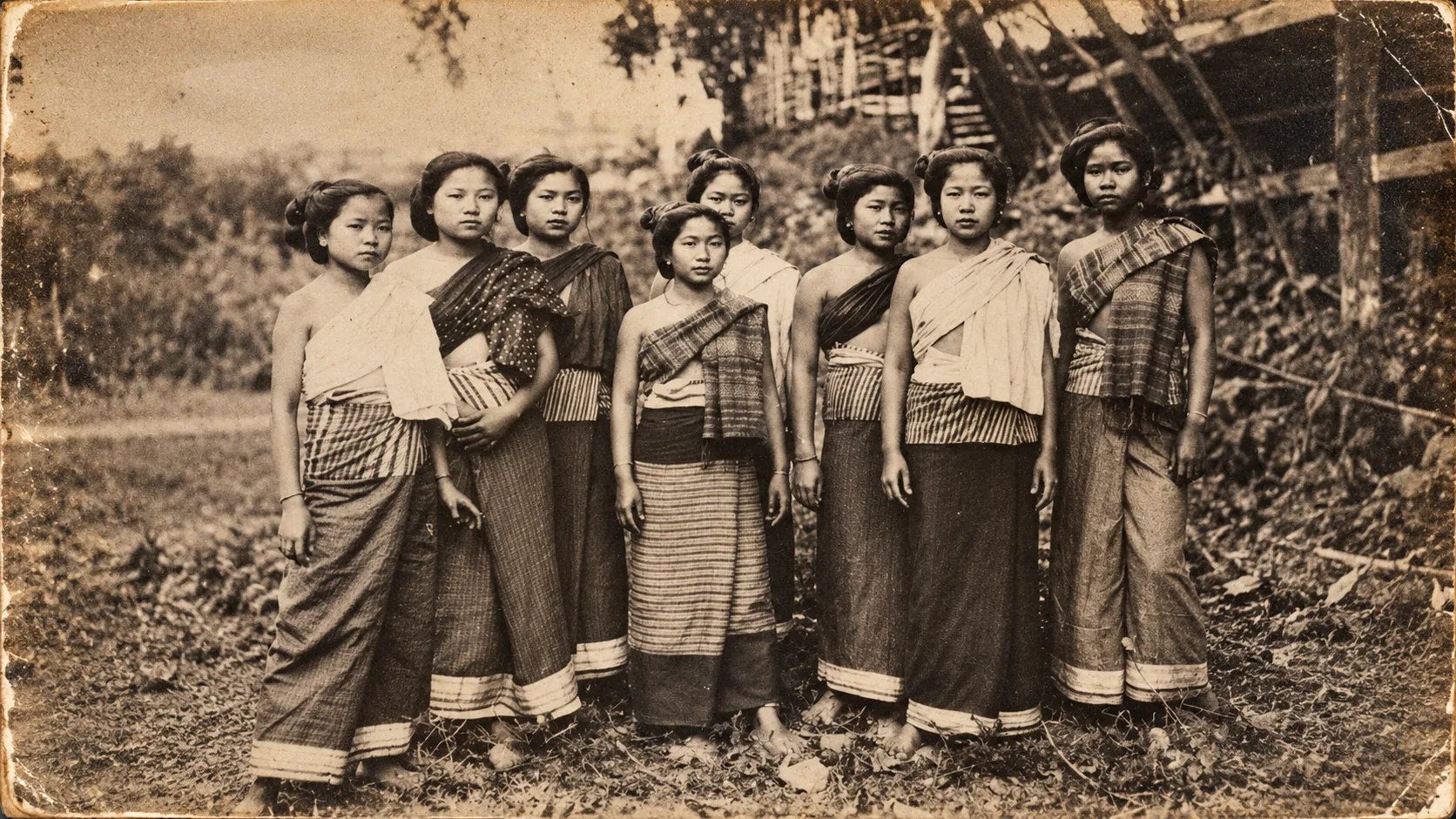
Founded in 1296 by King Mangrai as the capital of the independent Kingdom of Lanna, Chiang Mai carries over 700 years of rich historical identity. Its iconic layout — ancient brick fortifications and a defensive moat — was shaped by sacred astrological principles. Through eras of Burmese rule and eventual integration into the Siamese kingdom, Lanna culture remains fiercely alive today in the Kham Mueang dialect, distinctive temple architecture, scripts, arts, and festivals.
03
Top Attractions
Landmarks and check-in spots that define Chiang Mai.
An eco-village in the mist — a sustainable mountain community known for slow living, drip coffee, forest trails, and homestays.
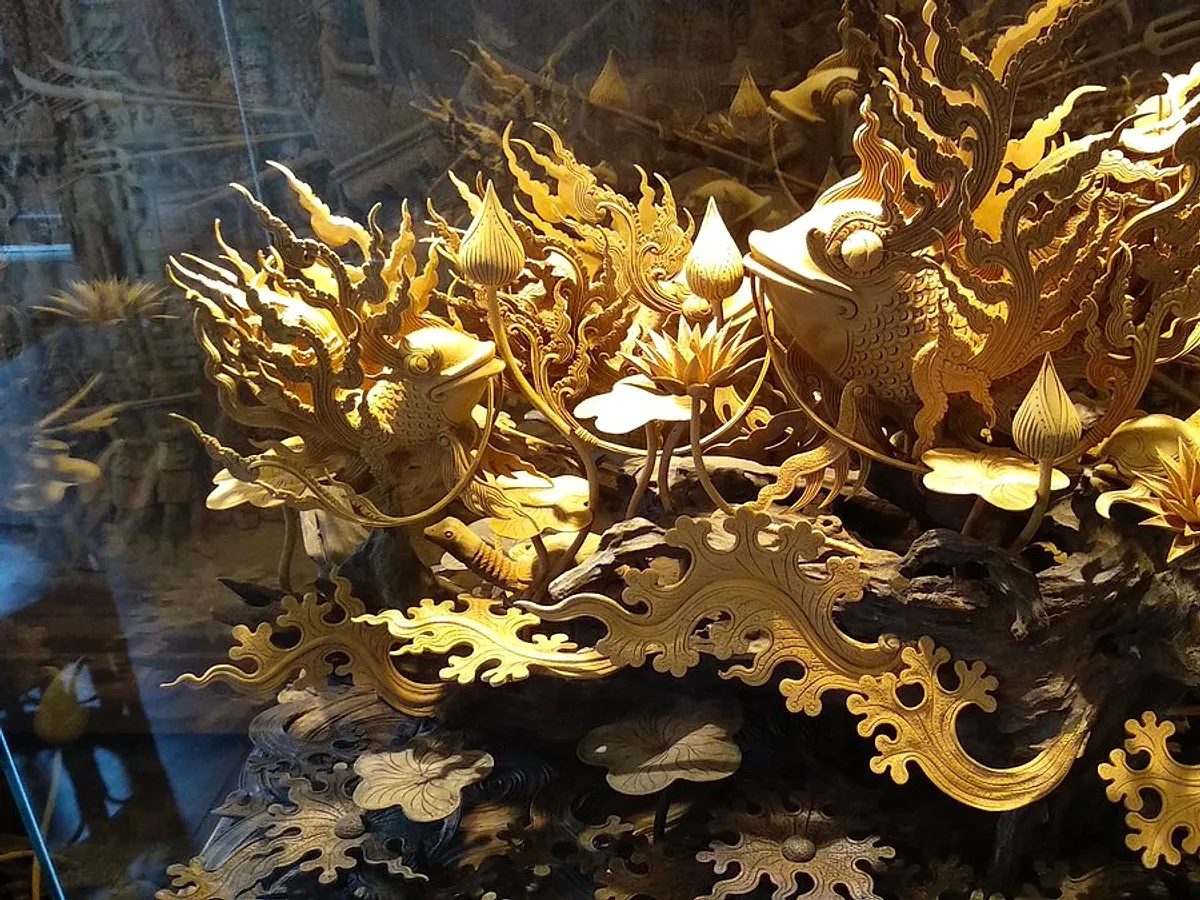
A quirky Hang Dong attraction filled with antiques and curios — thousands of objects in a folk-museum maze popular with day-trippers.

Hang Dong’s sprawling craft village — woodcarving, furniture, ceramics, and souvenir lanes popular with shoppers and designers.

A peaceful highland community on the road toward Mae Hong Son — pine forests, cool air, and slow village life west of Chiang Mai.
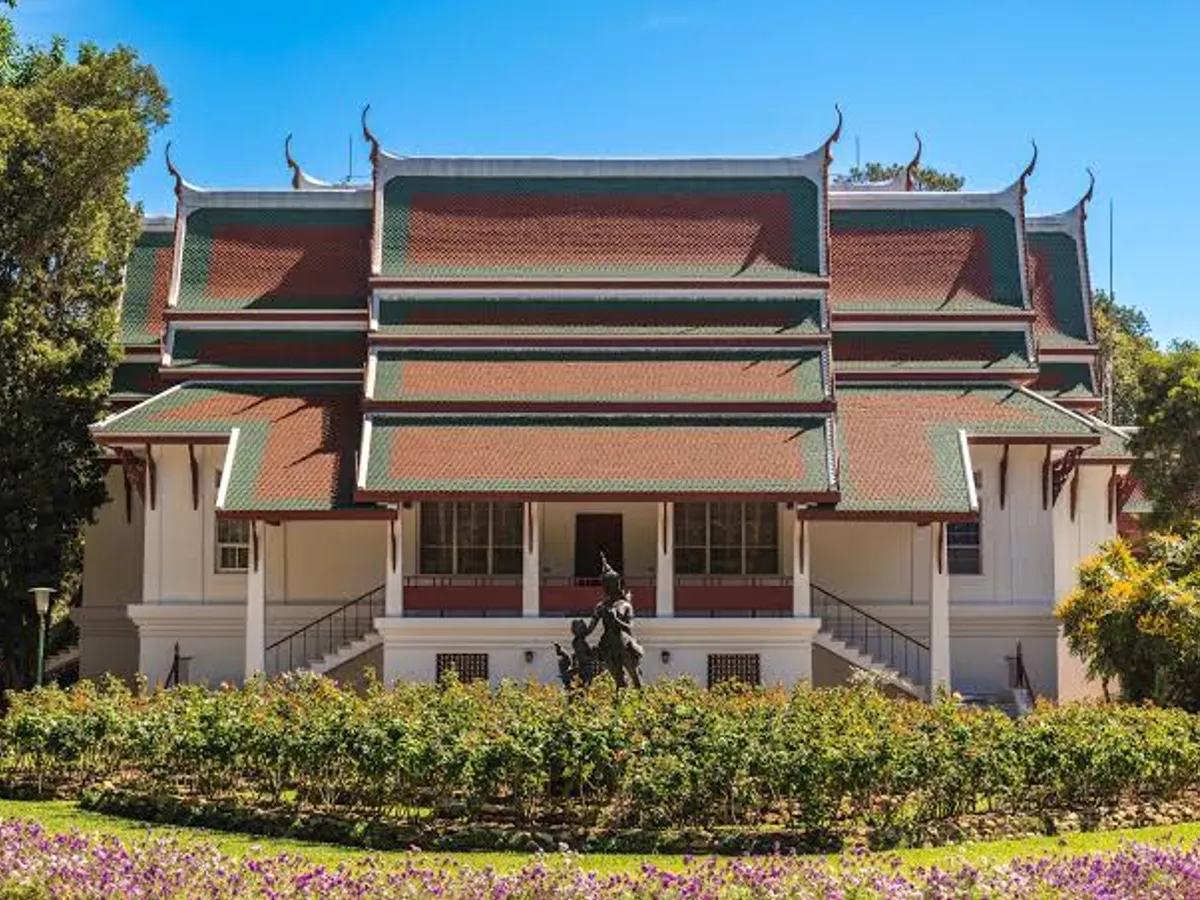
The royal winter residence on Doi Suthep — manicured gardens and mountain air open to visitors on selected days in Mueang District.

San Kamphaeng’s handicraft village famous for hand-painted paper umbrellas, fans, and traditional northern craft workshops.

Nature's playground — limestone deposits create high-friction cascades you can walk and climb straight up against the flow.

A sacred limestone cave network beneath one of Thailand’s most striking peaks — cool chambers, temples, and hiking around Chiang Dao.
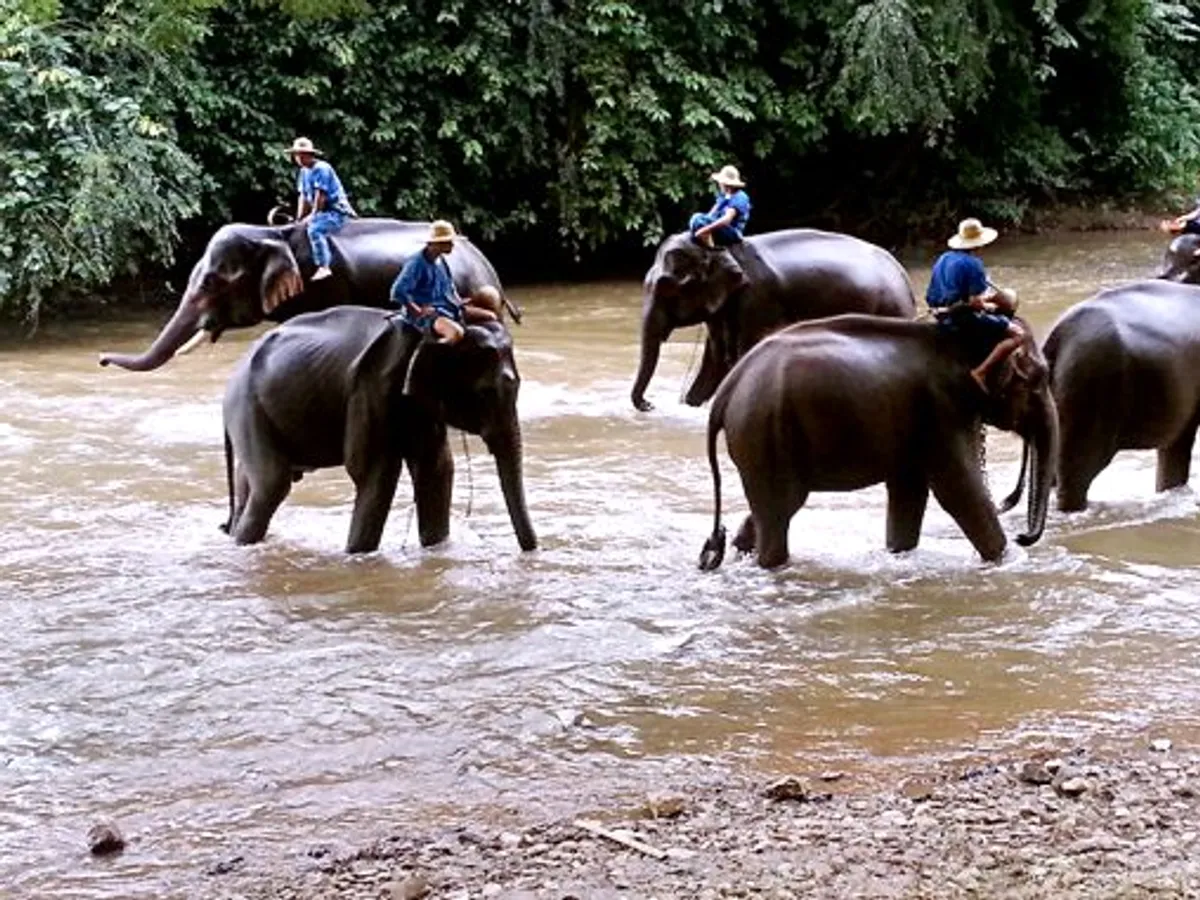
An elephant camp in Chiang Dao District — riverside mountain setting and traditional mahout culture beneath Doi Luang.

A hillside zoo and aquarium in Mueang District — pandas, open-air enclosures, and an underwater tunnel beneath mountain forest.
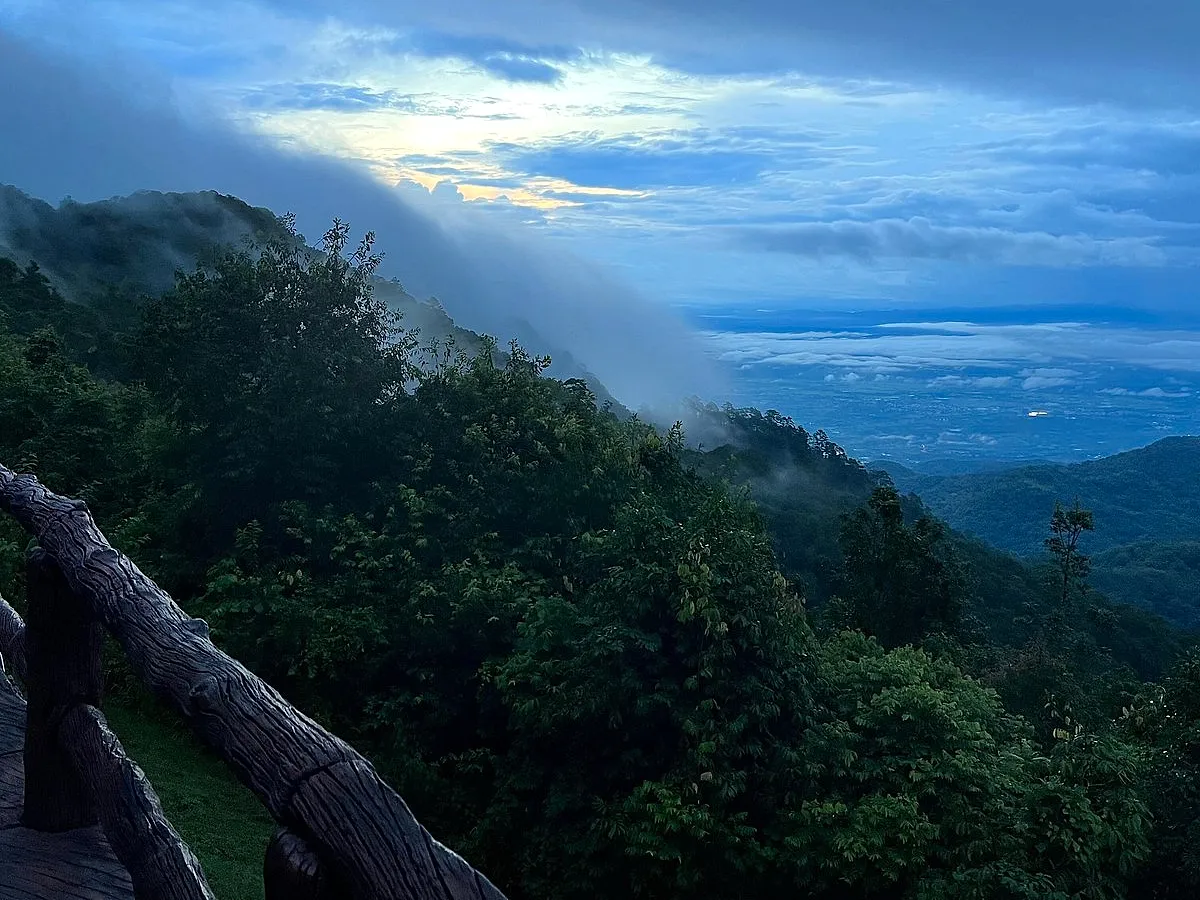
A cool highland plateau in Fang District — Royal Project gardens, mountain views, and berry farms near the Myanmar border.

The roof of Thailand — misty cloud forests, royal twin pagodas, and cascading falls like Wachirathan around the country's highest peak in Chom Thong District.
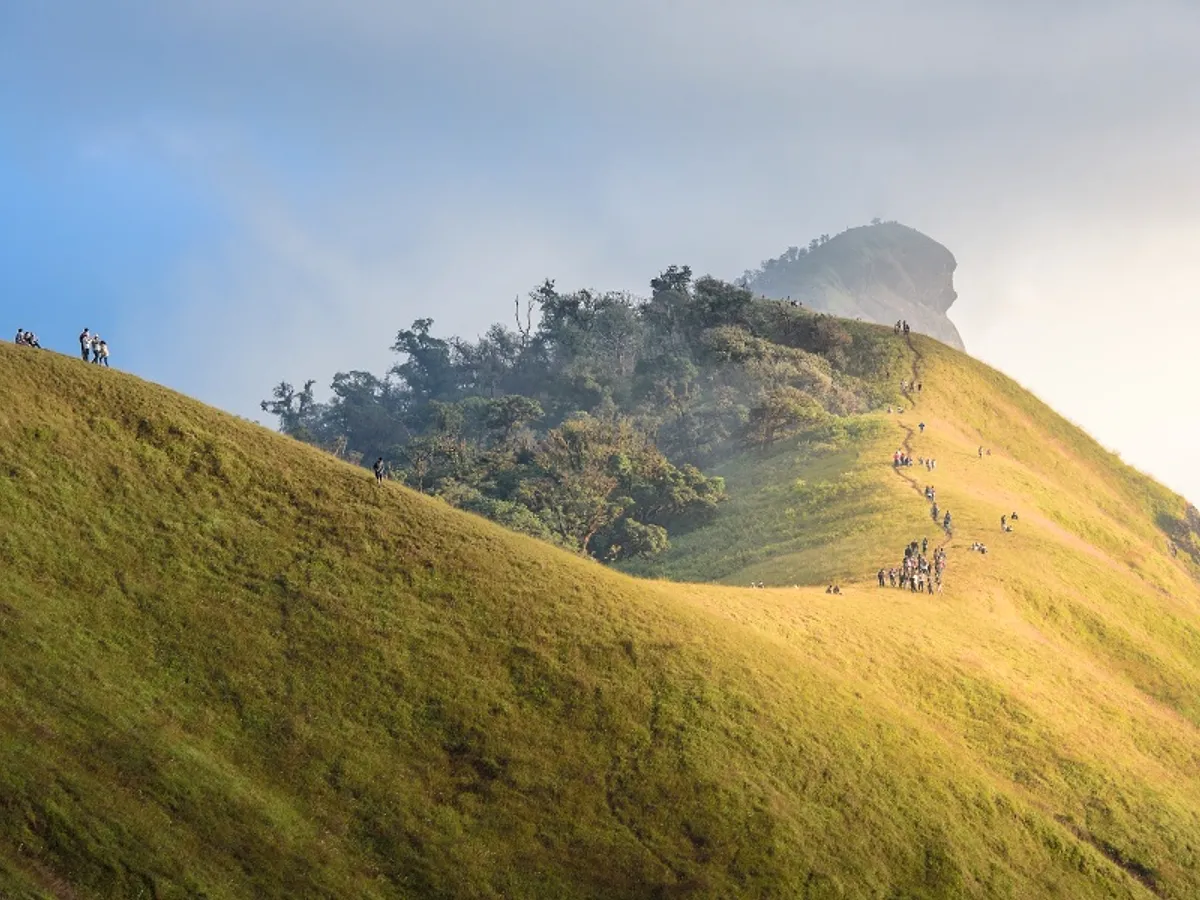
A remote high peak in Omkoi District — rugged ridges, Karen villages, and some of Chiang Mai’s wildest mountain scenery.
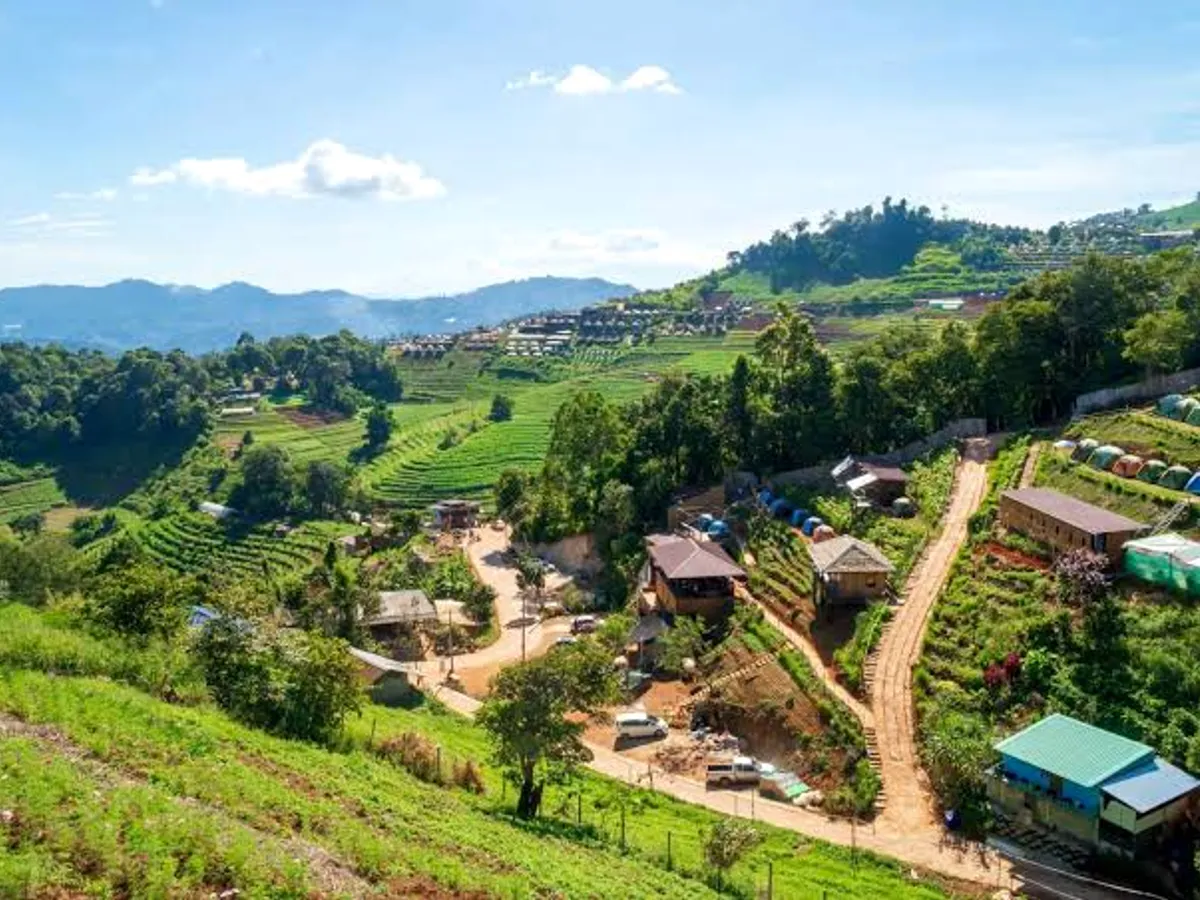
A popular Mae Rim viewpoint — flower gardens, cool air, cafés, and sweeping valley views especially lovely at sunset.
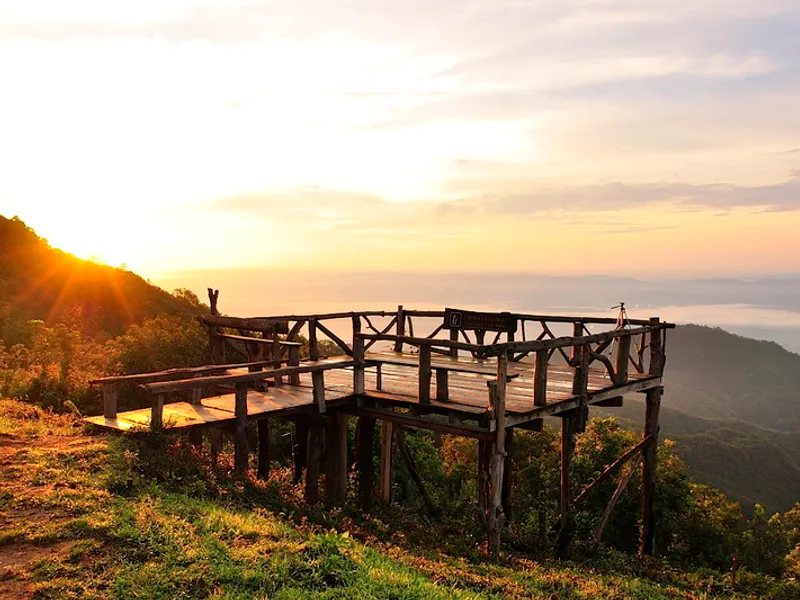
Thailand’s second-highest peak near Fang — misty summits, rare birds, and chilly mornings popular with hikers and nature lovers.
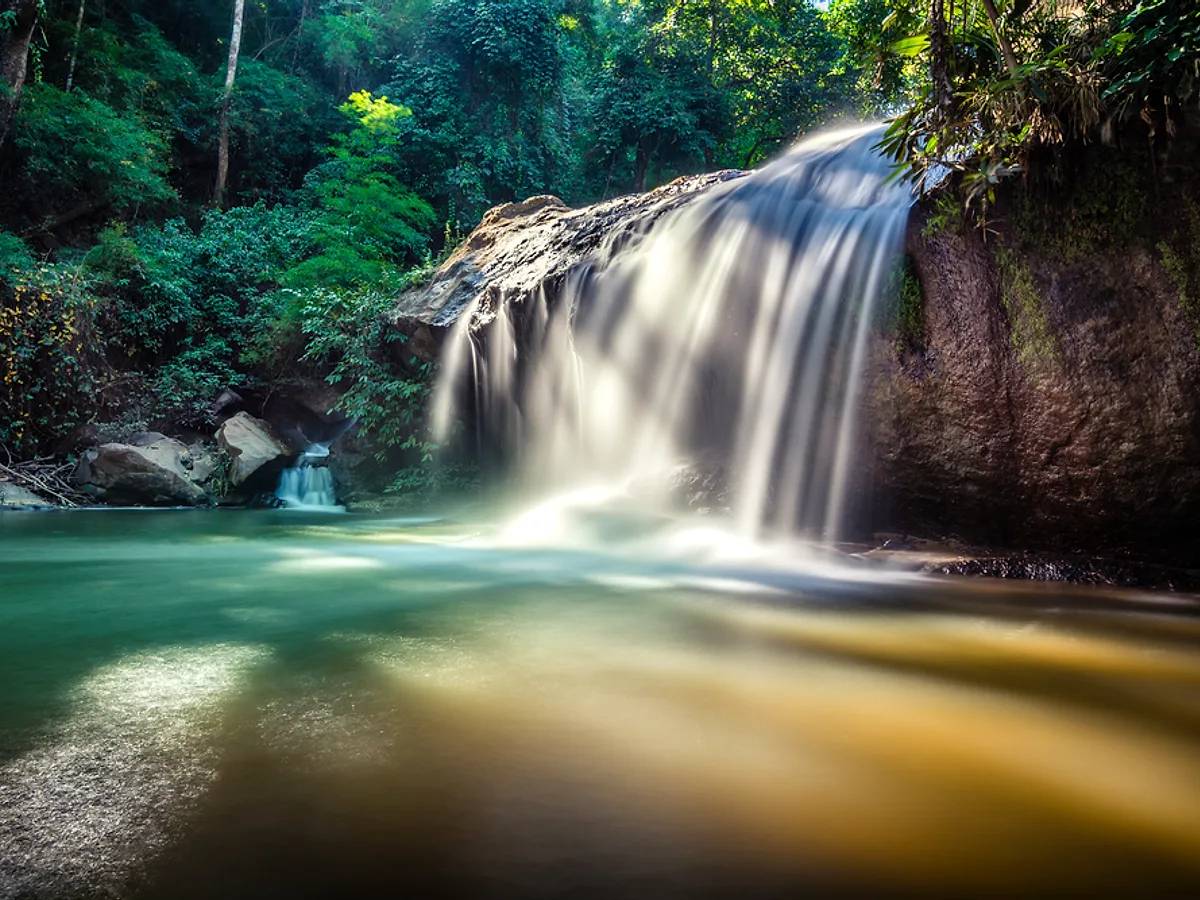
Forest trails and highland viewpoints behind the city — home to Khun Chang Khian and cool misty ridges above Mueang Chiang Mai.

Ethical havens — reputable conservation centres offering non-riding encounters where visitors observe, feed, and learn about rescued Asian elephants.

Natural hot springs in Fang District — steaming pools set among northern hills, ideal after a highland drive.

A Royal Project station in the northern hills — cool-climate farms, flower gardens, and peaceful highland landscapes near Fang.

Famous sea-of-mist viewpoints in Mae Taeng District — sunrise over rolling ridges and quiet forest roads into the mountains.
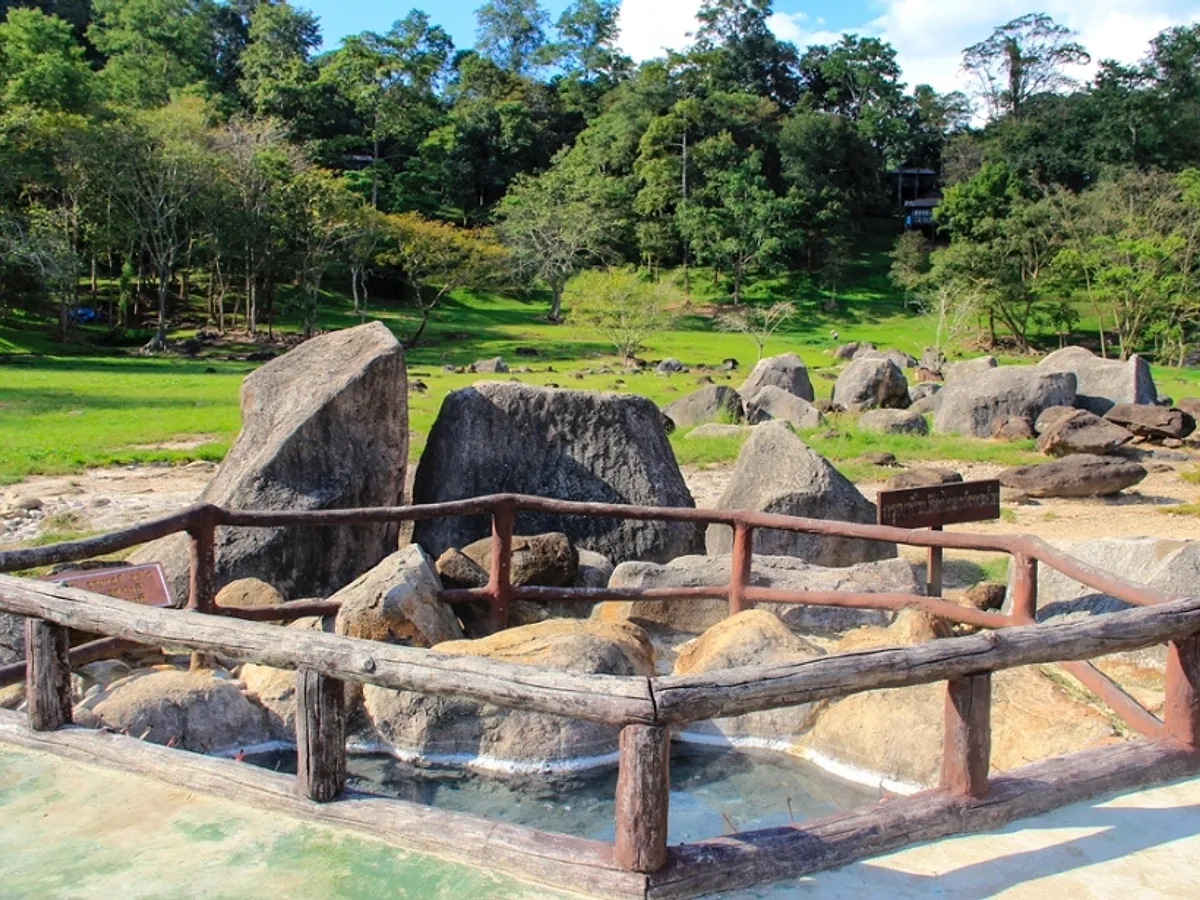
Highland forest and hot-spring country around Fang — mountain roads, nature trails, and cool-season scenery in the far north of the province.

A large reservoir east of Chiang Mai — lakeside viewpoints and a scenic drive through Doi Saket and neighbouring districts.

A scenic reservoir north of the city — boat trips, lakeside views, and weekend escapes around Mae Taeng District.

A tall cascade inside Doi Inthanon National Park — dramatic drops and forest mist on the drive toward the summit.
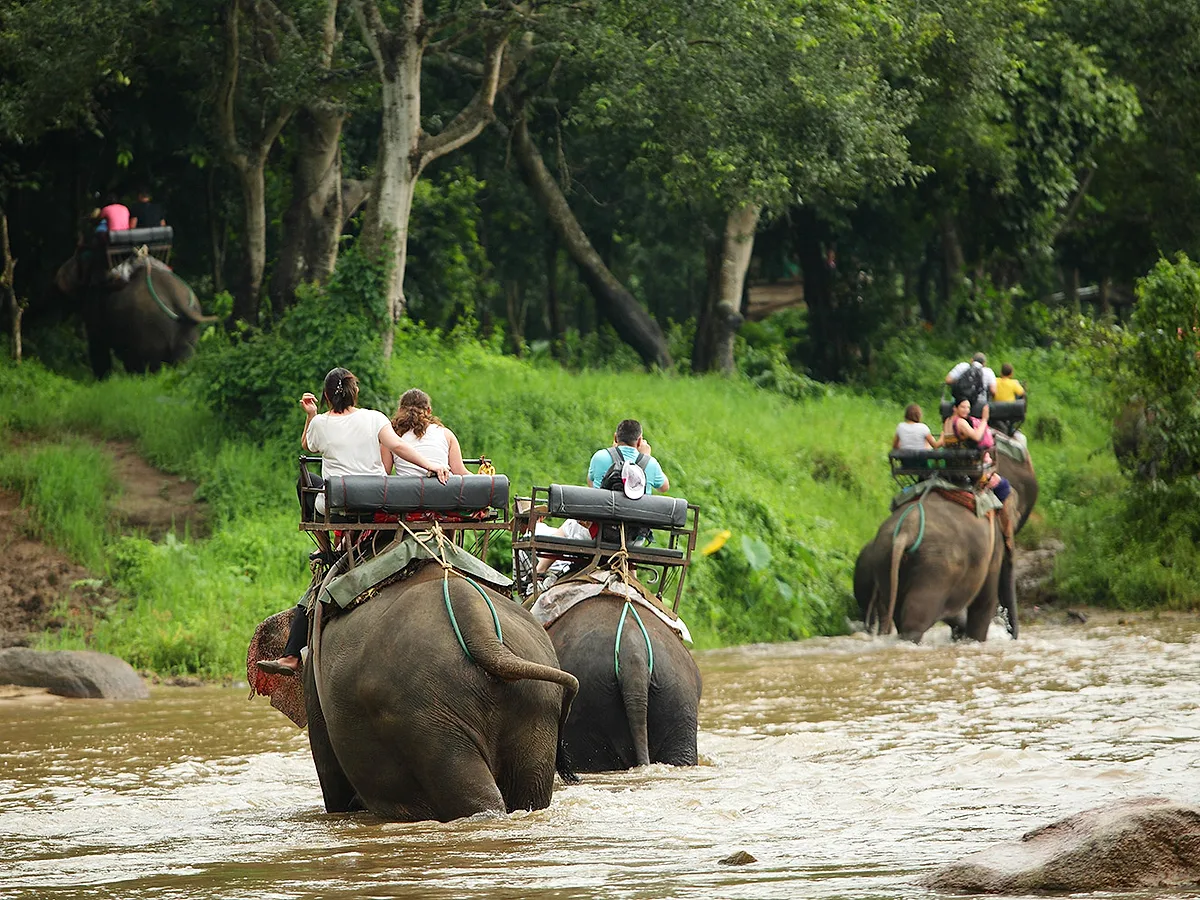
A long-running Mae Taeng tourism stop for elephant encounters and riverside mountain scenery north of the city.

Dramatic canyon walls and riverside trails in Doi Lo District — Pha Chor’s eroded earth pillars look like a miniature Grand Canyon.

One of Doi Inthanon’s most photographed waterfalls — wide curtain falls, spray pools, and a classic highland day-trip stop.
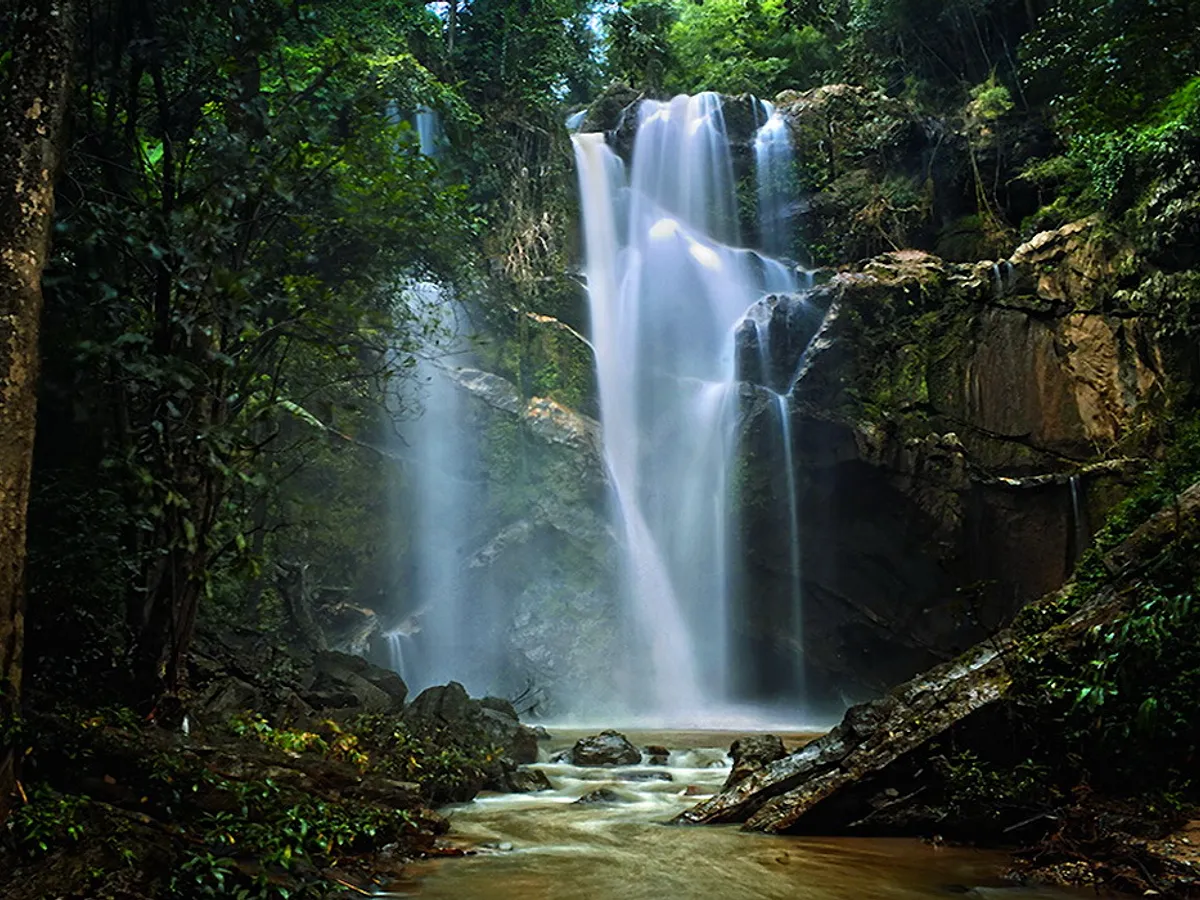
A popular cascade on the Chiang Mai–Pai road in Mae Taeng District — easy access, forest pools, and a classic stop en route to the mountains.
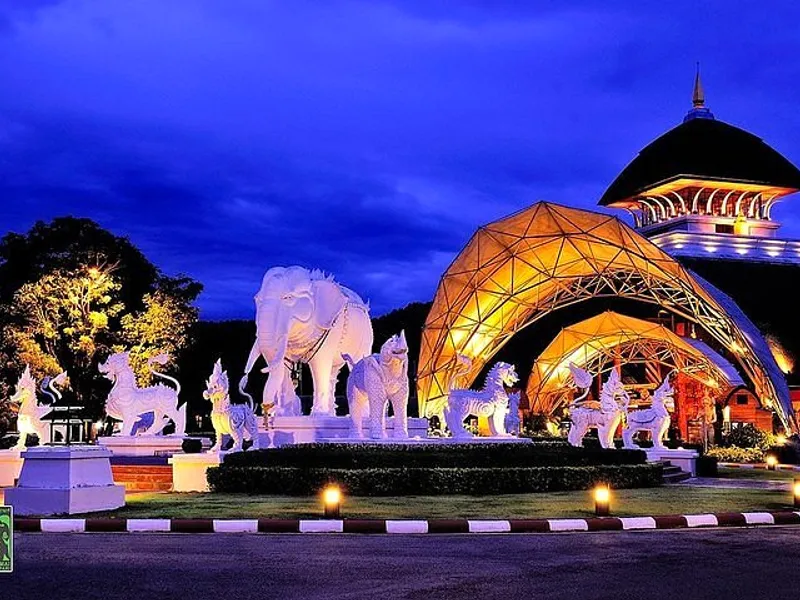
After-dark magic — vibrant night bazaars and live street jazz around the Old City, plus a twilight wildlife adventure at Chiang Mai Night Safari.
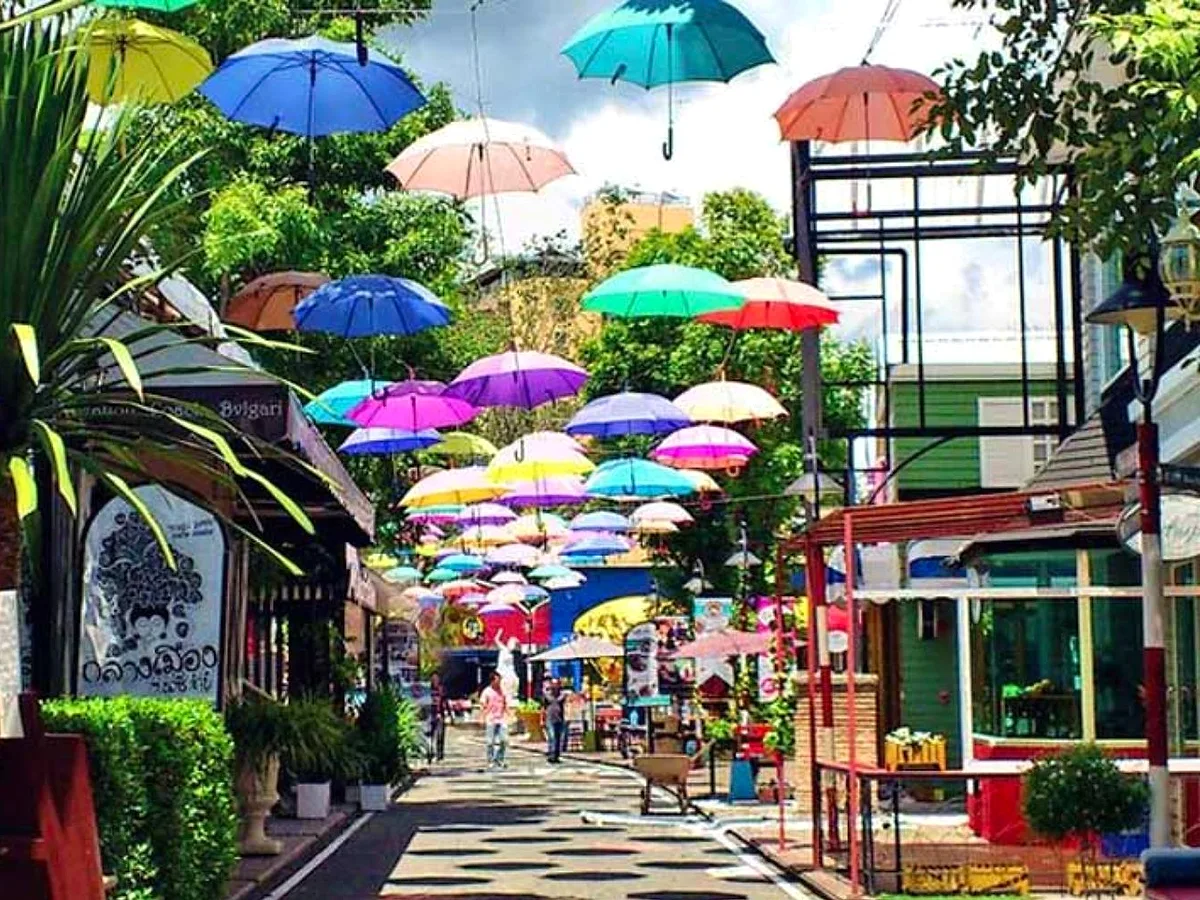
The hipster hub — chic boutiques, art galleries, concept stores, and world-class specialty coffee west of the Old City moat.

A gorge and river park southwest of Chiang Mai — limestone cliffs, clear water, and short walks close to the city.
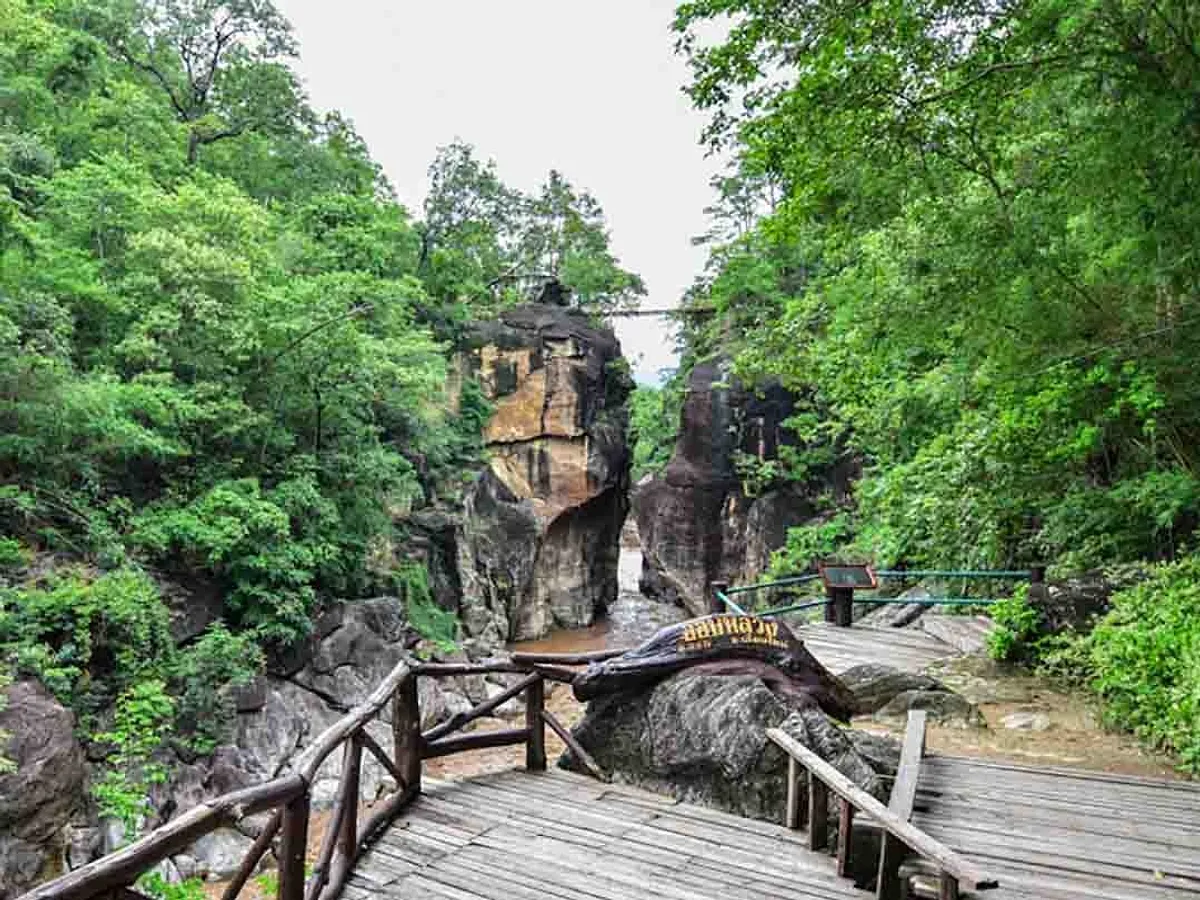
A striking river gorge near Hot District — cliff walls, boulder-strewn streams, and one of Chiang Mai’s most dramatic canyon landscapes.
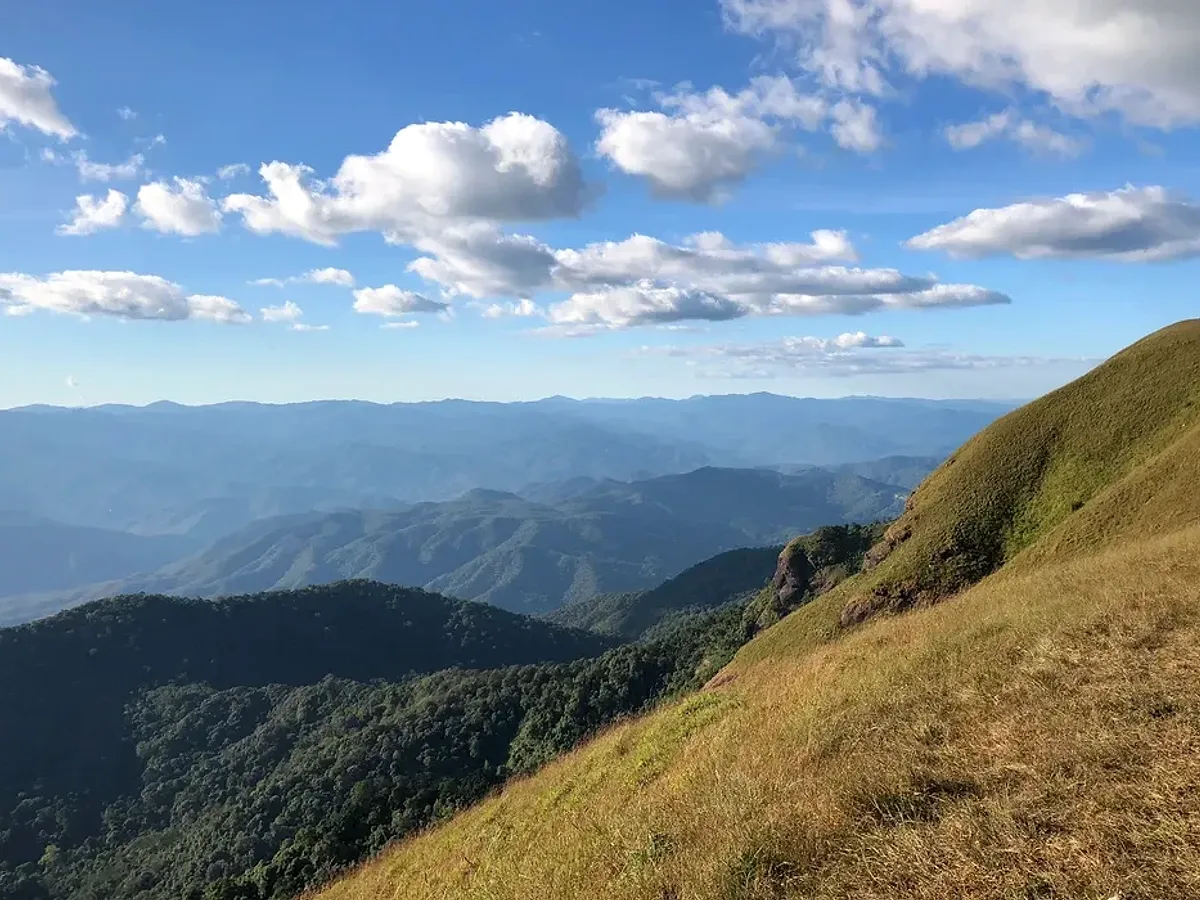
A vast protected forest in Omkoi District — remote ridges, wildlife habitat, and some of Chiang Mai’s wildest highland nature.

Natural hot springs at Pa Pae in Mae Taeng District — steaming pools surrounded by quiet northern countryside.
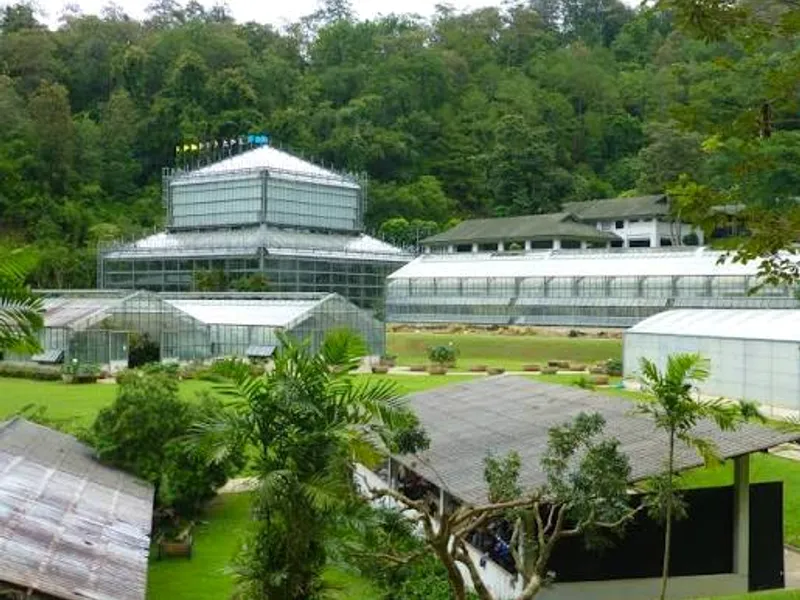
Thailand’s first botanical garden in Mae Rim — glasshouses, rainforest walks, and carefully curated plant collections in the foothills.

A botanical paradise — vast landscaped grounds with orchid pavilions and traditional Thai architecture set against mountain backdrops.
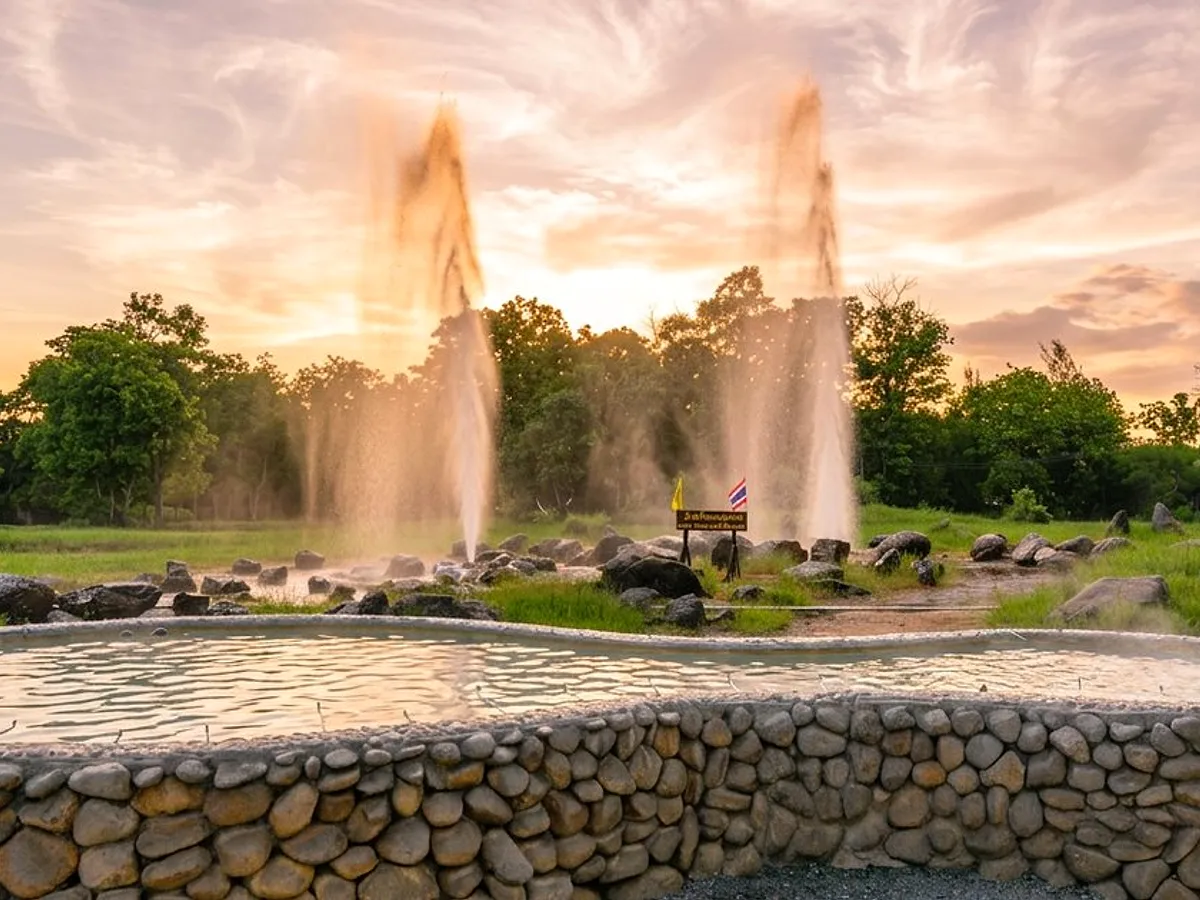
Mineral pools and steaming vents in Mae On District — a classic Chiang Mai day trip for soaking and riverside picnics.

A royal residence museum in Mae Rim — teak architecture, garden grounds, and a glimpse of northern palace history.

Chiang Mai’s iconic weekend walking streets — Sunday night markets along Tha Phae and Saturday crafts along Wualai in Mueang District.

The historic pulse of Chiang Mai — the famous red-brick gate, weekend walking streets, cultural gatherings, and flocks of friendly pigeons.

A peaceful, shaded jungle path leading to an enchanting moss-covered forest temple on the way up toward Doi Suthep.

The local heartbeat by the Ping River — northern snacks, textiles, fresh flowers, and everyday treasures across a bustling multi-level market.

Ancient majesty in the heart of the Old Town — a massive 14th-century pagoda, partly ruined, radiating historical grandeur and spiritual weight.

A local Hang Dong temple stop — northern-style architecture and a quieter cultural pause south of Chiang Mai.
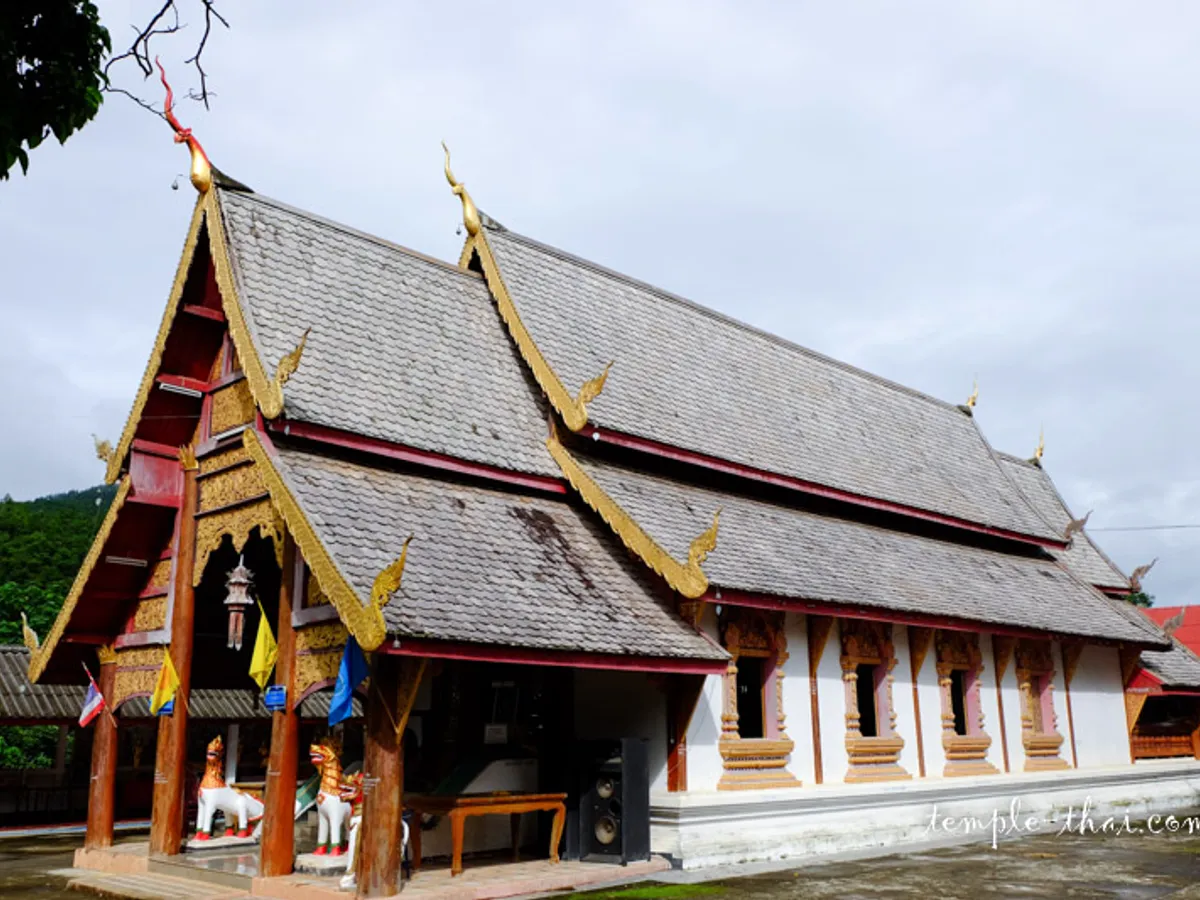
A riverside temple near Hot District — a peaceful Lanna stop along routes toward the southwest of the province.
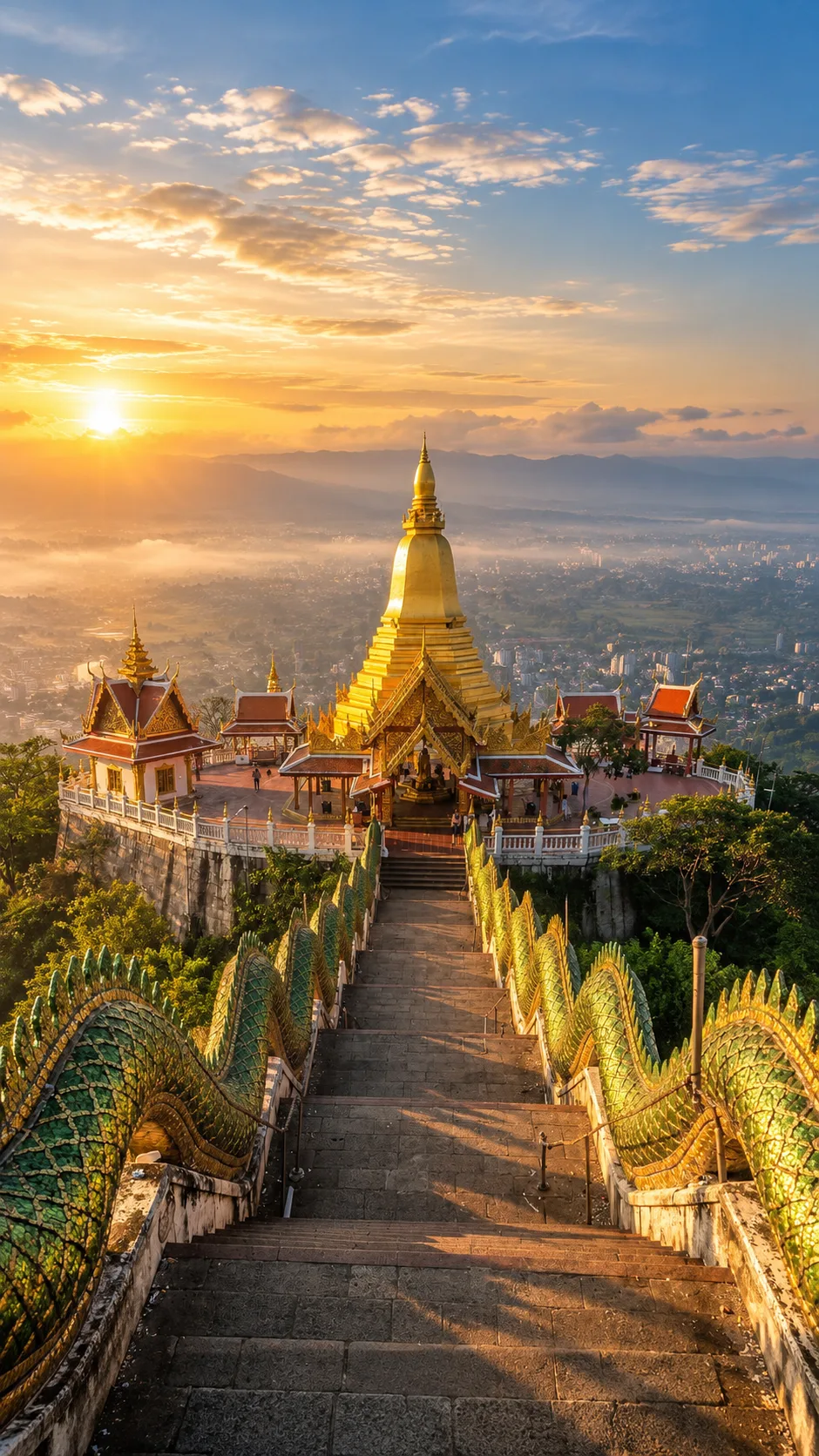
The crown jewel — a sacred mountaintop temple about 1,073 metres above sea level, with a gleaming gold chedi and panoramic views over Chiang Mai.
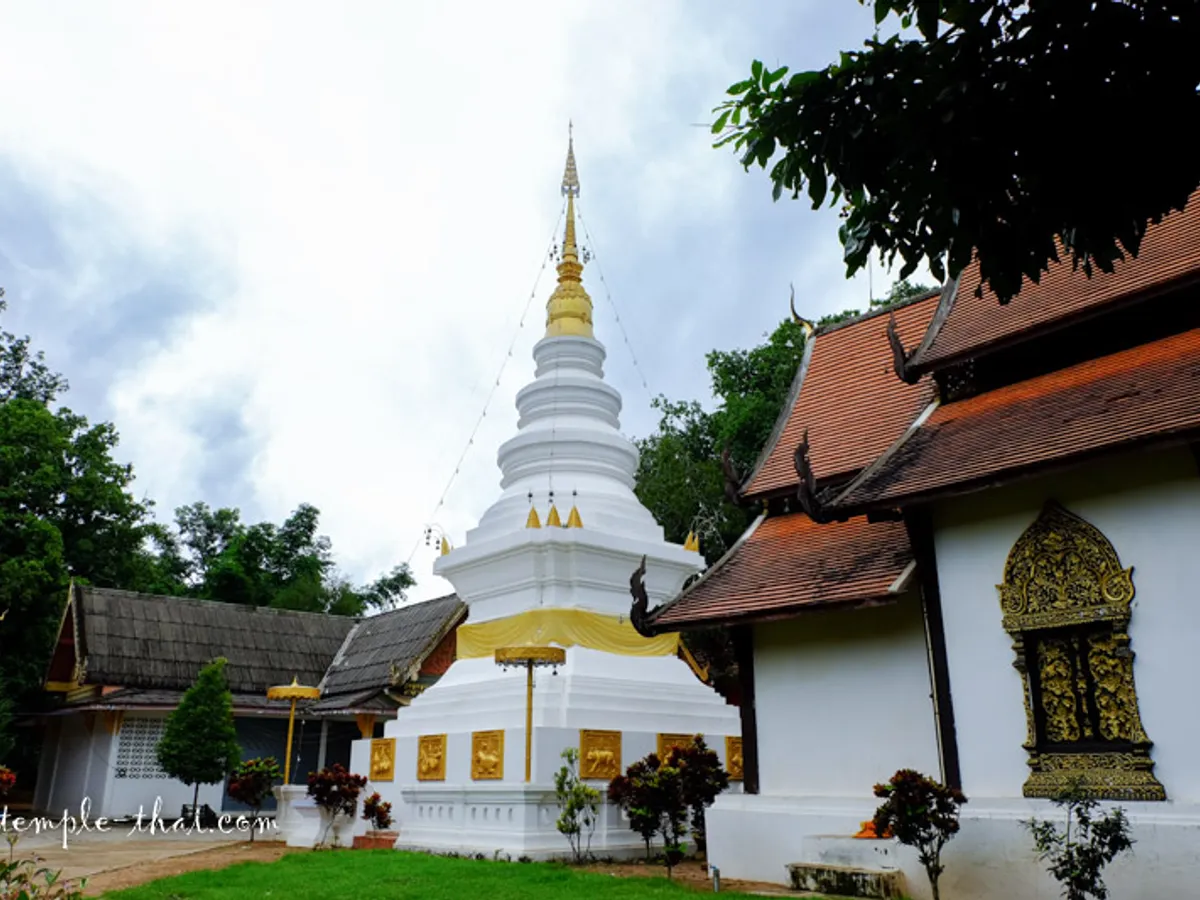
A historic temple in the Mae Chaem area — local faith, northern craftsmanship, and a quieter cultural corner of Chiang Mai.

A local temple landmark in the southern districts — northern architecture and community life away from the tourist core.

A beautiful wooden Lanna temple in Hang Dong District — intricate carvings and a serene courtyard away from the Old City crowds.

A forest temple famous for its ancient tunnels — quiet meditation paths and Lanna atmosphere on the western edge of the city.
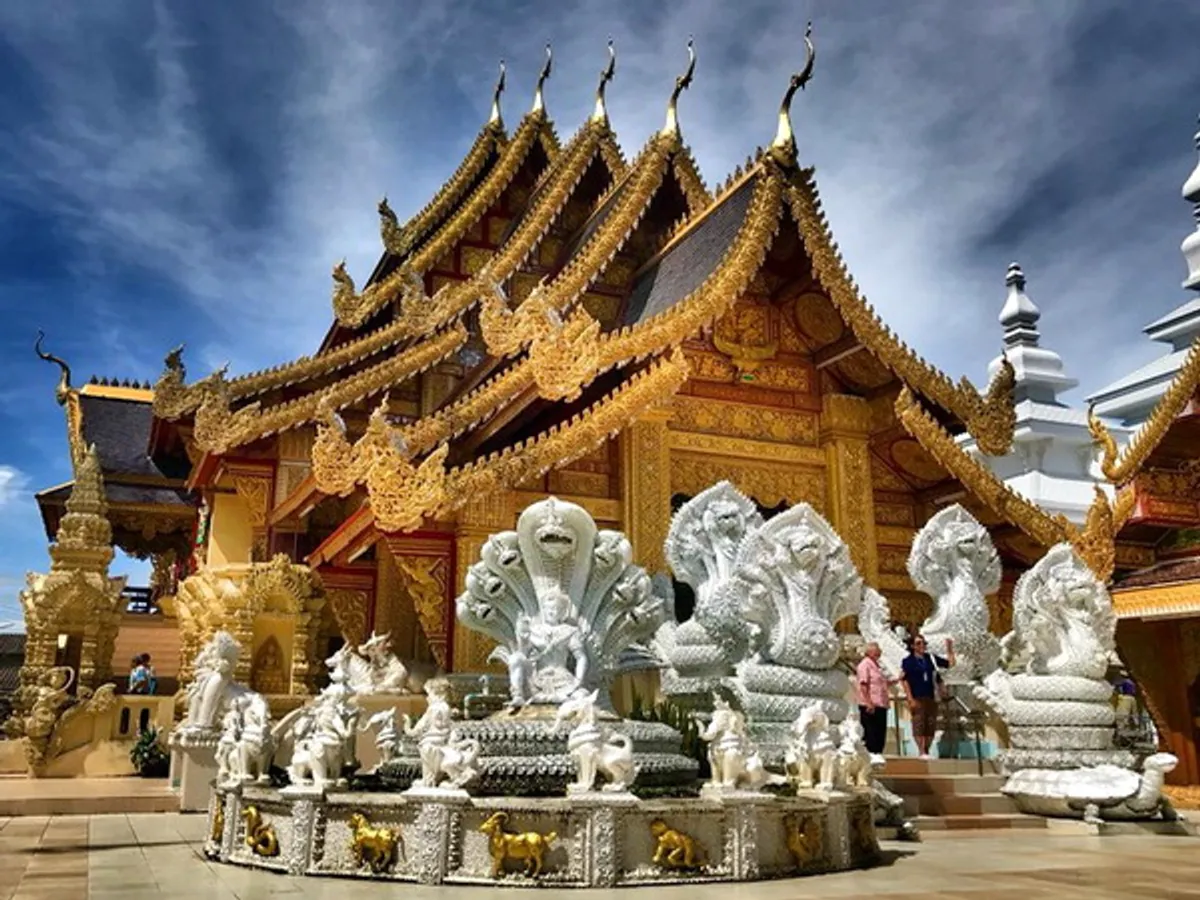
A celebrated Mae Chaem temple known for fine woodwork and festival traditions — one of the district’s cultural landmarks.

An ancient Lanna city site in Saraphi District — brick temples and ruins that predate modern Chiang Mai along the Ping River.
After Dark
After the landmarks, Chiang Mai comes alive after dark — daily night bazaars for souvenirs and street food, plus walking streets that open only on Saturday or Sunday.
A compact food market, not a souvenir strip. Stalls line Manee Nopparat Road beside the Old City’s north gate — famous for khao kha mu, grilled chicken, and suki at plastic tables.
Shopping is secondary here. Come hungry, bring cash, and sit with locals across the moat from Chang Phueak Gate.
Location
The city’s classic evening shopping strip east of the Old City moat, packed along Chang Khlan Road with outdoor stalls, indoor arcades, beer gardens, and live music.
Come for northern crafts, clothes, jewellery, and souvenirs; stay for street-food lanes that make this the easiest night out if your dates miss Saturday or Sunday. Grab or a red songthaew to Chang Khlan Road drops you in the middle of it.
Location
Locals call it Kad Na Mor — the market in front of the university. Budget fashion, student energy, and cheap street snacks sit opposite CMU’s main gate on Huay Kaew Road, a short hop from Nimman and Maya.
Come for an everyday Chiang Mai night-out rather than souvenir hunting. Saturday is busiest; every evening is good for a quick, inexpensive dinner.
Location
The market behind the university — moo kratha, shabu, stir-fries, and fruit drinks along Suthep Road. Casual, crowded, and student-priced, with far fewer tourists than the Old City nights.
Pair it with Kad Na Mor if you want both sides of campus after dark. Grab to “หลังมอ” or Ban Mai Lang Mor; scooters can park on nearby sois.
Location
Chiang Mai’s most famous walking street. Every Sunday, Ratchadamnoen Road through the Old City closes to traffic from Tha Phae Gate west toward Wat Phra Singh — roughly 1 km of crafts, fashion, temple-courtyard food courts, and street music.
Set Grab or a songthaew to Tha Phae Gate; the market street itself is pedestrian-only after late afternoon. Arrive near 17:00 if you prefer space to browse before the peak 19:00–21:00 crush.
Location
Saturday’s walking street along the old silversmith neighbourhood. Handmade silver, indigo textiles, ceramics, and northern snacks fill about a kilometre of Wua Lai Road once traffic is closed.
Quieter and more artisan than the daily bazaar — start near Chiang Mai Gate and wander south. Bring cash; most stalls do not take cards.
Location
Where to Eat
After dark markets, pin these kitchens — northern classics, late-night bowls, riverside views, and Japanese or Korean counters around town. Listed A to Z; tap Location to open the map.
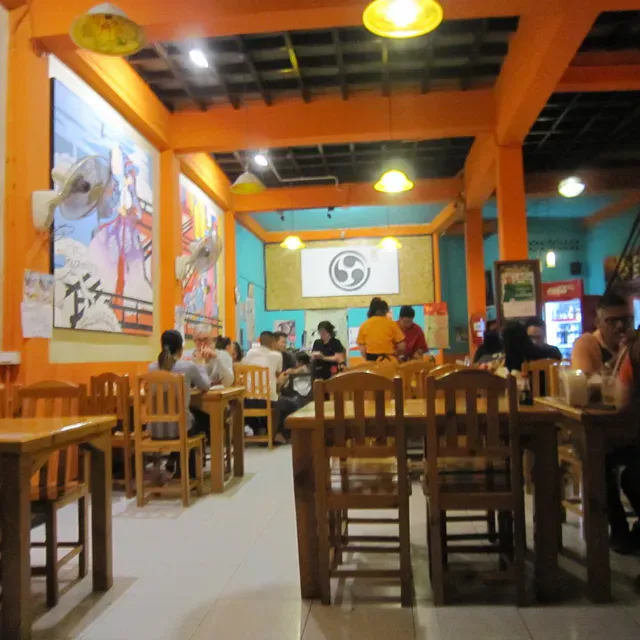
A popular Japanese buffet near the Old City’s north side — unlimited time, sashimi that locals praise, and a price that encourages a long, hungry sit-down.
Come when you want volume without a special-occasion bill. Closed Sundays.

A long-running northern kitchen with a leafy courtyard and live music — Lanna, Thai, and international songs if you ask.
Order pork larb, aep pueng, fish larb, and soy-fried shiitake. Easy for families or a slow group dinner.

Korean-owned, with banchan that taste like home cooking rather than a tourist grill. Premium pork and beef, well marinated, at a wallet-friendly à la carte price — not a buffet, and better for it.
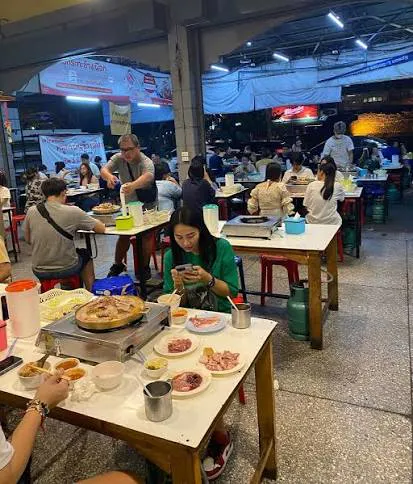
A Chiang Mai mu kratha institution beside Chang Phueak Gate — buffet pork, chicken, seafood, sides, and dessert at an easy price.
Go hungry. This is a fill-up night, not a tasting menu.

The legendary dry suki: wok-seared glass noodles, a smoky pan, and a queue that starts before the shutters lift.
Book ahead or arrive early. A Chiang Mai night-food rite of passage at 100–200 baht a head.
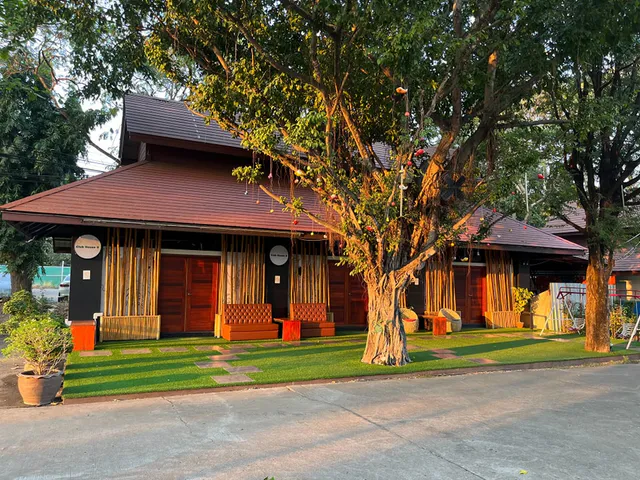
Northern city, southern catch — Mae Klong seafood cooked hot and rich, with garden seating and room to park.
A solid pick when you want crab, prawns, and a long table rather than a northern curry night.

A tiny, booked-out Thai-fusion room behind CMU — theatrical plating, a handful of tables, two seatings a day.
Reserve. Walk-ins rarely get a chair.

Northern Thai cooking inside a former royal residence on Wua Lai — teak halls, careful Lanna recipes, local produce.
One of the most atmospheric in-town stops for hang lay, sai ua, and nam prik without leaving the old silversmith street.
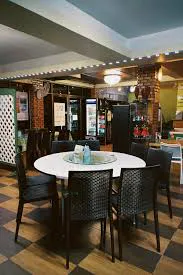
A well-known Korean kitchen in Pa Daet, recipes tuned for Thai palates without losing the jjangmyeon, yangnyeom chicken, and bibimbap core.
Casual, filling, and easy for a mixed table.

A breakfast favourite: pan eggs, rice porridge, Vietnamese-style kuay jab, and the four-colour sangkhaya toast set that fills every camera roll.
Go early, eat fast, leave happy. Closed Tuesdays.
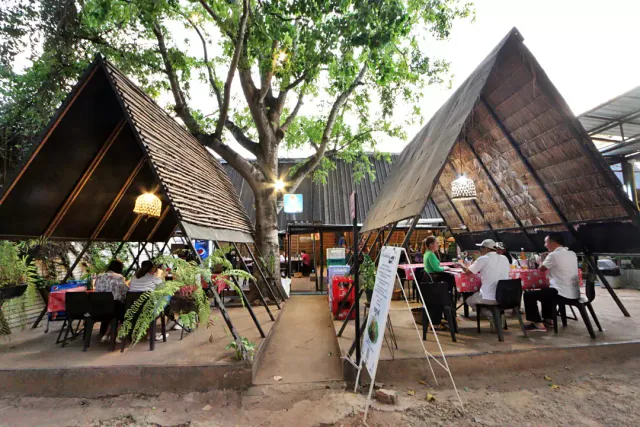
A Bib Gourmand northern kitchen that gently modernises Lanna flavours without losing them. Simple room, parking, and a tourist-and-local mix.
Start with the northern appetiser plate, shiitake curry, and crab ong.

Another Bib Gourmand northern house — old-recipe cooking that locals actually eat, with a long menu worth a second visit.
Check the split hours before you go; Wednesday is dinner-only.
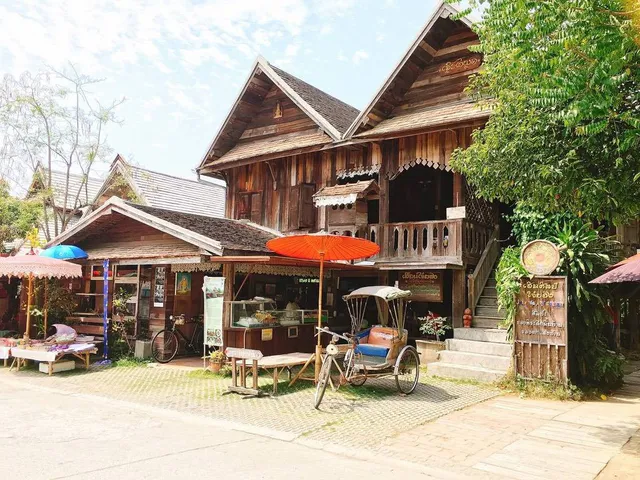
A San Pa Tong favourite for hang lay, sai ua, and nam prik num in a wooden northern-house setting.
Daytime only. Worth the drive south of town if you want village Lanna rather than Nimman polish.

Night-friendly kanom jeen — four curries including nam ngiao — plus chicken-drumstick khao soi, at 30–40 baht a bowl.
Open until nearly midnight. Closed Sundays.
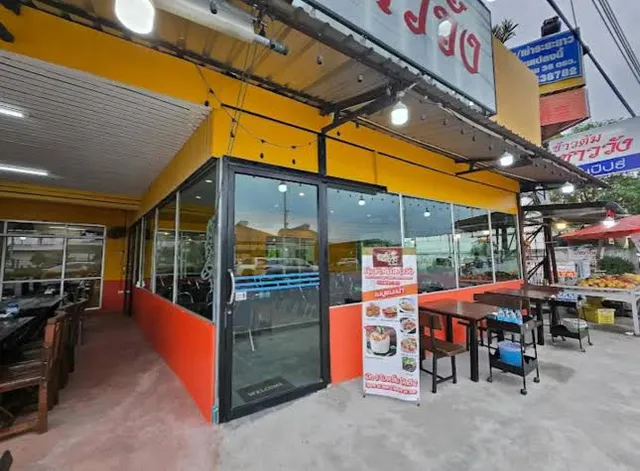
A roadside late-night rice-soup kitchen: wok-fresh plates, fried palo intestines, clams, and fiery morning glory.
Cheap, filling, and built for a hungry Hang Dong evening.

The fusion khao soi that later opened in Bangkok — richer, less traditional, and queued from opening.
Arrive at 11:00. Charoenrat is the original; treat it as a lunch stop, not a late dinner.

A Michelin-recognised garden restaurant in Hang Dong — Thai, northern, and dessert plates under a jungle canopy.
Two services a day. Go for the setting as much as the food; 100–250 baht a head is gentle for the space.
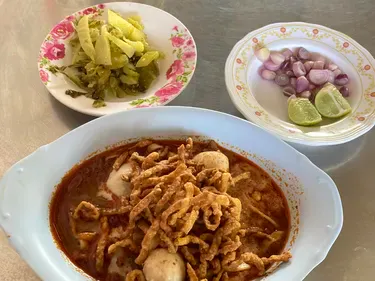
A recent Michelin favourite: coconut-rich khao soi that is fragrant rather than punishingly spicy, with beef, pork, chicken, fish, or sai ua.
Lunch only on Chotana Road. One of 2026’s most talked-about bowls in town.

Unfussy northern cooking — rounded, not screamingly spicy — at a calm, leafy table for lunch or dinner.
Order sian da curry with ant eggs, crab ong, fried sai ua, and pork larb.

Michelin-mentioned northern cooking: crab ong, kaeng om, jin hum, hang lay, and grilled fish in a Lanna-styled room.
Closed on the 24th and 25th of every month — check before you drive to Pa Daet.

A late, fiery northern snack bar in Si Phum — small plates of larb, aep kung, jin som, and grilled beef for people who eat after dark.
Order many little dishes. Closed Sundays.

Korean BBQ in Mae Hia — pork, beef, and chicken you can keep ordering, with kimchi, pickled radish, doenjang soup, and greens already on the table.
A straightforward grill night south of town.
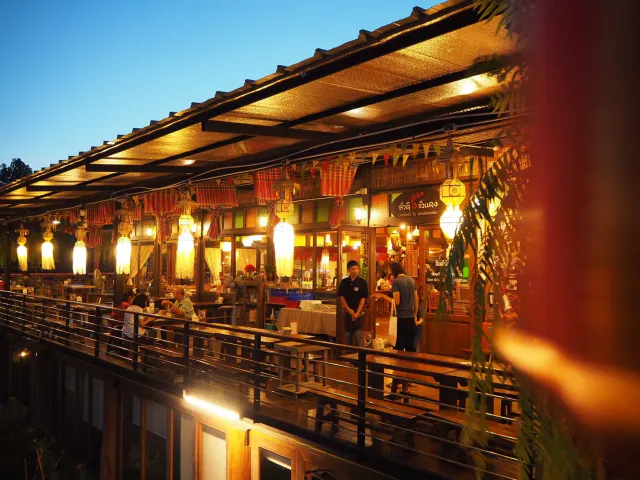
A Michelin-starred northern kitchen (five years running, including 2025) in a Lanna-styled room at V Community, San Sai.
Pin this if you want awarded local cooking without an Old City scrum. About 250–500 baht a head.
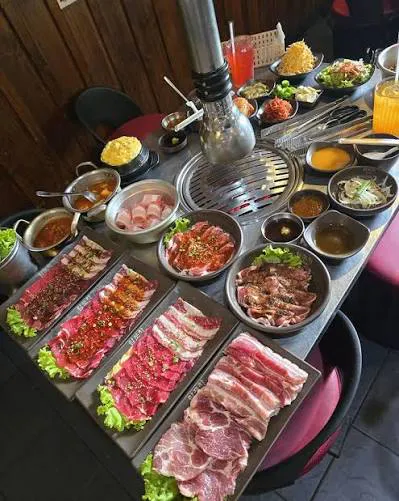
Korean BBQ buffet at Meechok Plaza — pork belly as the house hero, plus steamed egg, bibimbap, and tteokbokki, all unlimited.
Good value if your table came to grill, not to nibble.
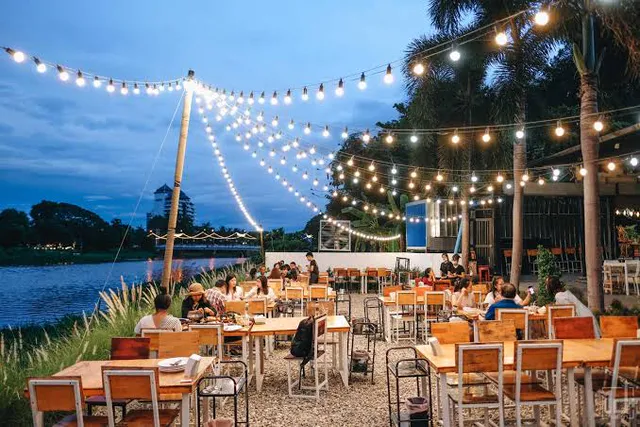
A seafood house that feels briefly southern: steamed egg crab, horse crab, and grilled giant river prawns with a sharp seafood nam jim.
Evening only on Wang Sing Kham. 200–500 baht a head.
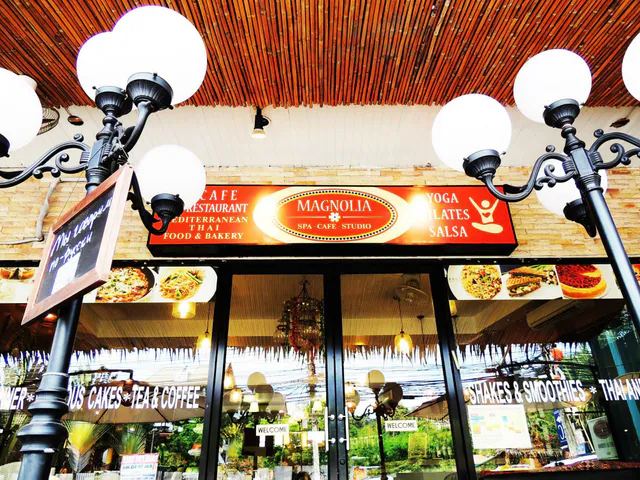
A Michelin Bib Gourmand room for precise Thai classics — hang lay is the dish people quote — in a quietly dressed, slightly glamorous dining room.
Dinner only; closed Sundays. Budget 300–500 baht.

Late-night mama noodles in a house chilli paste you cannot copy at home — cracked-egg, “royal” toppings, and clams with nam prik pao.
Open past midnight. 50–100 baht a bowl.

Two-time Michelin Guide pick in San Kamphaeng — herb rice salads, tilapia tom saep, and Andaman hor mok in a calm Lanna garden.
Daytime only, and gently healthy without tasting like a spa menu.
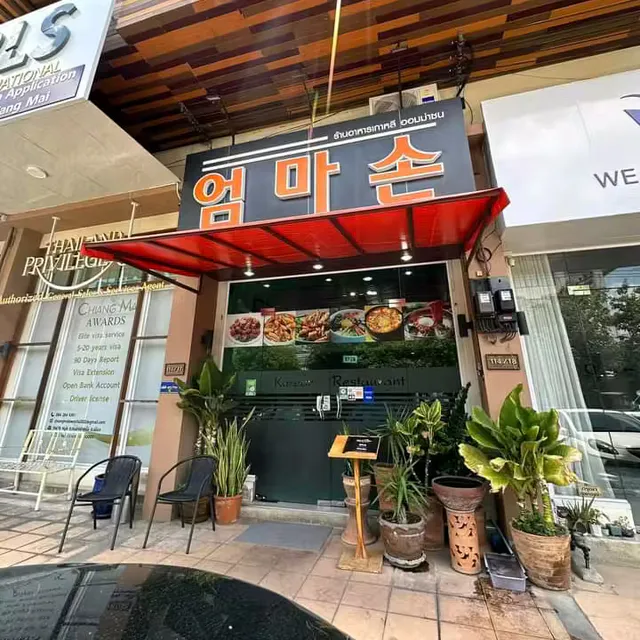
A Korean mother’s kitchen — she cooks everything — using ingredients brought in from Korea.
Closed Wednesdays. A change of pace in Nong Pa Khrang when you are tired of northern chilli dips.
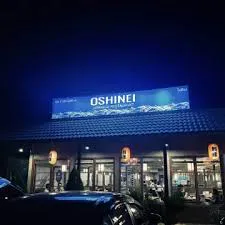
A 200-plus-item Japanese buffet in Mae Hia: sashimi, sushi, shabu, crispy silver-fish salad, and Thai-style salmon yum.
Built for big appetites. 500–1,000 baht a head.
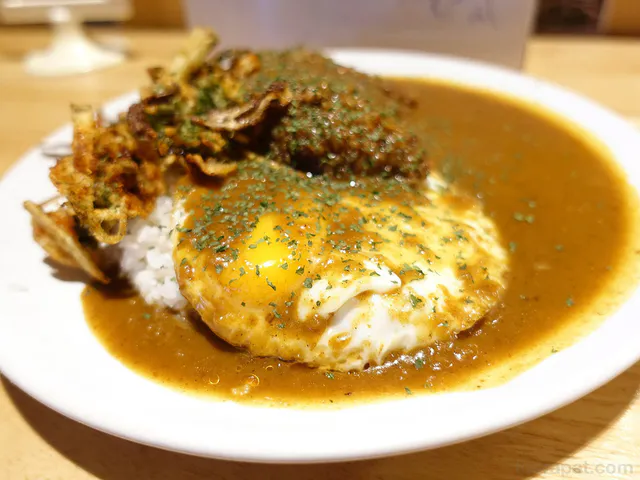
A tiny homemade Japanese curry shop — ten-hour stock, always full, quietly Japanese in feel.
Closed Mondays. Go for lunch; 250–500 baht disappears in a few bites.
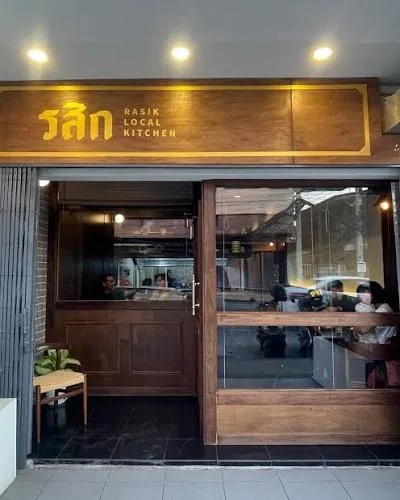
Four tables, charcoal grilling, an open kitchen, and a menu that follows whatever is in season.
Book on Facebook. This is a dinner you plan, not a walk-by — 500–1,000 baht.

Old-school Thai recipes, plated like a palace table, with a four-year Michelin Bib Gourmand streak.
In-town, 250–500 baht, and one of the surest Thai (not only northern) meals in Chiang Mai.

A Japanese curry specialist: fried pork tenderloin, stewed beef, and a burger-patty curry that regulars reorder.
Dinner only; closed Mondays. 100–200 baht a plate.

A Ping-side steak house whose point is the loaded tray — generous, not precious, with a river view.
200–500 baht. Easy for a group that wants meat and a breeze off the water.

Premium Japanese — buffet if you want to graze, à la carte if you came for the beef.
Two sittings on the San Kamphaeng road. 500–1,000 baht.
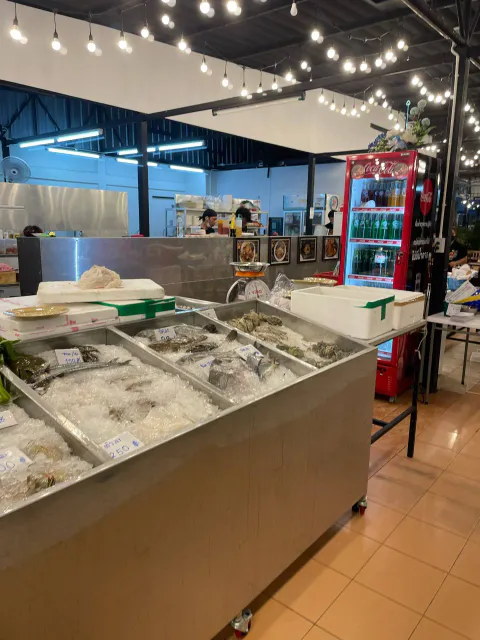
A night-owl som tam and yum stall: salmon yum, pickled-clam som tam, and chicken-feet som tam with Isan heat that briefly makes you forget you are in the north.
Inside the Superhighway food court. 100–200 baht.

A big Ping River terrace with live music, northern and central Thai plates, and enough seats for a family or a noisy table of friends.
Dinner into the small hours. 500–1,000 baht — you pay for the view as well as the food.
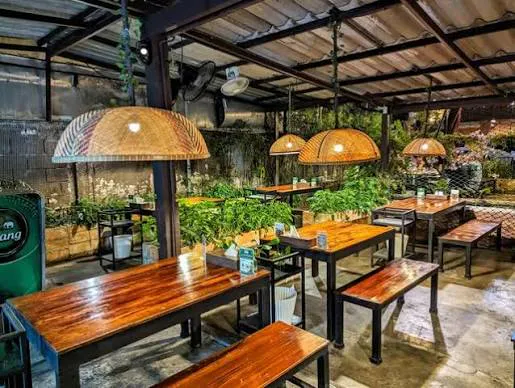
The Nimman northern kitchen people say you have not done Chiang Mai without — hang lay, stir-fried pork collar, larb omelette, sai ua.
Two branches; queue on QueQ before you walk to Soi 13.
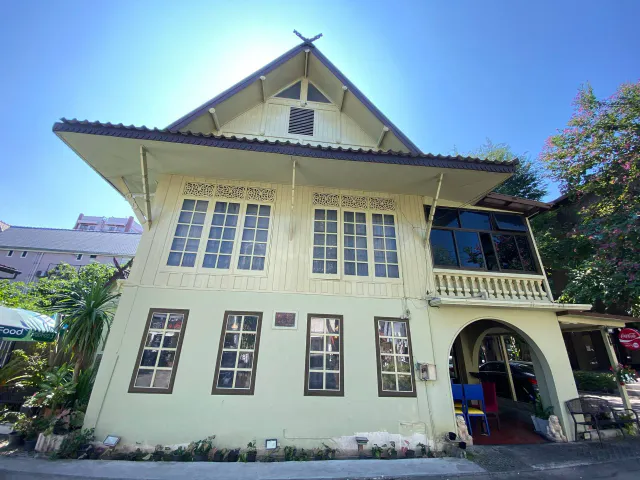
Michelin-listed Hong Kong Chinese on Nimman Soi 5 — Peking duck, char siu, rice-noodle rolls, and a full dim sum spread.
Daytime hours only. 500–1,000 baht for a serious Chinese lunch in the west of town.
04
Northern Comfort, Bold & Aromatic
Lanna cooking is earthy, herbal, and quietly fierce — coconut-rich noodles, chilli dips, Burmese-leaning curries, and the numbing perfume of makhwaen. Chiang Mai eats this food at markets, teak-house kitchens, and family tables. These eleven plates are the ones worth ordering first.

The northern starter set. Num is a pounded young-chilli dip, ong a tomato-and-minced-pork relish, sai ua a grilled pork sausage loud with lemongrass, galangal, and kaffir lime. Eat them with sticky rice, raw vegetables, and khaep moo — almost every serious northern kitchen puts this trio on the table.
Eggs baked in a banana-leaf cup until just set, seasoned with salt and spring onion, sometimes chilli, lemongrass, or garlic. Cooks fold in pork, prawn, fish, or crab for a richer bite. A quiet, smoky Lanna dish — more hearth than street stall.
Chiang Mai’s famous curry noodles: egg noodles in a coconut-and-spice broth, a handful of crispy noodles on top, pickled mustard greens and shallots on the side. Squeeze lime; add dried chilli if you want heat. Chicken and beef are the classic bowls — this is the plate most visitors eat first, and still the one locals argue about.
A sour-savoury soup of flowering mustard greens simmered with pork bones, shrimp paste or pla ra, and tamarind, sometimes a slab of grilled thua nao. Soft greens, a light sourness, fried garlic and dried chilli on top. Homely, slurpable, and on every true northern menu.
Rice noodles in a Shan-rooted pork-and-tomato broth, deepened with thua nao and the essential dried cotton-tree flower (dok ngio). Ribs, mince, or blood may go in; sprouts, pickled greens, and shredded cabbage go beside. Crisp pork rinds make the bowl. Northern kanom jeen houses almost never skip it.
Not Isaan larb. Northern larb is built on a spice paste — galangal, makhwaen, and other local aromatics — then often dry-fried and finished with blood for a darker, more perfume-heavy plate. Serve with a heap of raw mountain herbs. Heat is there; fragrance leads.
A Burmese-born pork curry that settled in the north: masala-style hinlay powder, ginger, tamarind, pickled garlic, peanuts, palm sugar, and a coarse shrimp paste. Collar and belly go in. The gravy is sour-salty, only gently hot, and thick enough to cling to sticky rice.
Rice-field crab roe beaten with egg, salt or soy, sometimes garlic and pepper, then grilled back in the shell. Peak season is the rice harvest, roughly October to December, when the crabs are richest. Creamy, smoky, and made for a pinch of sticky rice.
Young jackfruit, boiled then pounded and stir-fried with fried garlic, tomato, and a herb-and-kapi curry paste, sometimes minced pork or pla ra. Bitter-green fruit, kaffir lime, and a crunch of pork rinds and fried chilli. Northern cooks also treat it as an auspicious dish — khanun sounds like “support”.
Fried chicken marinated in makhwaen — the prickly northern spice often called the king of Lanna seasoning, and the same berry that scents larb and nam prik. Fresh from the wok with hot sticky rice, it is one of the most addictive plates in Chiang Mai.
A lighter jackfruit curry than tam khanun: young fruit simmered with pork spare ribs, cha-om, chaplu leaves, and the lift of tomato. Eaten on New Year’s Day and at weddings because the name promises people who will stand by you. A bowl you rarely find well made outside the north.
05
Local Specialties & Souvenirs
Chiang Mai is one of Thailand's best provinces for handmade gifts — textiles, ceramics, highland coffee, and market snacks that travel well.

06
Local Culture & Vibe
Chiang Mai moves at a gentle pace where Lanna values — jai yen manners, community warmth, and deep spiritual respect — coexist with international artists, digital nomads, and eco-conscious creators. Teak temples and silverwork sit beside specialty coffee and creative studios; festivals like Yi Peng embody the city's glowing, contemplative spirit.

07
Travel Info & Getting There
How to reach Chiang Mai from Bangkok, and how to move around once you arrive.
Chiang Mai International Airport (CNX) is the major northern aviation hub, with frequent domestic flights from Bangkok (about 1 hour 10 minutes) and many direct international routes.
The iconic overnight sleeper from Bangkok's Krung Thep Aphiwat Central Terminal offers a scenic, nostalgic journey north to Chiang Mai Railway Station.
Well-maintained highways and scenic VIP coaches link Chiang Mai with Bangkok (about 9–11 hours) and neighbouring northern provinces.
Navigate with iconic red songthaews, Grab and other ride-hailing apps, bicycle tours, or rental scooters if you are experienced. For mountain days, a private driver is the easiest option.
November – February for cool, clear temple and highland days. Hot season suits waterfalls; green season (May–October) is lush and quieter — pack a light rain jacket.
Continue the Journey