ThailandLover Contact

แพร่

Phrae

Teak Houses & Eastern Lanna

Folded into a quiet Yom River valley in upper Northern Thailand, Phrae is where teak mansions, indigo mo-hom cloth, and centuries of Eastern Lanna heritage still set a slower pace — a province that rewards travellers who linger.

01

Geography & Climate

A Yom Valley Between Twin Ranges

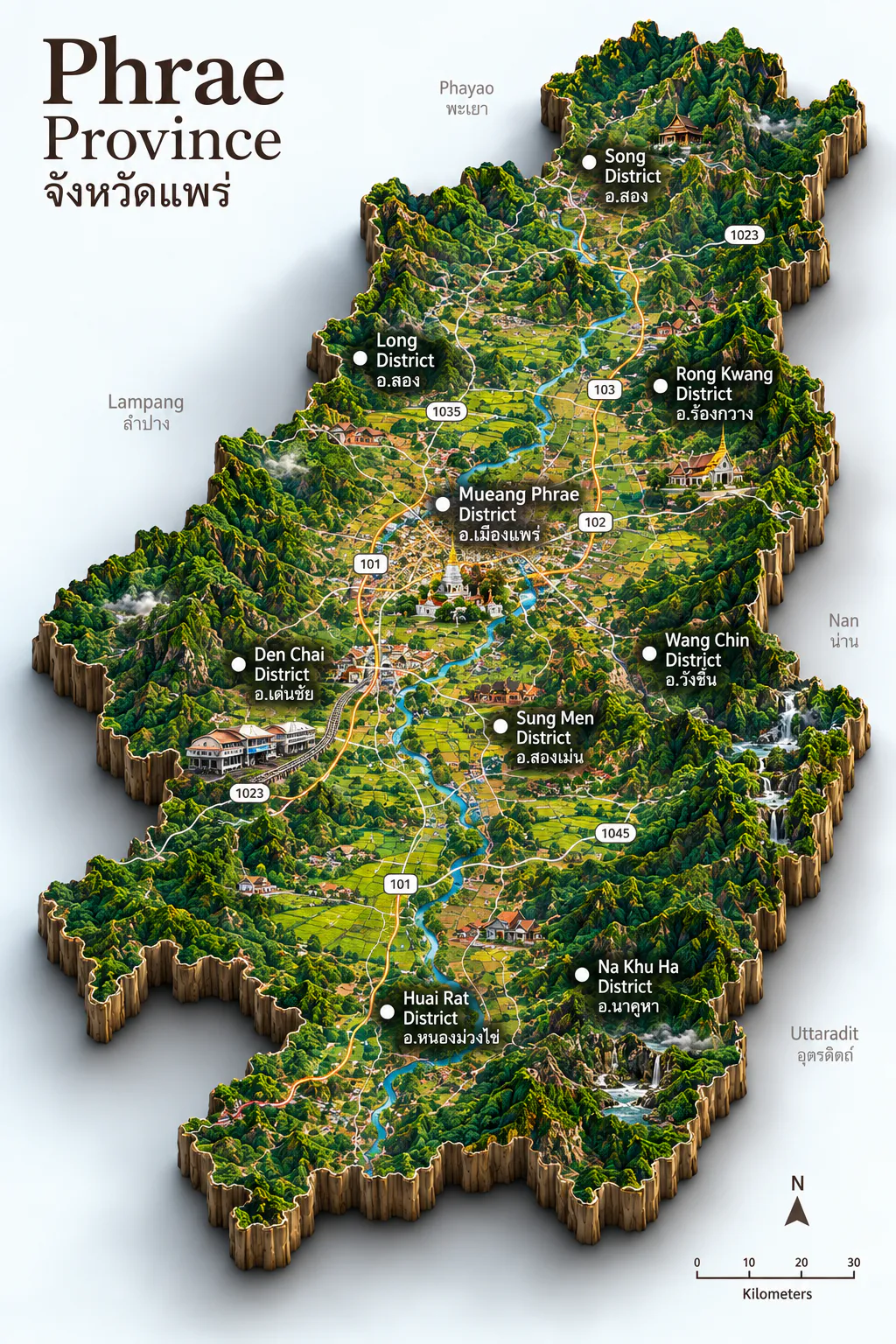
Phrae sits in upper Northern Thailand, about 6,539 square kilometres of river valley and forested mountain, roughly 550 kilometres north of Bangkok. Clockwise from the north it meets Phayao, Nan, Uttaradit, Sukhothai, and Lampang. The Yom River runs through the central plain; the Phi Pan Nam Range rises to the west and the Phlueng Range to the east, so hills and forest claim most of the land and the livable floor gathers along the river.

About eighty percent of the province is hill and mountain; the flatter twenty percent — around Mueang Phrae, Rong Kwang, and Den Chai — carries the rice fields, teak-town streets, and the rail gateway at Den Chai. Forest still covers a large share of the land. Beyond town, Wiang Kosai and Mae Yom national parks, the eroded earth pillars of Phae Mueang Phi, and cool waterfall trails open the same ridges that once framed the old city.

The climate follows the northern monsoon. November to February brings the cool, clear dry season — the classic window for old-town walks and temple mornings. March to May is the hot stretch, when the hills offer the kinder escape. Rains arrive from about May to October, greening the valley; August and September are often the wettest months.

Best time: November – February for cool dry air, clear valley light, and easy days among teak houses and Phra That Cho Hae; March – May for highland shade; May – October for lush parks, fuller waterfalls, and quieter town streets.


Phrae landscape

02

History & Heritage

From Phon Nakhon to Eastern Lanna

Phrae’s story reaches deep into northern legend. Long before it became a modern province, the city was known as Phon Nakhon — a name that appears in the chronicles of the North and in the legend of Phra That Lampang Luang, around the seventeenth Buddhist century — and later as Wiang Kosai, a moated earthen town whose waterway was called Nam Khue and whose rampart was remembered as Mek. Prosperity here ran alongside the great ages of Sukhothai and Lanna.

In 1443 (B.E. 1986) the city was drawn into the Lanna Kingdom and stood as an important eastern frontier town, linked in turn with Chiang Mai, Lampang, and at times Sukhothai. That frontier role made Phrae a hinge between highland powers — and, in later centuries, a place marked by upheaval as well as devotion.

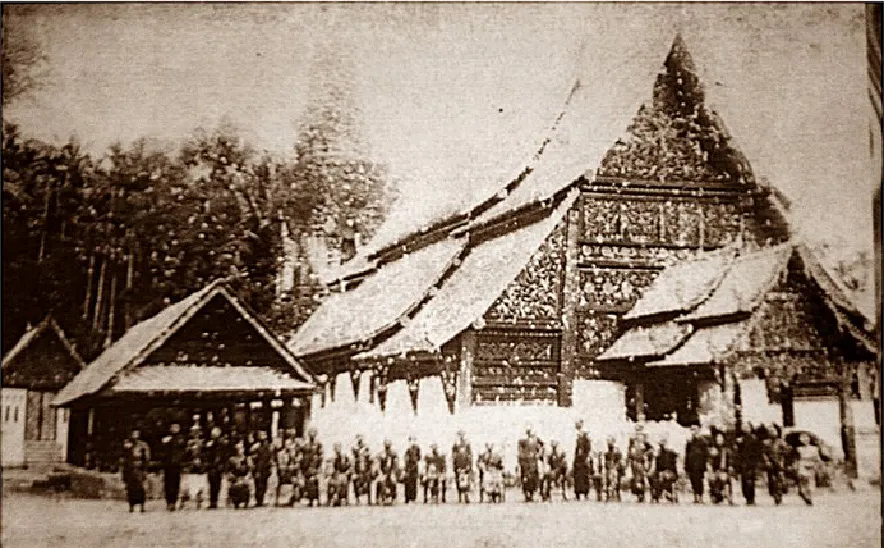
In 1902 (B.E. 2445), during the reign of King Rama V, the Shan (Ngiao) rebellion struck the city before it was suppressed by Chaophraya Surasakmontri. The old principality was folded into the modern Thai state, yet the cultural root held. Today Phrae remains an upper-northern province that guards its temples and teak streets with quiet pride — from Wat Luang in the old town to the sacred hill of Phra That Cho Hae, still the spiritual heart of the city.

Walk the teak lanes at dusk, pause at a wooden mansion, and you feel the same valley that once held Phon Nakhon and Wiang Kosai — Eastern Lanna, still living.

Phrae heritage

03

Top Attractions

Places Not to Miss

Sacred chedis, pink teak mansions, earth pillars, and a Bavarian-frame station — Phrae’s must-sees, listed A to Z.

Ban Pin Railway Station

Ban Pin Railway Station

A rare Bavarian timber-frame station on the northern line — half German carpentry, half northern Thailand. Photographers love the wooden facade and quiet platform; pair the stop with Wat Phra That Doi Noi for a hilltop view over Long.

Location · Long District

Doi Pha Klong National Park

Doi Pha Klong National Park

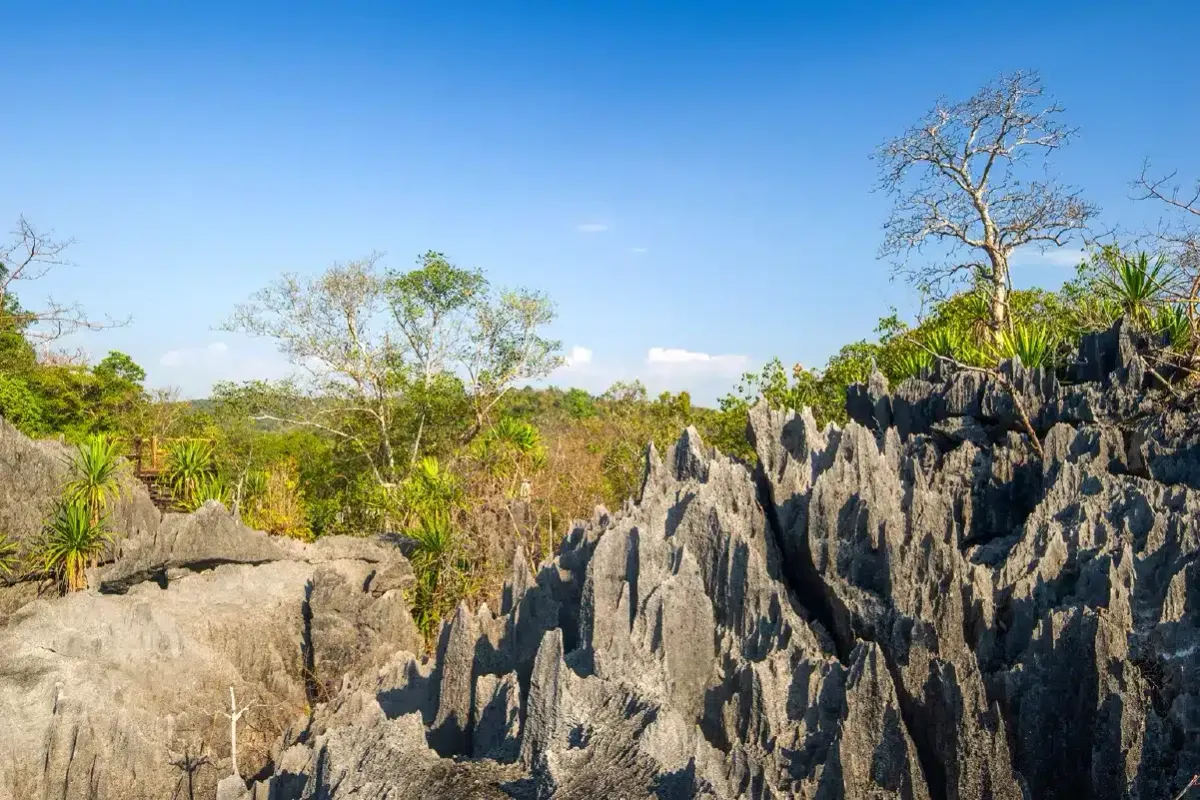
Forest ridges spanning Long, Wang Chin, and Mueang Phrae, with Erawan Cave reached by more than 300 steps and Tham Chakraphat temple on the summit. Nature trails, Red Rose Falls, and Yom River rapids at Kaeng Luang make this Phrae’s wilder day out.

Location · Long District

Phae Mueang Phi Forest Park

Phae Mueang Phi Forest Park

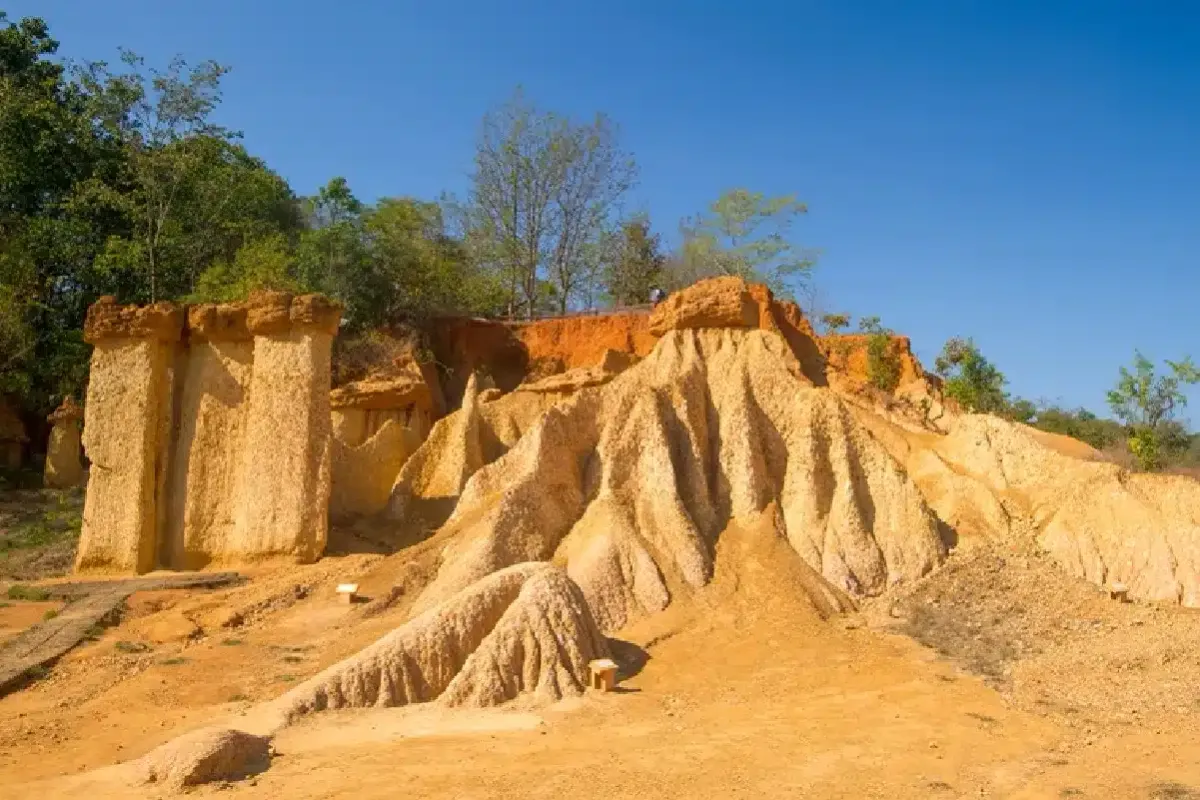
Wind- and water-carved earth pillars — Phrae’s strange ‘ghost city’ of pale and orange columns. Walk the short nature trail among mushroom-shaped hoodoos; the name means scrub forest of a quiet spirit town, and the geology feels otherworldly.

Location · Mueang Phrae District

Tat Mok Waterfall

Tat Mok Waterfall

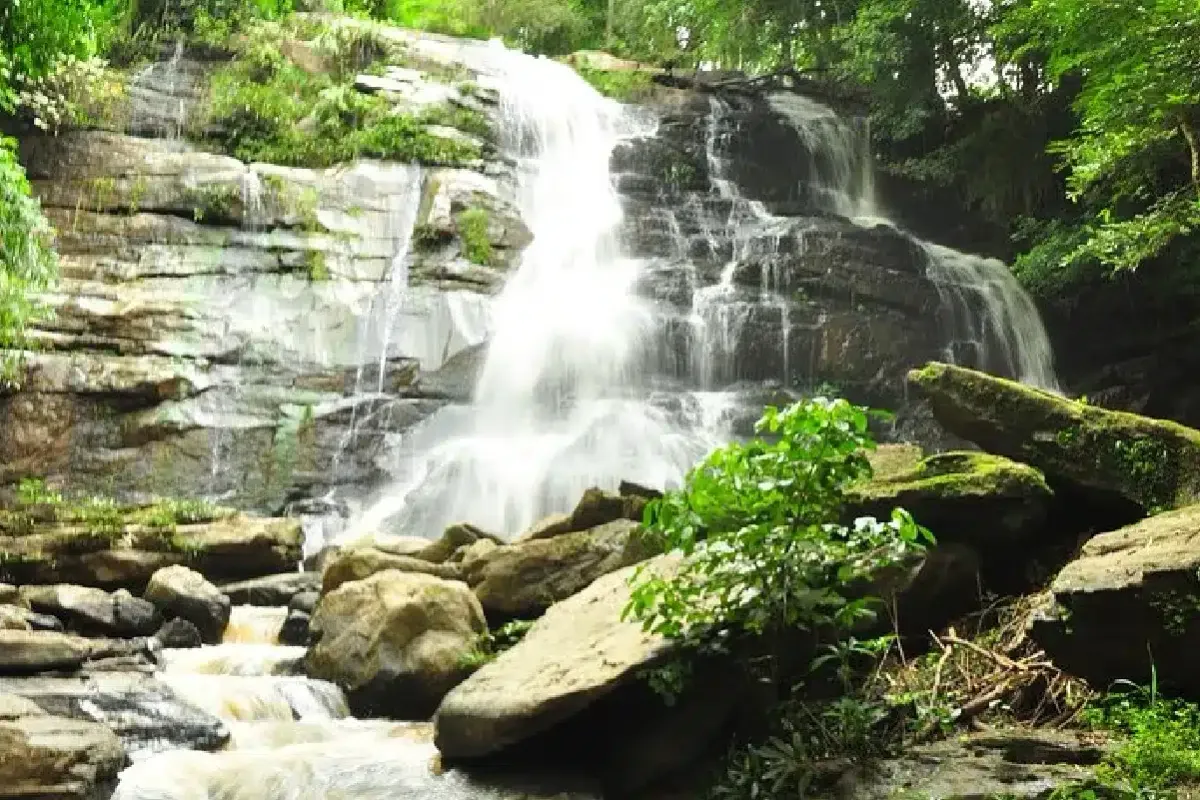
A year-round cascade inside Wiang Kosai National Park, fullest and finest in the rainy months. Reach it on a roughly two-kilometre forest walk — cool spray, green shade, and one of Phrae’s classic waterfall escapes.

Location · Wang Chin District

Tham Pha Nang Khoi

Tham Pha Nang Khoi

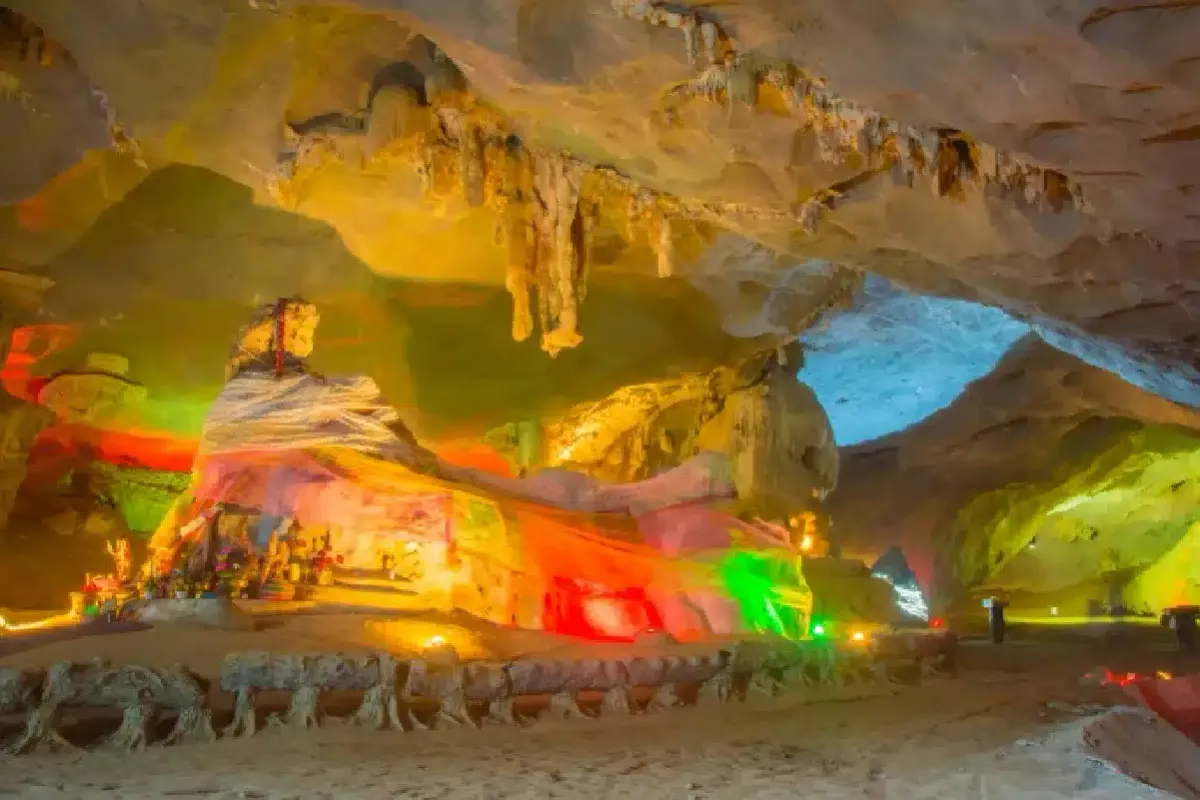
A large limestone cave of stalactites and stalagmites, lit for visitors and wrapped in the legend of a woman who waited for her lover until she turned to stone. Soft coloured light turns the chambers into a quiet subterranean gallery.

Location · Rong Kwang District

Vongburi House

Vongburi House

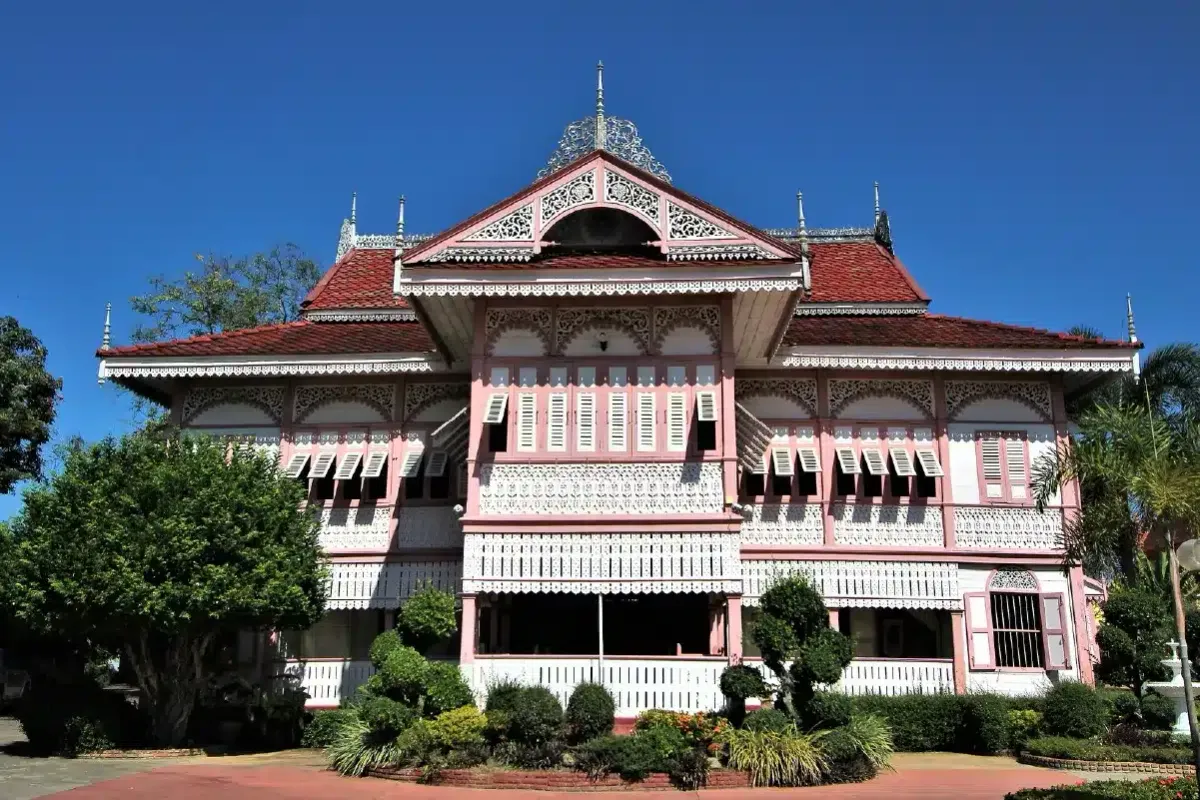
A pink two-storey teak mansion from 1897, built by Cantonese craftsmen in Thai–European ‘gingerbread’ style. Now a private museum of noble life and teak-era objects — conservation award winner, and still one of Phrae’s most photogenic houses.

Location · Mueang Phrae District

Wat Chom Sawan

Wat Chom Sawan

A rare Burmese–Pagan teak temple from the reign of King Rama V, later restored by Tai Yai communities. One raised wooden hall serves as both viharn and monks’ quarters, with nine-tiered roofs, coloured glass, and registered Fine Arts Department antiques inside.

Location · Mueang Phrae District

Wat Phra That Cho Hae

Wat Phra That Cho Hae

Phrae’s sacred city chedi and the birthday stupa for those born in the Year of the Tiger. Climb the low hill — about 28 metres — or take the lift to the gilded octagonal Chiang Saen-style relic tower, then pause for valley views and Phra Chao Cho Hae.

Location · Mueang Phrae District

Wat Phra That Pu Jae

Wat Phra That Pu Jae

An ancient hilltop relic site with a square chedi said to enshrine a Buddha anklebone relic. Centuries of restoration by Phrae’s rulers keep it a quiet pilgrimage stop above Ban Wiang — older, smaller, and deeply local.

Location · Rong Kwang District

Wat Phra That Su Thon Mongkhon Khiri

Wat Phra That Su Thon Mongkhon Khiri

A modern Lanna-inspired temple near the rail gateway, famous for thirty gilded chedis — Phra Borommathat Barami 30 That — plus northern Buddha images and murals. Easy to combine with a Den Chai stop on the way into Phrae.

Location · Den Chai District

04

Local Flavours & Food

Local Flavours & Food

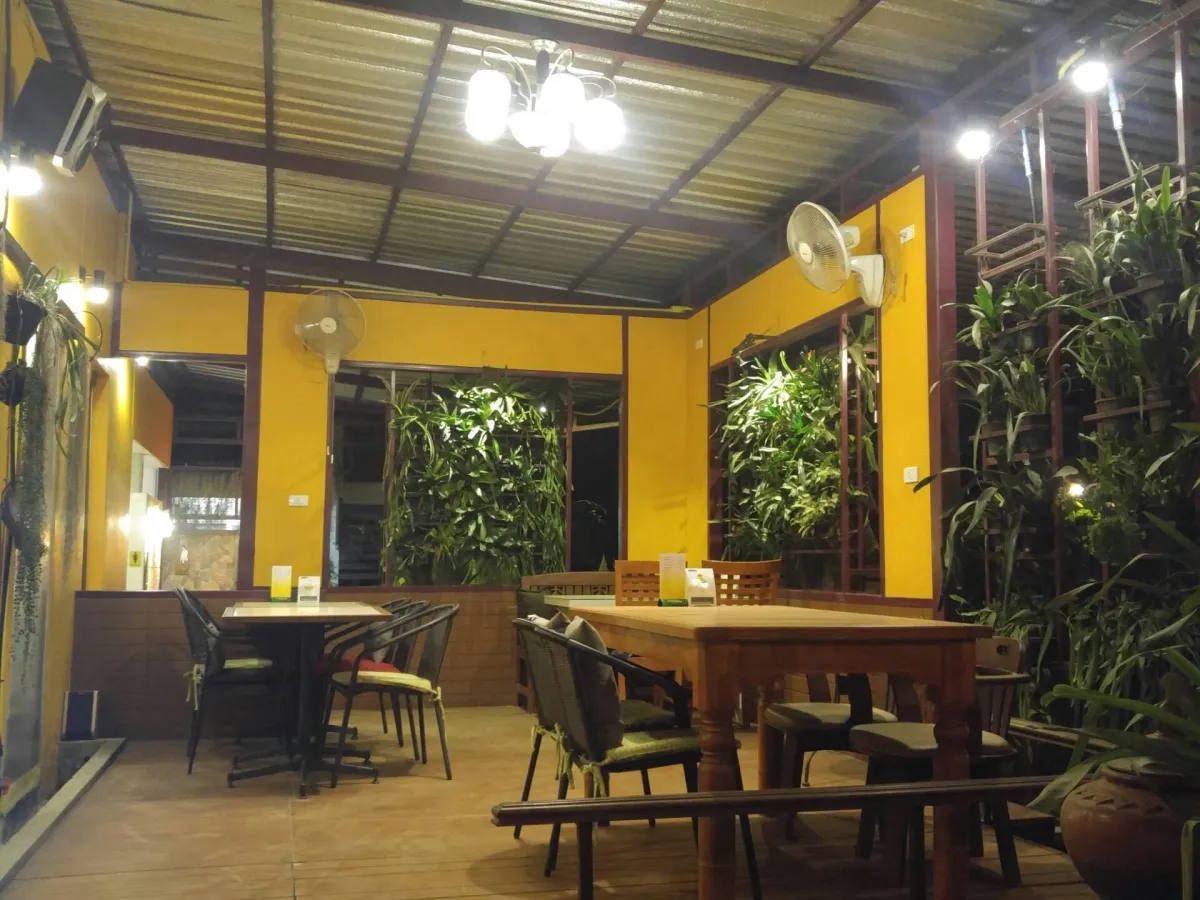
Phrae eats with northern heat and easy garden air — khanom chin nam yoi at the market, clay-oven sai ua on the Den Chai road, riverside fish after Cho Hae, and salas under big trees when the evening cool arrives. The tables below are listed A to Z.

Where to Eat

Tables Worth the Detour

Riverside salas, garden kitchens, and Phrae bowls locals still name first — listed A to Z.

Ai Krun Klang Doi

Ai Krun Klang Doi

Daily

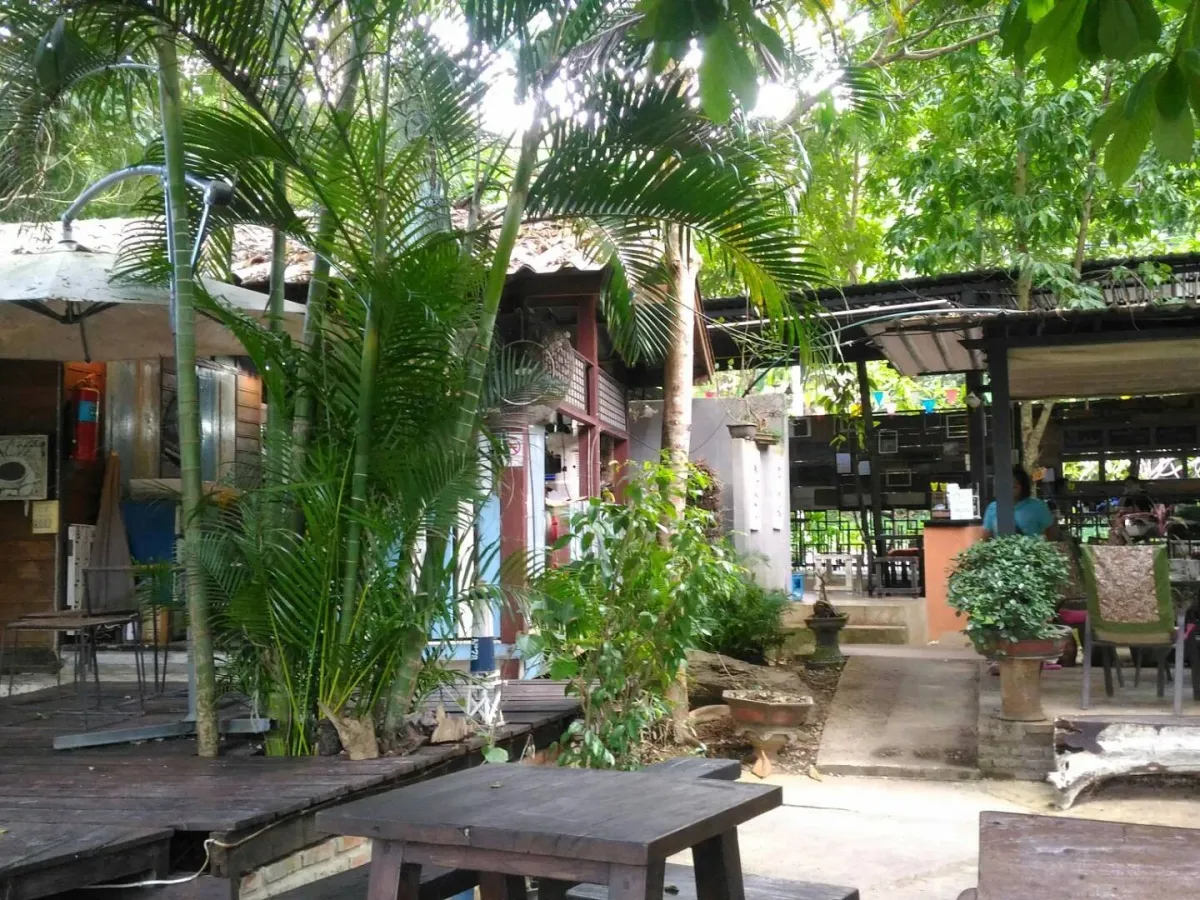
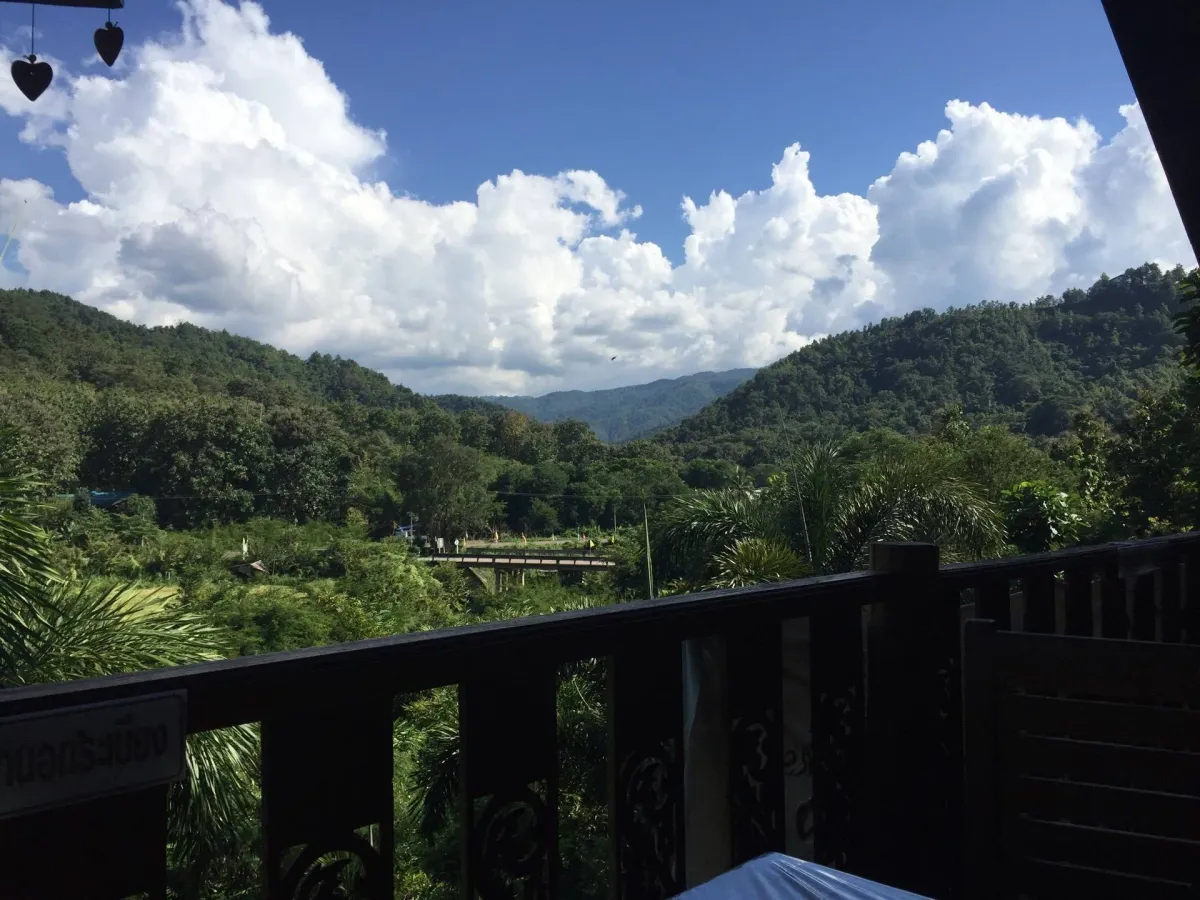
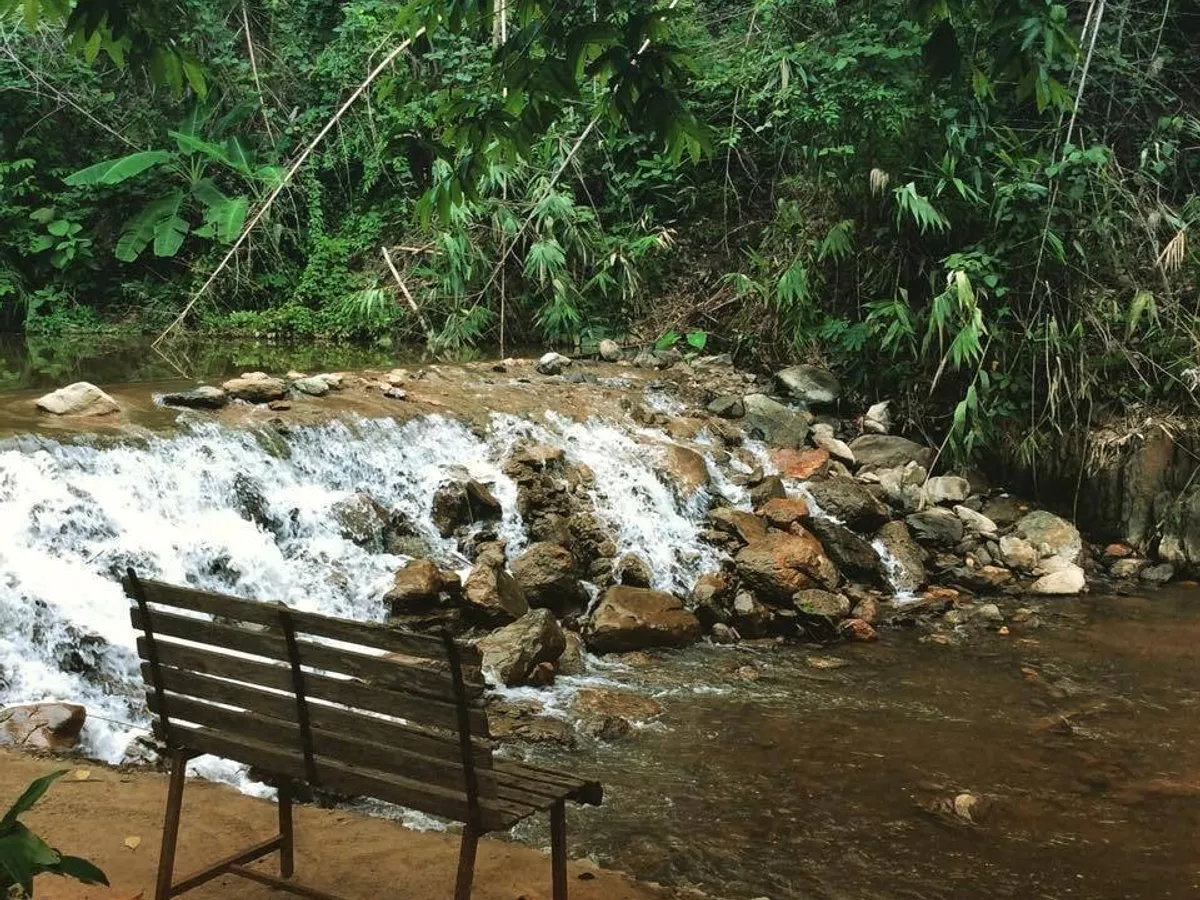
A streamside café-restaurant in the green hills near Phra That Cho Hae — cool air, forest light, and easy fusion plates after a temple morning.
Order khanom chin nam ya pu and som tam with fried fish; best when the mist still hangs in the trees.

Location · Mueang Phrae District

Ban Fai Garden Restaurant

Ban Fai Garden Restaurant

Daily

A garden table mixing northern and Isaan heat — grilled pork neck, som tam pla ra, and tom saep that locals rate against the Northeast itself.
Come hungry and share; this is Phrae eating with spice and sticky rice.

Location · Mueang Phrae District

Ban Mon Nok Yung

Ban Mon Nok Yung

Daily

A hillside stop near Phra That Cho Hae with cool evening air and northern plates that fill the table fast.
Try laab pla phia and gaeng pa; stay after dusk when the breeze turns soft.

Location · Mueang Phrae District

Chonlachat Rimthan

Chonlachat Rimthan

Daily

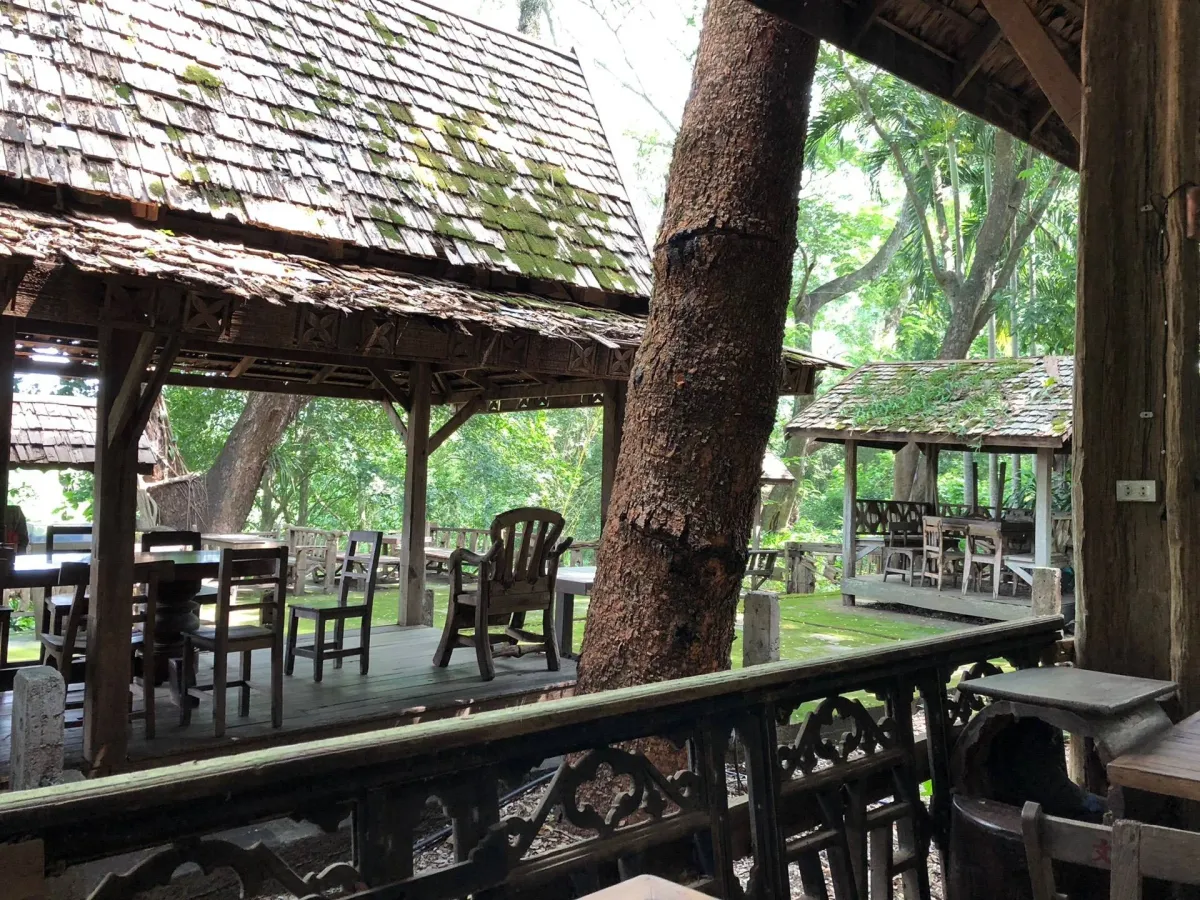
A wooden riverside house near Cho Hae with Thai, Isaan, and seafood plates under open shade.
Order fried fish with tamarind sauce and tom saep tendon — a classic post-temple lunch by the stream.

Location · Mueang Phrae District

Hom 2493

Hom 2493

Daily

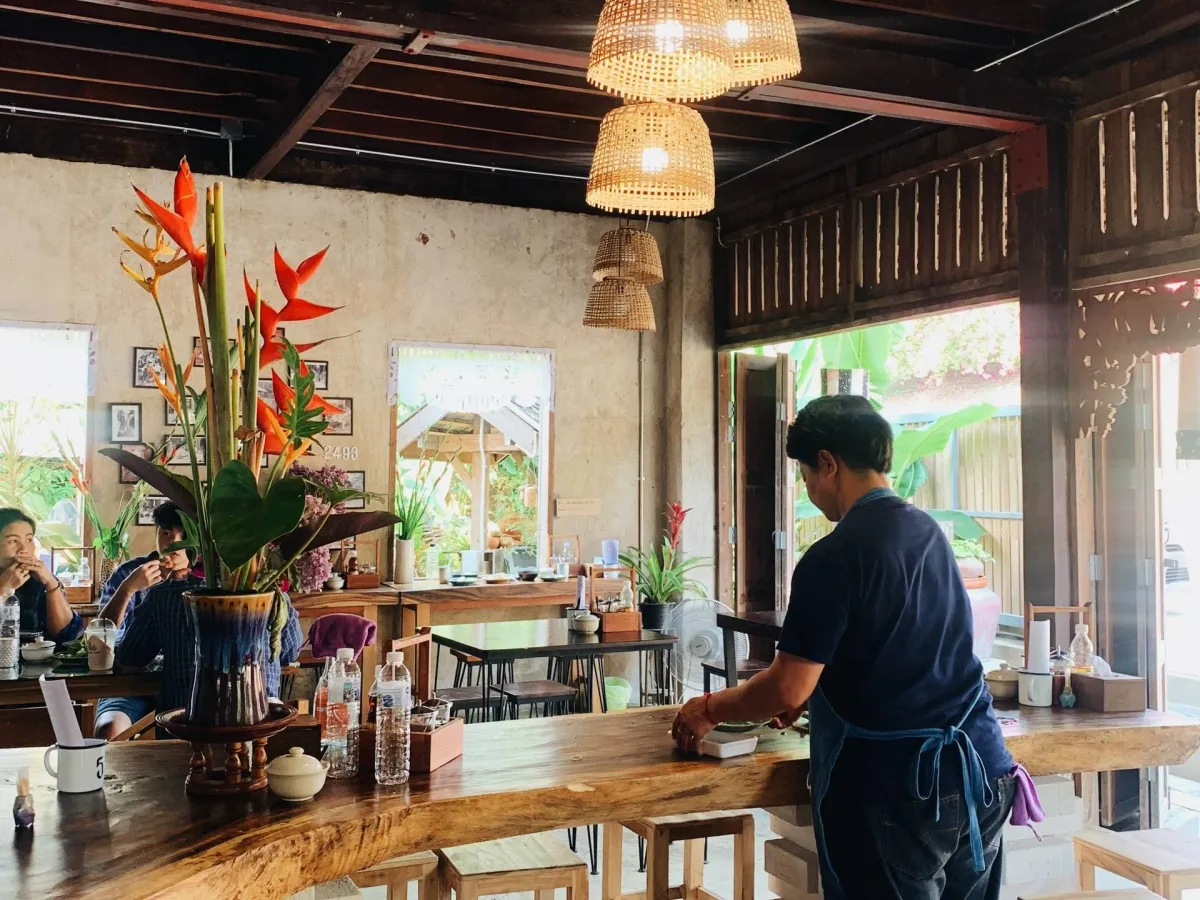
A warm wooden som tam house with enough northern bites to keep the table balanced — corn salad and makhwaen fried chicken are the house favourites.
Friendly prices, fast plates, and the kind of stop travellers find after a TV tip and keep coming back for.

Location · Mueang Phrae District

Nam Yoi Mueang Pae

Nam Yoi Mueang Pae

Daily

Phrae’s signature khanom chin nam yoi at Kad Nam Thong — fresh noodles, pork-blood broth, and free-flow nam prik with unlimited greens.
This is the bowl visitors are told not to leave without; go early if you want an easy seat.

Location · Mueang Phrae District

New Menu Pla

New Menu Pla

Daily

A fish-forward Thai kitchen that fills up on festival weekends — tom yum pla khang and herb-fried tilapia lead the board.
Good for families who want fresh river fish and a calm indoor-outdoor room.

Location · Mueang Phrae District

Phumjai Vietnam

Phumjai Vietnam

Daily

A Rong Kwang favourite for Vietnamese–Thai plates — naem nueang with hydroponic greens, plus som tam, fried chicken, and Kurobuta steak when you want variety.
Worth the detour east of town when the road already points toward Rong Kwang.

Location · Rong Kwang District

Rom Mai Yai Restaurant

Rom Mai Yai Restaurant

Daily, 11:00–22:00

A Wongnai Users’ Choice garden restaurant with indoor rooms, outdoor salas, karaoke, and even tables set in the water.
Order the house yum and eringii mushroom nam prik; stay for live music when the lights come on.

Location · Mueang Phrae District

Suan Sai Thong

Suan Sai Thong

Daily, 08:00–17:00

A breezy northern garden near the Den Chai road — famous for clay-oven sai ua, fragrant laab mu, and sour naem mok.
Order at the counter, pick a shaded table, and taste Phrae’s roadside northern classic before heading into town.

Location · Den Chai District

05

Souvenirs from Phrae

Mo Hom, Sai Ua & Golden Teak

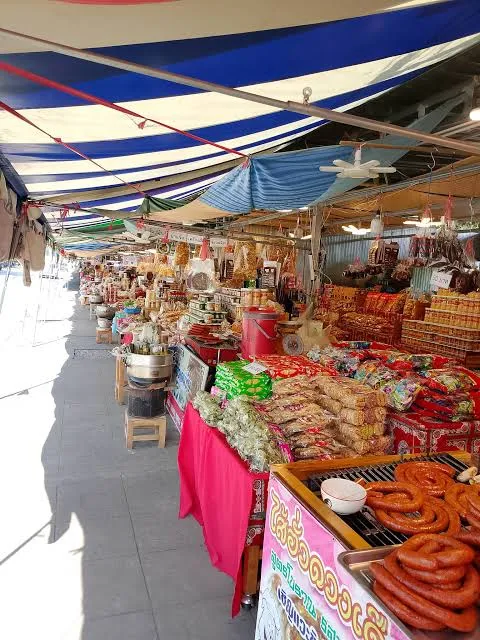
Phrae packs indigo cloth, herb-loud sausage, and teak into the same bag — edible keepsakes from Long and Den Chai roads, plus crafts that still define Eastern Lanna style. Fill the cooler first, then leave room for mo-hom and a small teak piece before you leave.

  • Sai uaไส้อั่ว Phrae’s favourite edible gift — northern pork sausage loud with lemongrass, kaffir lime, and chilli. Choose mild or medium-hot; most shops vacuum-seal packs so they travel cleanly home.
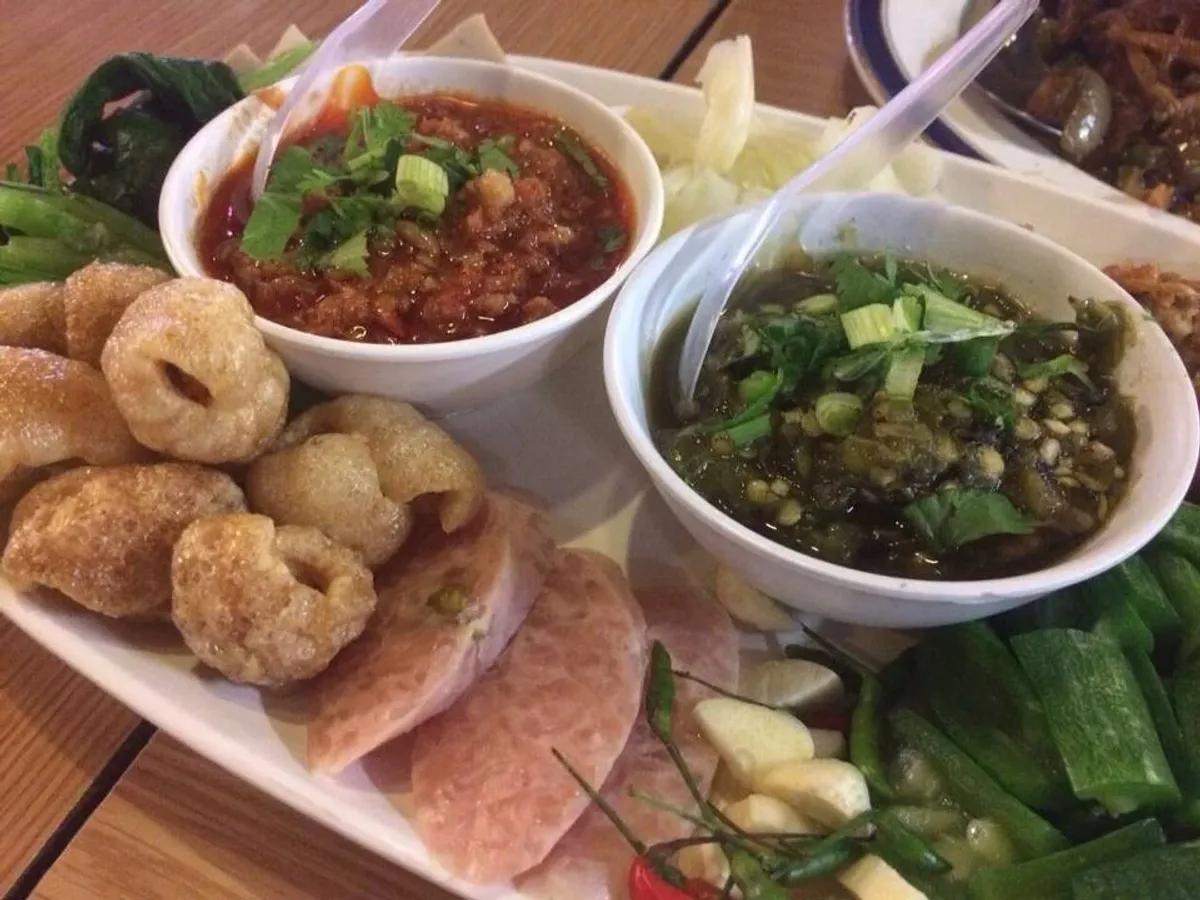
  • Nam prik nam yoiน้ำพริกน้ำย้อย The Long District chilli paste that defines Phrae’s signature noodle bowl. Spoon it over fresh khanom chin or stir through hot jasmine rice — a small jar that tastes like Kad Nam Thong.
  • Moo yor & khaep mooหมูยอ · แคบหมู Firm banana-leaf pork loaf and shatter-crisp, low-fat pork crackling. Slice the moo yor cold with chilli sauce; open the khaep moo on the first night back.
  • Nam prik mu krajokน้ำพริกหมูกระจก A sharp northern dip studded with crispy pork crackling — salty, spicy, and made for sticky rice. Easy to pack; hard to share once opened.
  • Prik laabพริกลาบ Ready-to-cook northern laab spice mix, fragrant with makhwaen. Bring it home for weeknight laab that still smells like a Phrae kitchen.
  • Local rice wines & corn spiritสาโท · เหล้าข้าวโพด Homeland sato and local corn liquor from Phrae makers — sweet-sour rice wine for sharing, and a corn distillate with quiet provincial fame. Check baggage rules before you fly.
  • Mo-hom indigo clothผ้าหม้อฮ่อม Phrae’s textile emblem — indigo-dyed woven cotton turned into shirts, bags, and modern fashion cuts. The deep blue that locals wear every day, and travellers wear home.
  • Sin teen jok from Longผ้าซิ่นตีนจกอำเภอลอง Handwoven cotton skirts with intricate teen-jok borders from Long District. Buy a full sin, a runner, or a small piece of yardage — patient craft that rewards a closer look.
  • Golden teak keepsakesผลิตภัณฑ์ไม้สัก Chairs, boxes, and carved pieces from Phrae’s teak tradition — the same wood that built the pink mansions. Choose something small enough for the cabin, or something solid enough for the home.
Phrae souvenirs

06

Local Culture & Vibe

Tung Processions & Living Lanna Rites

Phrae’s year still turns on Lanna faith and community ritual — mo-hom in April water, great tung banners climbing toward Cho Hae, and quiet merit days that keep palm-leaf wisdom and Thai Phuan sky rites alive. Come for a festival and you meet the province at its most itself: generous, devout, and unhurried.

  • Phra That Cho Hae Fair & Great Tung Processionงานไหว้พระธาตุช่อแฮ · แห่ตุงหลวง Late February into early March at Wat Phra That Cho Hae — Phrae’s great annual merit festival. Expect a grand tung procession, Lanna cultural shows, and local crafts around the sacred city chedi that defines the province.
  • Thai Phuan Kam Fa at Ban Thung Hongประเพณีกำฟ้าไทยพวน · บ้านทุ่งโฮ้ง Held around January in Thung Hong, this century-old Thai Phuan rite asks the sky for timely rain and courage for the farming year. A living ritual of weather, hope, and community that still gathers the village.
  • Songkran of Kindness — New Year of Mueang Paeแอ่วสงกรานต์น้ำใจเมืองแป้ · ปีใหม่เมือง 13–17 April: Buddha bathing, mo-hom dress in the streets, and the warm northern market known as Kad Hua Khrua Laeng Nuea. Phrae’s Songkran is playful water with genuine local heart.
  • Tan Kuay Salak — Salak Luangประเพณีตานก๋วยสลาก · สลากหลวง September to October merit-making for ancestors, following Lanna hit-hawy custom. Families offer salak packages in a quiet, deep act of remembrance that still marks the late rainy season.
  • Tak Tham & New-Rice Fire Offeringตากธัมม์ · ตานข้าวใหม่หิงไฟพระเจ้า Early January at Wat Sung Men in Sung Men District — drying and honouring ancient palm-leaf scriptures, then offering new rice with sacred fire. A careful keeping of manuscript wisdom and highland gratitude.
Phrae culture

07

Travel Info & Getting There

Plan Your Journey

How to reach Phrae from Bangkok, and how to move around once you arrive.

From Bangkok

By air

Phrae Airport (PRH) sits about 2 km east of the old town, but scheduled commercial flights remain suspended — Nok Air dropped the Don Mueang route and none have returned. For a fly-and-drive, Lampang (LPT) is the closest working airport, roughly 100 km and about 1.5 hours west by road. Chiang Mai (CNX) and Nan (NNT) are easy backups with onward buses into Phrae; land, pick up a car or coach, and you are among teak streets before the day cools.

By train

There is no station in Phrae city. Ride the Bangkok–Chiang Mai line to Den Chai, about 20 km south, then take a shared dark-blue songthaew into town (around 30–40 minutes; they wait outside the station). From Krung Thep Aphiwat, Special Express 7 (07:30 → ~13:54) is the classic daylight run; Express 51 (22:30 → ~07:04) is the favoured overnight sleeper into Den Chai. Book a second-class berth ahead in cool season — this train fills early.

By bus

Overnight coaches from Bangkok’s Mo Chit 2 are the simplest door-to-door option — about 7–9 hours into Phrae Bus Terminal, a short walk or motorbike hop east of the old town. Sombat Tour runs evening departures (around 20:30 and 21:05) that land near dawn; Transport Co and Nakhonchai Air work the same corridor. Daytime and overnight coaches also link Phrae with Lampang, Chiang Mai, Nan, and Phayao when you are hopping the upper north.

Getting around

The old town is compact and walkable — teak lanes, temples, and Vongburi House sit close together. Songthaews and motorbike taxis cover short hops; Grab can be patchy, so many travellers rent a scooter or car for Phae Mueang Phi, Cho Hae, Long District, and Rong Kwang caves. Returning to Den Chai, dark-blue songthaews leave from outside Phrae Vocational College on Yantarakit Kosol Road; for Cho Hae, pick up near Preeda Market on Chao Hae Road.

Best time to visit

November to February brings cool, clear days for temples, teak houses, and Phae Mueang Phi. Late February into early March is Cho Hae Fair and the Great Tung Procession; mid-April is Phrae’s Songkran of Kindness. March–April can turn hazy in burning season; May–October is greener, quieter, and best for waterfalls after rain.

Continue the Journey

Nearby Provinces