02
History & Heritage
From Ban Phai to a Mekong Province
Nong Khai’s story begins long before the provincial seal. Settlement traces go back more than 7,000 years; copper and tin working appears at Phu Lon in Sangkhom and at Ban Nong Bua and Khok Khon in Tha Bo. Waves of Dvaravati, Champa, Khmer, and Funan influence left their mark — including Funan coins about 2,000 years old — and ancient towns such as Wiang Kham–Wiang Khuk and Wiang Nok Yung still sit in local memory along the Mekong corridor.
Under Lan Xang and early Rattanakosin chronicles, names such as Wiang Khuk, Pa Kho, and Pak Huai Luang — today’s Phon Phisai — appear beside sacred sites like Phra That Bang Phuan. After the Chao Anouvong wars of 1826–1827, King Rama III ordered a new mueang at Ban Phai, a settlement of bamboo groves and a marsh the people called Nong Phai. In 1827 (B.E. 2370) he granted the name Mueang Nong Khai, with Thao Suwa Thamma (Bunma) as first governor — the bamboo-and-marsh origin still echoed on the provincial seal.
Frontier reform followed under King Rama V. After the Haw wars, Prince Prachak Silapakhom set the Lao Phuan (later Udon) monthon headquarters in Nong Khai in 1891 (B.E. 2434). The 1893 (R.S. 112) crisis with France cost Siam the left bank of the Mekong and forbade troops within 25 kilometres of the border, so the monthon seat moved inland to Ban Duea Mak Khaeng — today’s Udon Thani. In 1915 (B.E. 2458) the chao mueang system ended under Rama VI; by 1933 (B.E. 2476) Nong Khai stood as a modern province.
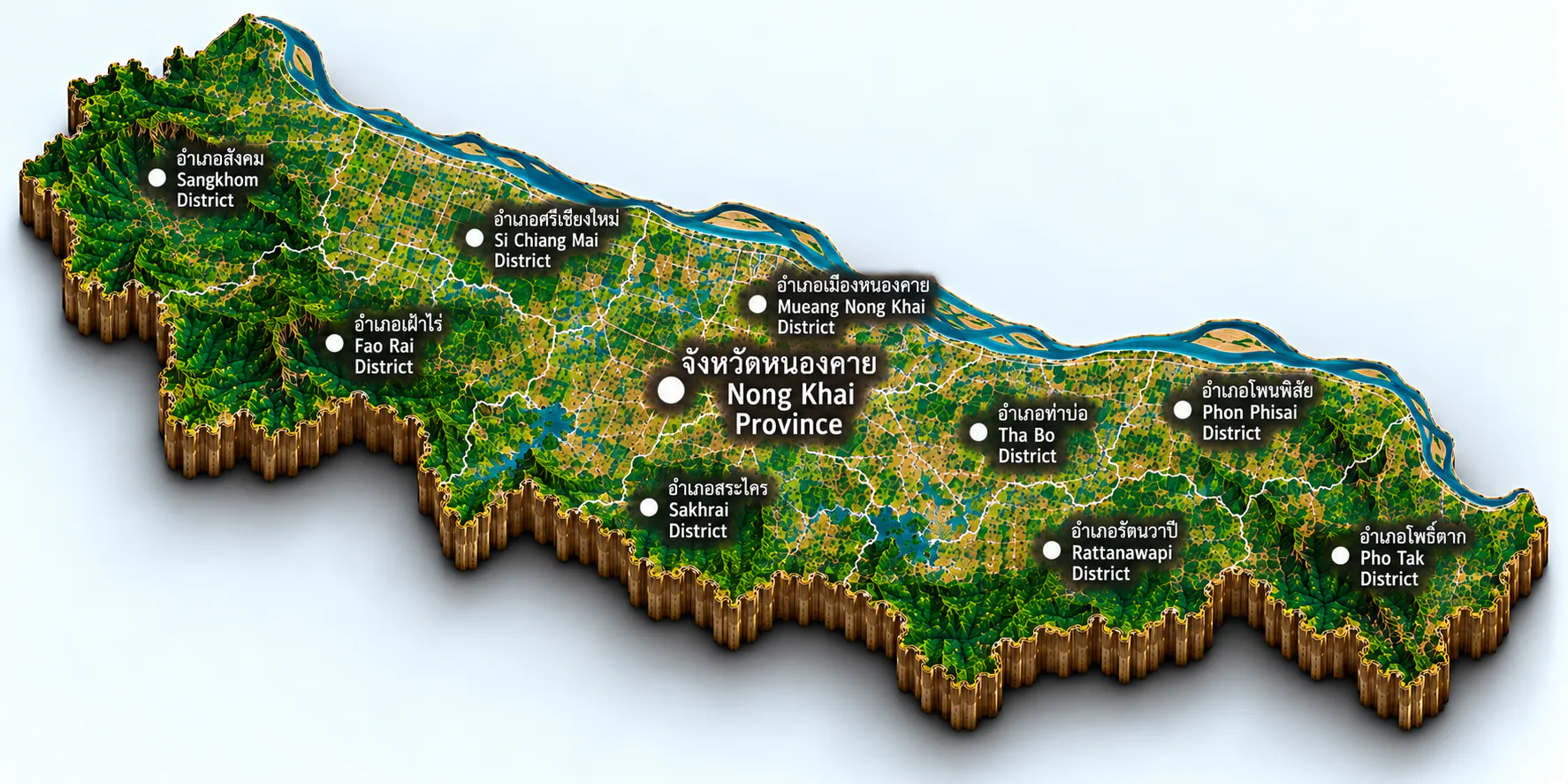
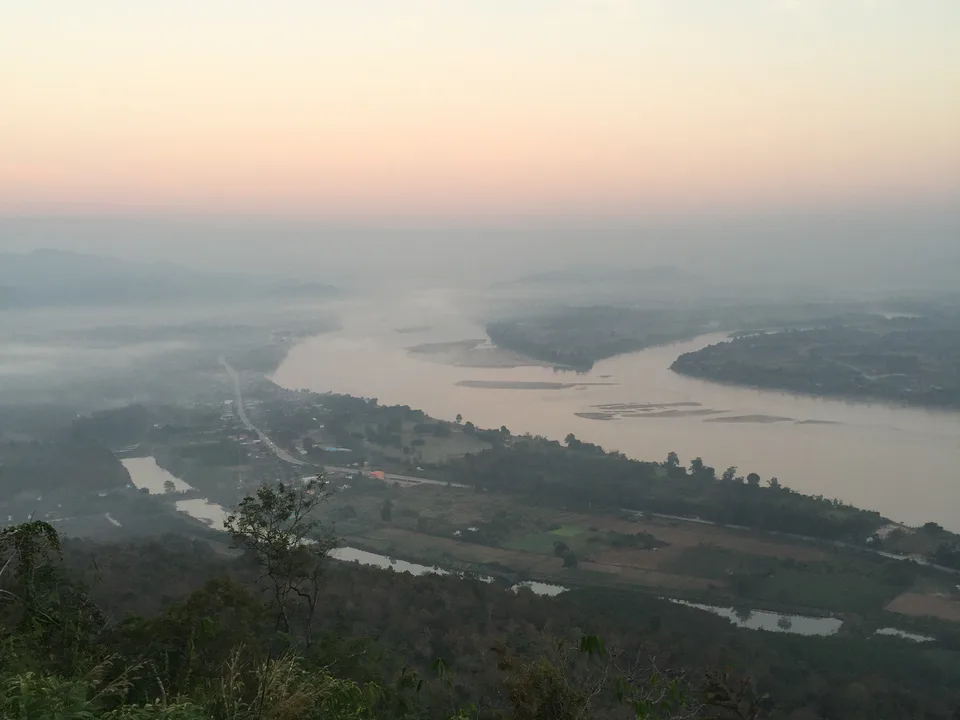
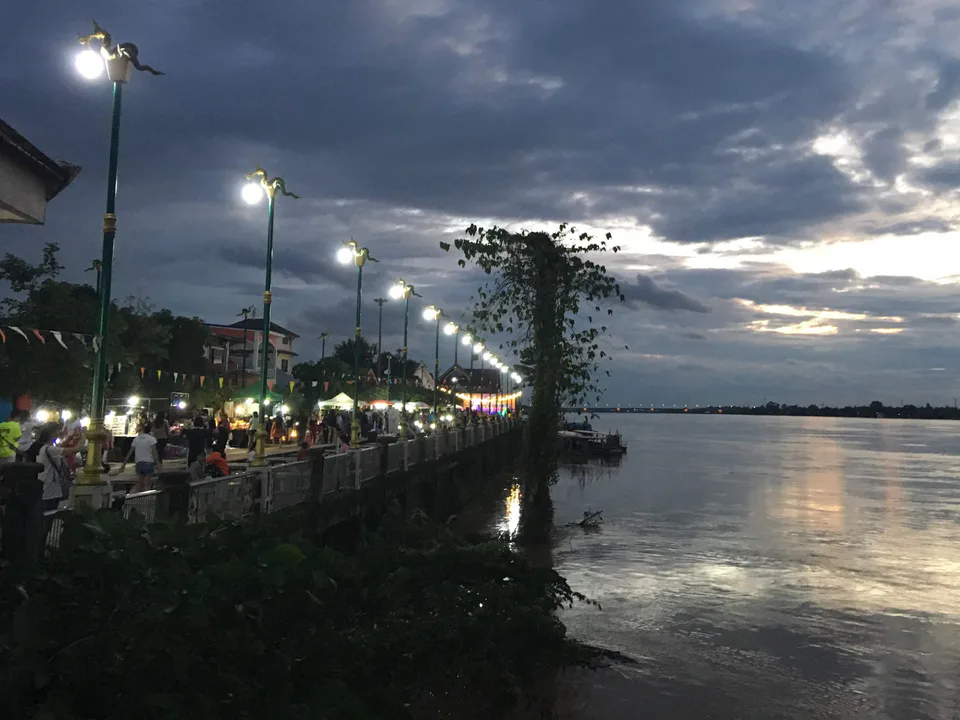
In 2011 (B.E. 2554) eight eastern districts left under the Act Establishing Changwat Bueng Kan, reshaping Nong Khai into the slender Mekong province travellers find today — still the Thai shore that faces Vientiane across Friendship Bridge.