ThailandLover Contact

พะเยา

Phayao

Lake Sunsets & Ancient Kingdoms

Cradled in a northern mountain valley, Phayao is a lakeside province of golden sunsets, quiet temples, and nearly a thousand years of independent kingdom memory — Thailand’s slower northern pause beyond the Chiang Mai crowds.

01

Geography & Climate

Kwan Phayao & the Phi Pan Nam Range

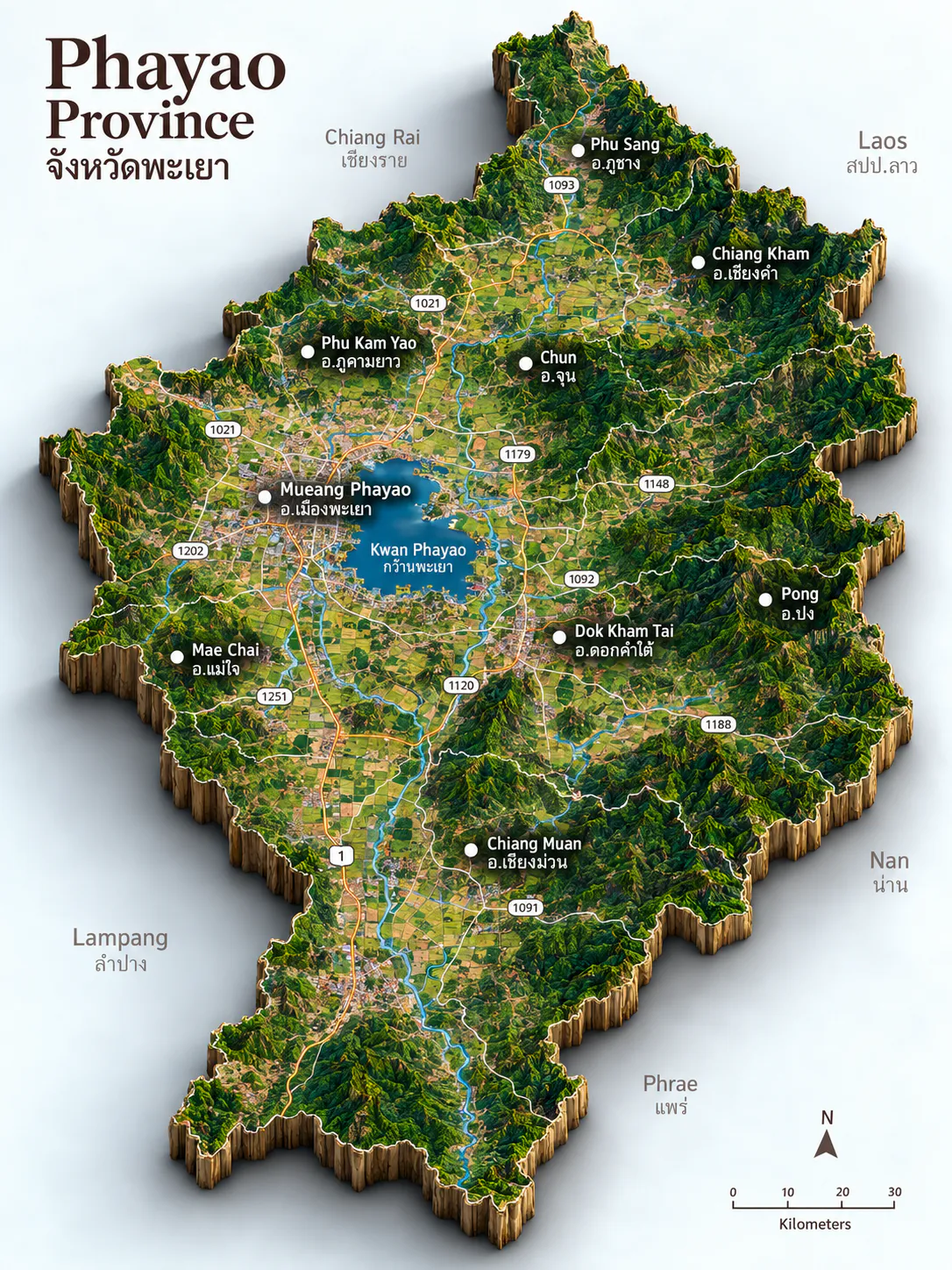
Phayao sits in upper Northern Thailand, about 6,335 square kilometres of plateau and mountain between Chiang Rai, Nan, Phrae, and Lampang, with a short northeastern border facing Laos. The Phi Pan Nam Range runs north to south through the province, lifting the land from roughly 300 to 1,500 metres. Three big peaks frame the main valley — Doi Luang at about 1,694 metres, Doi Khun Mae Fat at 1,550, and Doi Khun Mae Tam at 1,330 — while more than half the province remains forested.

At the heart of it all is Kwan Phayao, the great freshwater lake of the Ing River valley and the largest freshwater fishery in the upper north. The town of Phayao gathers along its shores, where evenings turn gold over the water and motor boats are kept off the lake to protect its quiet. National parks such as Doi Phu Nang, Doi Luang, Mae Puem, Phu Sang, and Tham Sakoen stretch the province from misty ridges to warm forest trails, spanning both the Mekong and Chao Phraya river basins.

The climate follows the northern monsoon. November to February brings the cool, clear dry season — the classic window for lake walks and mountain mornings. March to May is the hot stretch, when the hills and forests offer the kinder escape. Rains arrive from about May to October, greening the valley and filling the parks; August is often the wettest month.

Best time: November – February for cool lake evenings, clear mountain light, and golden sunsets over Kwan Phayao; March – May for highland shade; May – October for lush parks, fuller wetlands, and quieter lakeside days.


Phayao landscape

02

History & Heritage

900 Years from Phu Kam Yao to the 72nd Province

Long before Phayao became Thailand’s 72nd province, it was a proud independent city-state wrapped in northern legend. The story begins around the 11th–12th centuries, when Phraya Chom Tham — also remembered as Pho Khun Si Chom Tham — of the Ngoenyang dynasty founded a realm among the long mountain ranges. That geography gave the city its early name, Phu Kam Yao, later shortened to Phayao. The name itself appears in the famous Wat Si Chum inscription of the Sukhothai Kingdom, proof that this lakeside valley already mattered on the northern map.

Phayao’s golden age arrived under King Ngam Mueang, the ninth ruler of the line. In 1287 he forged a historic friendship with Pho Khun Ram Khamhaeng of Sukhothai and King Mangrai of Lanna — a three-king alliance meant to protect their territories against Mongol pressure. Prosperity and military strength followed, and Phayao stood as a northern power in its own right.

That independence did not last forever. Between 1334 and 1336, during the reign of King Kham Fu, Phayao was absorbed into the expanding Lanna Kingdom. Centuries later, in 1843 under King Rama III, it was re-established as a frontier garrison town under Lampang’s wing, watching the western routes against Burmese forces. In 1899 modern reforms folded Phayao into Chiang Rai as a district. Local persistence and a distinct cultural identity finally won through on 28 August 1977, when Phayao separated to become Thailand’s 72nd province — a title it still carries with quiet pride.

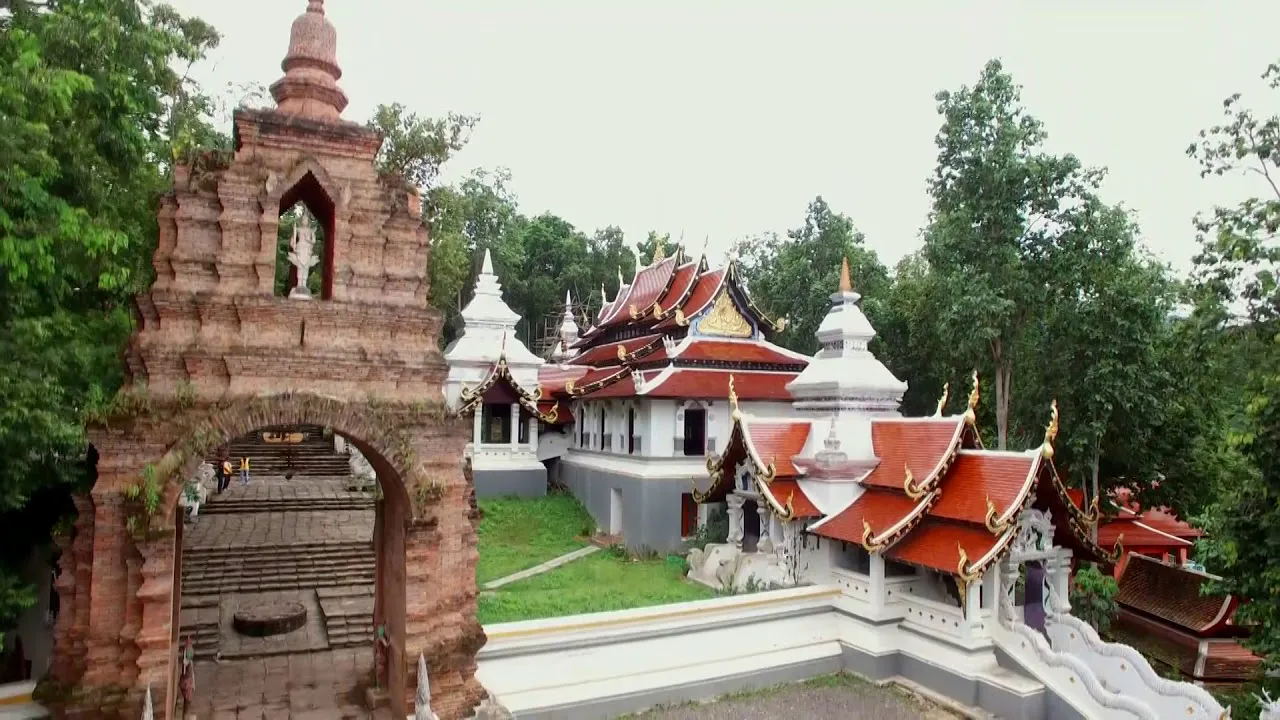
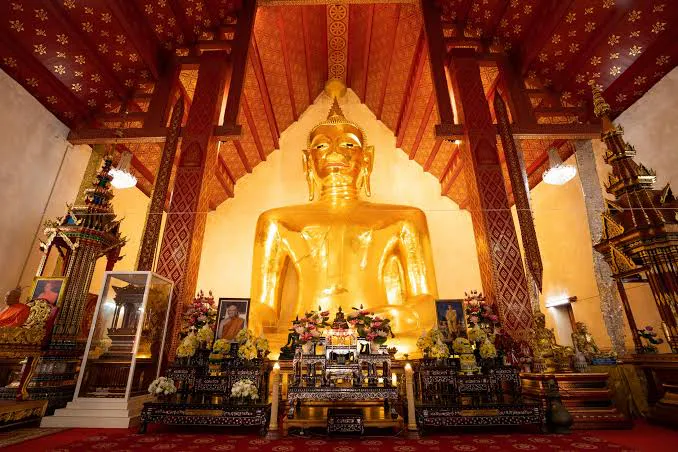
Today that deep past lives beside the lake. Kwan Phayao remains the province’s heart; Wat Tilok Aram rises from the water as a submerged temple visitors reach by boat; and Wat Si Khom Kham shelters Phra Chao Ton Luang, the giant Buddha regarded as the sacred protector of Phayao. Rent a bicycle at dusk, ride the breezy lakeside path, stop for a local bite, and watch the sun melt behind the mountain peaks — the same valley that once held kings still holds its calm.

Phayao heritage

03

Top Attractions

Places Not to Miss

Lakeside temples, warm waterfalls, misty ridges, and quiet cafes — Phayao’s must-sees, listed A to Z.

Doi Luang National Park

Doi Luang National Park

Phayao’s landmark mountain wall, rising to about 1,694 metres and framing the lake from the west. Trails lead toward Pu Kaeng and Wang Kaeo waterfalls, wild orchids, and a summit view back over Kwan Phayao — nature that defines the city’s skyline.

Location · Mueang Phayao District

Doi Phu Langka

Doi Phu Langka

A highland ridge above Pha Chang Noi where a 4WD climb gives way to a final footpath and a wide green sea of forest. Clear-air mornings repay you with horizon-to-horizon views — the classic Phayao mountain check-in.

Location · Pong District

Doi Phu Nang National Park

Doi Phu Nang National Park

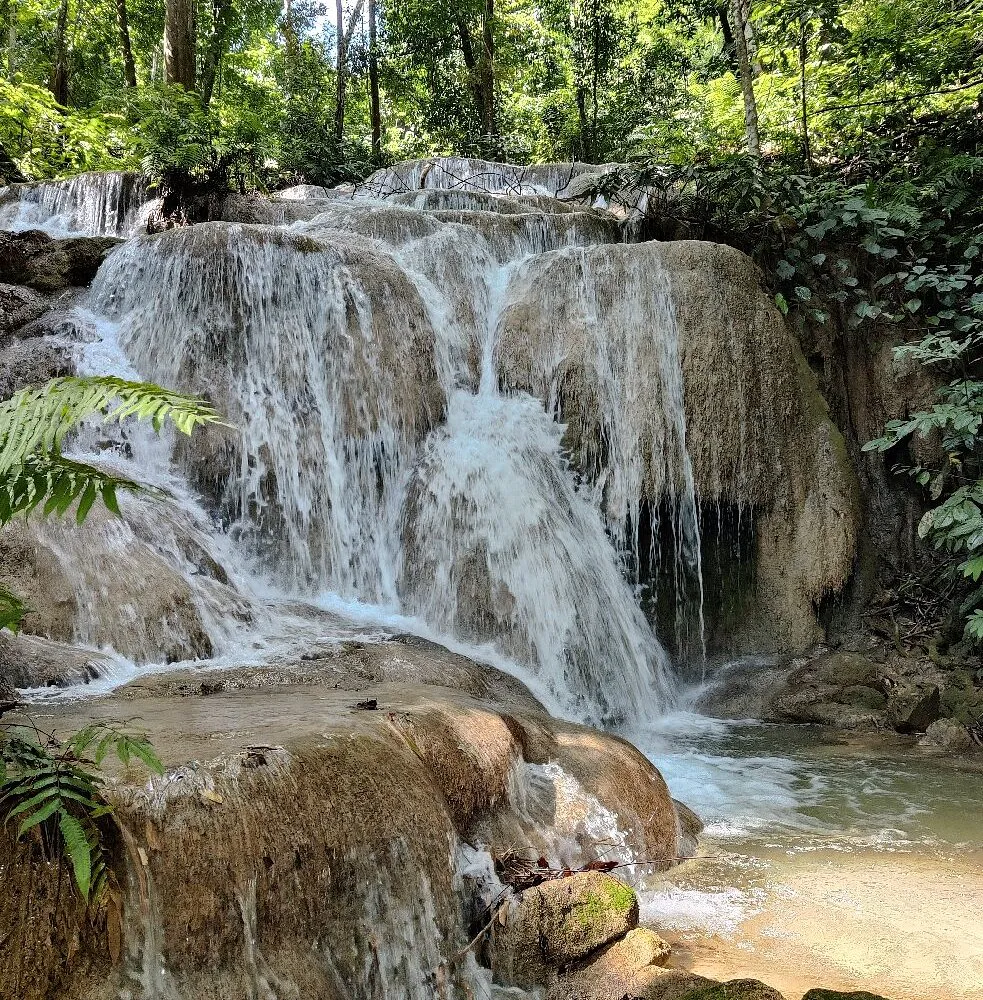
A quiet park of dry evergreen forest, year-round waterfalls, and giant interlocking sompong trees you can walk beneath. Than Sawan Falls is the emerald highlight — cool pools, soft current, and shade for a long northern afternoon.

Location · Chiang Muan District

Kwan Phayao

Kwan Phayao

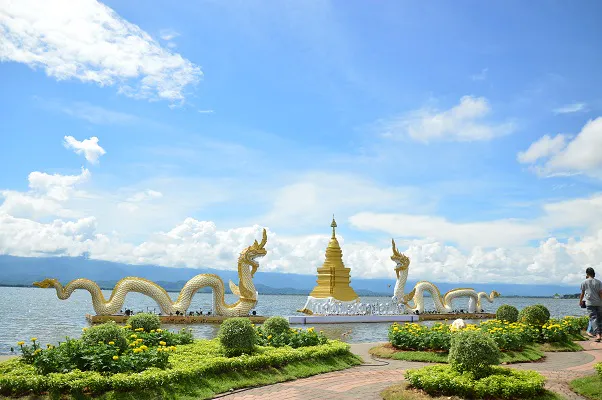
The largest freshwater lake in the upper north and the quiet heart of the province. Walk the shore at dusk, pause by the King Ngam Mueang monument, and watch the light melt behind Doi Luang — Phayao’s everyday ritual of calm.

Location · Mueang Phayao District

Magic Mountain

Magic Mountain

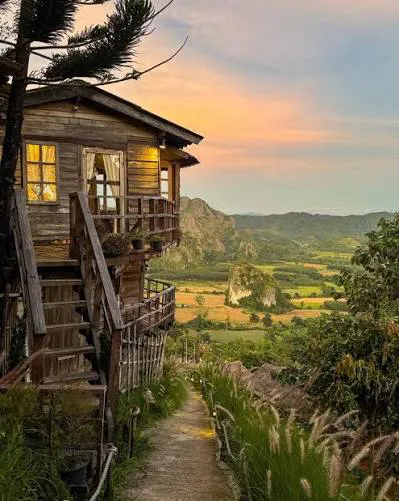
A tiny wooden cafe and two-room stay on the Pha Chang Noi viewpoint above Phu Langka. Hang your legs over the mist, order toast and a hot drink, and — if you book early — wake to a sea of fog from bed.

Location · Pong District

Phayao Cultural Exhibition Hall

Phayao Cultural Exhibition Hall

Beside Wat Si Khom Kham, this lakeside museum traces Phayao from the Ngam Mueang kingdom through Lanna Buddhism to life on Kwan Phayao. Come for the sandstone Buddha art, inscriptions, and a glass-walled room that frames the lake itself.

Location · Mueang Phayao District

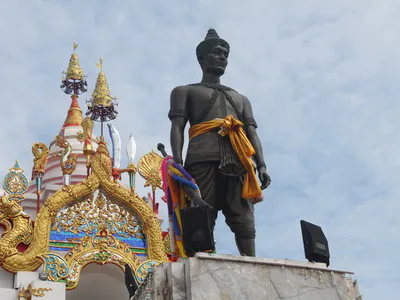
Pho Khun Ngam Mueang Monument

Pho Khun Ngam Mueang Monument

A bronze lakeside tribute to Phayao’s legendary ninth king — the ruler who sealed the three-king alliance with Mangrai and Ram Khamhaeng. Free, open, and best at late afternoon when locals walk the shore and the light softens over the water.

Location · Mueang Phayao District

Phu Sang Waterfall

Phu Sang Waterfall

A single limestone fall of about 25 metres fed by Doi Pha Mon — unusual for its warm, clear water around 35°C, without the sulphur smell of hot springs. Soak in the green pools, then linger in Phu Sang National Park’s quiet forest setting.

Location · Phu Sang District

Wat Analayo Thipphayaram

Wat Analayo Thipphayaram

A sprawling hillside temple on Doi Butsarakham, looking back across Kwan Phayao. Naga stairways, Buddha images, and hillside pagodas make it one of Phayao’s most memorable temple walks — half pilgrimage, half panoramic escape.

Location · Mueang Phayao District

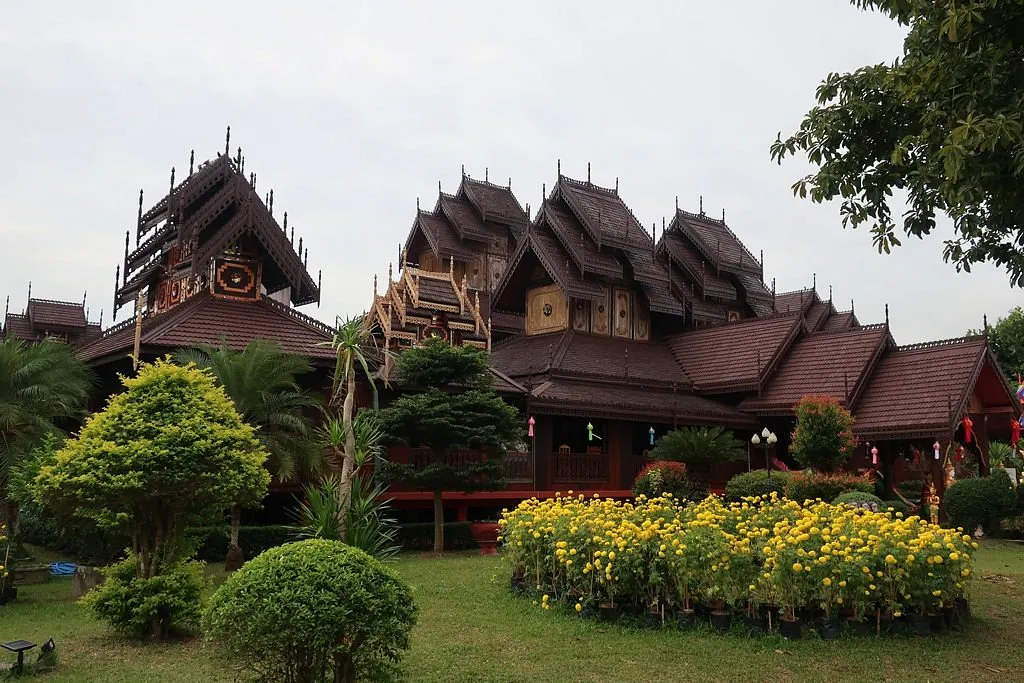
Wat Nantaram

Wat Nantaram

A Tai Yai community temple with a full teak viharn, layered wooden roofs, and intricate carved filigree. Inside, the light turns solemn and rich — one of Chiang Kham’s finest places to feel Shan craftsmanship up close.

Location · Chiang Kham District

Wat Phra Nang Din

Wat Phra Nang Din

Home to Phra Chao Nang Din, an ancient seated Buddha with no pedestal — resting directly on the earth. Locals treat it as a guardian of Chiang Kham; visitors come to pay respects and hear the quiet legend of the earth-bound Buddha.

Location · Chiang Kham District

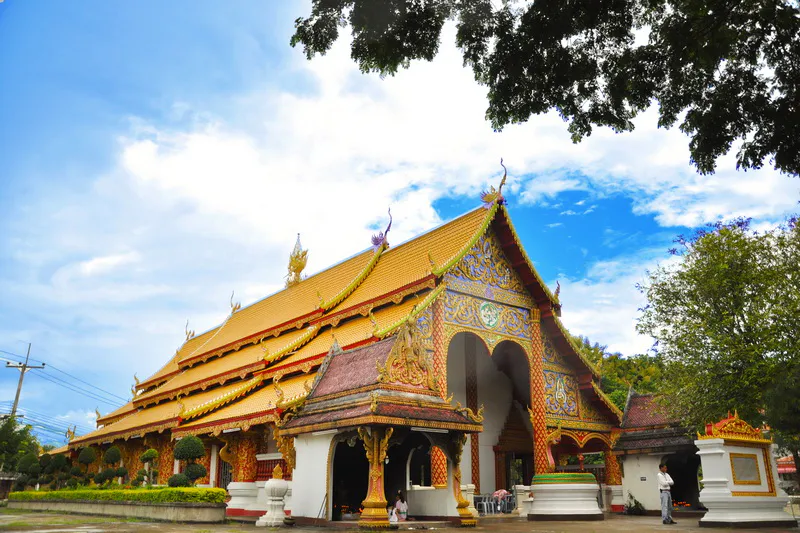
Wat Si Khom Kham

Wat Si Khom Kham

Phayao’s lakeside guardian temple and home of Phra Chao Ton Luang, the largest and oldest bronze Buddha image in the Lanna lands. The great viharn faces Kwan Phayao; every sixth lunar month the province gathers here to honour its sacred protector.

Location · Mueang Phayao District

Wat Tilok Aram

Wat Tilok Aram

A centuries-old temple half-submerged in Kwan Phayao — only the tip of the chedi breaks the water. Take a boat from the lakeside pier to pay respects on the floating platform; at sunset the ride alone is worth the journey.

Location · Mueang Phayao District

04

Local Flavours & Food

Lake Fish, Bitter Laab & Valley Heat

Phayao eats with Kwan Phayao at the centre — boneless pla som from the lake, bitter northern laab rooms, paddy-crab paste, herb sausage, and noodle counters that open before the mist lifts. Order these plates first, then chase a sunset table along the shore.

  1. Boneless fried pla somปลาส้มทอดไร้ก้างกว๊านพะเยา

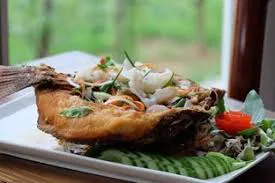
    Phayao’s edible emblem: lake fish fermented with rice and garlic, bones already pulled, then fried until the outside crisps and the centre stays sour-savoury. Eat with sticky rice and raw greens — or buy vacuum packs for the drive home.

  2. Northern laab & laab khomลาบเหนือ · ลาบขม

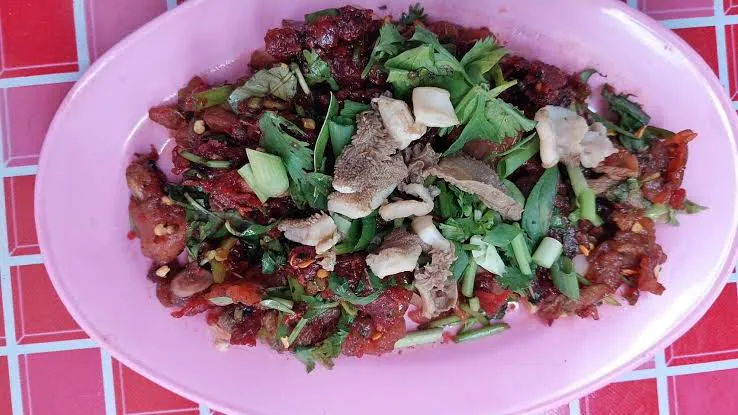
    Not Isaan laab. Phayao’s northern style rides a toasted spice paste — makhwaen, galangal, dried chilli — often finished darker and more bitter. Ask for your heat and bitterness; share with a heap of raw mountain herbs.

  3. Nam puน้ำปู

    Dark paddy-crab paste pounded with lemongrass and herbs, then simmered until thick. One spoon lifts chilli dips, bamboo curry, and green-fruit salads — a Phayao taste that still smells like the valley floor.

  4. Sai uaไส้อั่ว

    Northern herb sausage loud with lemongrass, makhwaen, and chilli. Phayao’s versions hold their own beside the rest of the north — grill it for the table, or pack vacuum-sealed coils for later.

  5. Gaeng omแกงอ่อม

    A herbal northern stew of meat, vegetables, and fragrant leaves — lighter than coconut curry, built for sticky rice. Homely Phayao comfort when you want green heat without a heavy gravy.

  6. Jin som / naem nueaจิ้นส้ม · แหนมเนื้อ

    Fermented beef or buffalo in the northern style — firmer, leaner, and deeper than pork naem. Eat with chillies and herbs, steam it into eggs, or cook it through while the sour still sings.

  7. Chiang Kham kalamaeกาละแมโบราณเชียงคำ

    Sticky-rice candy stirred with coconut cream and cane sugar, coloured naturally from burnt coconut husk — soft through the whole piece. Tai Lue wisdom from Chiang Kham; keep it cool so the chew stays kind.

Where to Eat

Tables Worth the Detour

Lakeside sunsets, bitter northern laab rooms, noodle counters, and quiet cafés — listed A to Z.

Ancharoen Noodle Shop

Ancharoen Noodle Shop

Daily

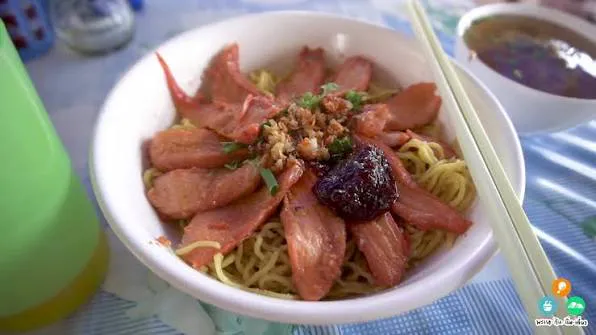
A local noodle counter for clear-broth and tom-yum bowls that keep Phayao mornings moving.
Go early for an easy seat; pair a hot bowl with the lake walk afterward.

Location · Mueang Phayao District

Aurora Kitchen

Aurora Kitchen

Daily

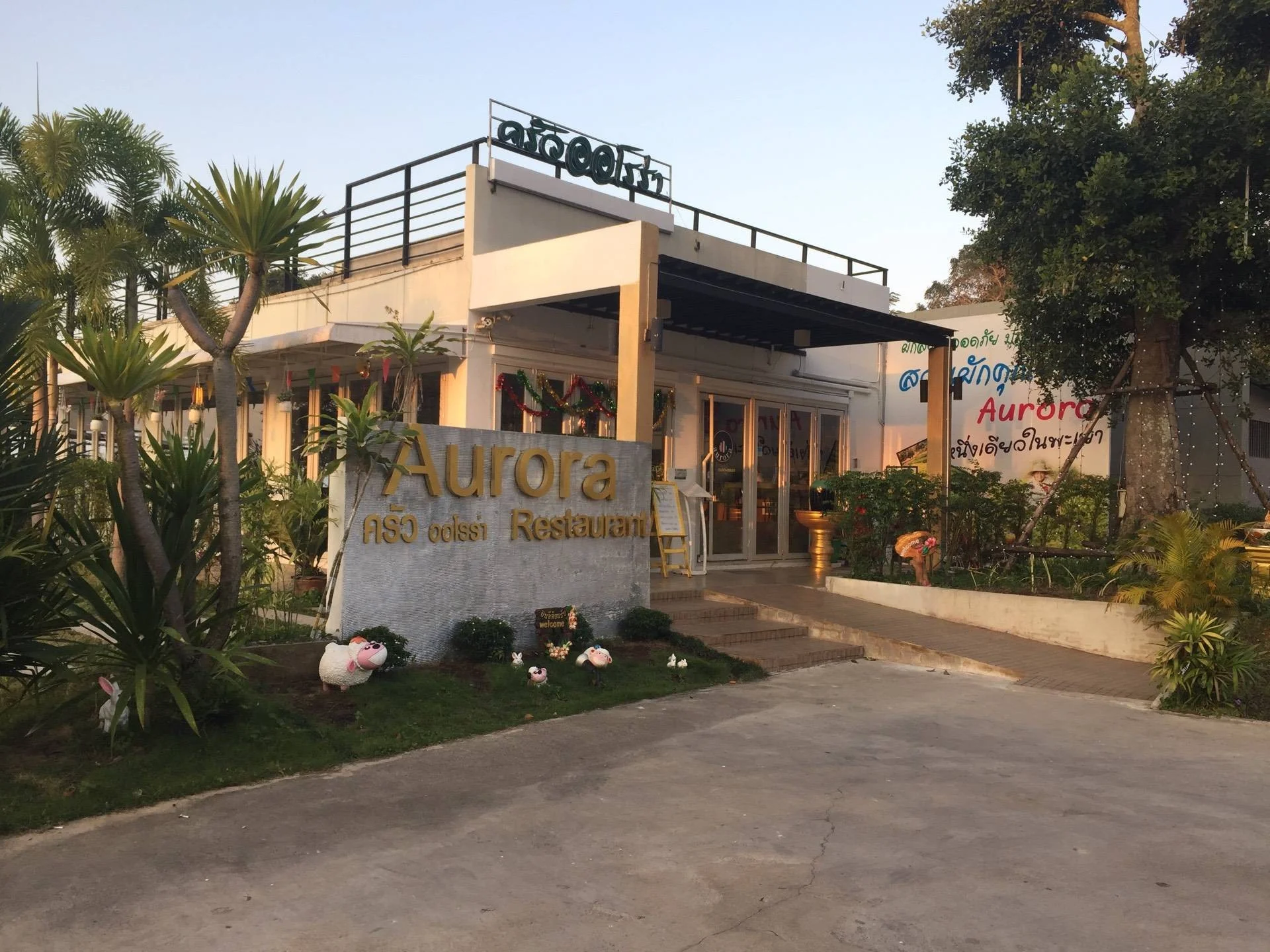
A Kwan Phayao favourite for Thai plates, steaks, and sunset tables over the water — indoor rooms plus outdoor seats when the sky turns gold.
Book a lakeside table if you can; this is the dinner travellers time for the light.

Location · Mueang Phayao District

Chidlom Chom Kwan

Chidlom Chom Kwan

Daily

Palm-framed lawn tables facing Kwan Phayao — Thai and lakeside dining as the sun drops behind Doi Luang.
Come for the view as much as the plates; golden hour fills fast on cool-season evenings.

Location · Mueang Phayao District

Klang Tong Noodles

Klang Tong Noodles

Daily

A town noodle stop for everyday Phayao bowls — clear broth, tom yum, and the kind of lunch locals finish before the heat builds.
Simple, fast, and useful when you want noodles without a long lakeside sit.

Location · Mueang Phayao District

Krua Khun Ji

Krua Khun Ji

Daily

A compact local kitchen for Thai and northern plates close to town errands.
Handy when you want a quiet, no-fuss meal between temples and the lake path.

Location · Mueang Phayao District

Laab Khom Lung Rob

Laab Khom Lung Rob

Daily

A northern laab house built for bitter heat — laab khom, luu, and herb-loud plates with sticky rice and raw greens.
Ask how bitter you want it; this is Phayao eating the Lanna way.

Location · Mueang Phayao District

Laab Mae Chantra

Laab Mae Chantra

Daily, 10:30–20:00

A San Pa Muang favourite for northern plates at neighbourhood prices — laab khom, saa, gaeng om, jin nueng, and house nam prik laab.
Locals queue for value and flavour; come hungry and share sticky rice.

Location · Mueang Phayao District

Mr. Popeye Cafe

Mr. Popeye Cafe

Daily

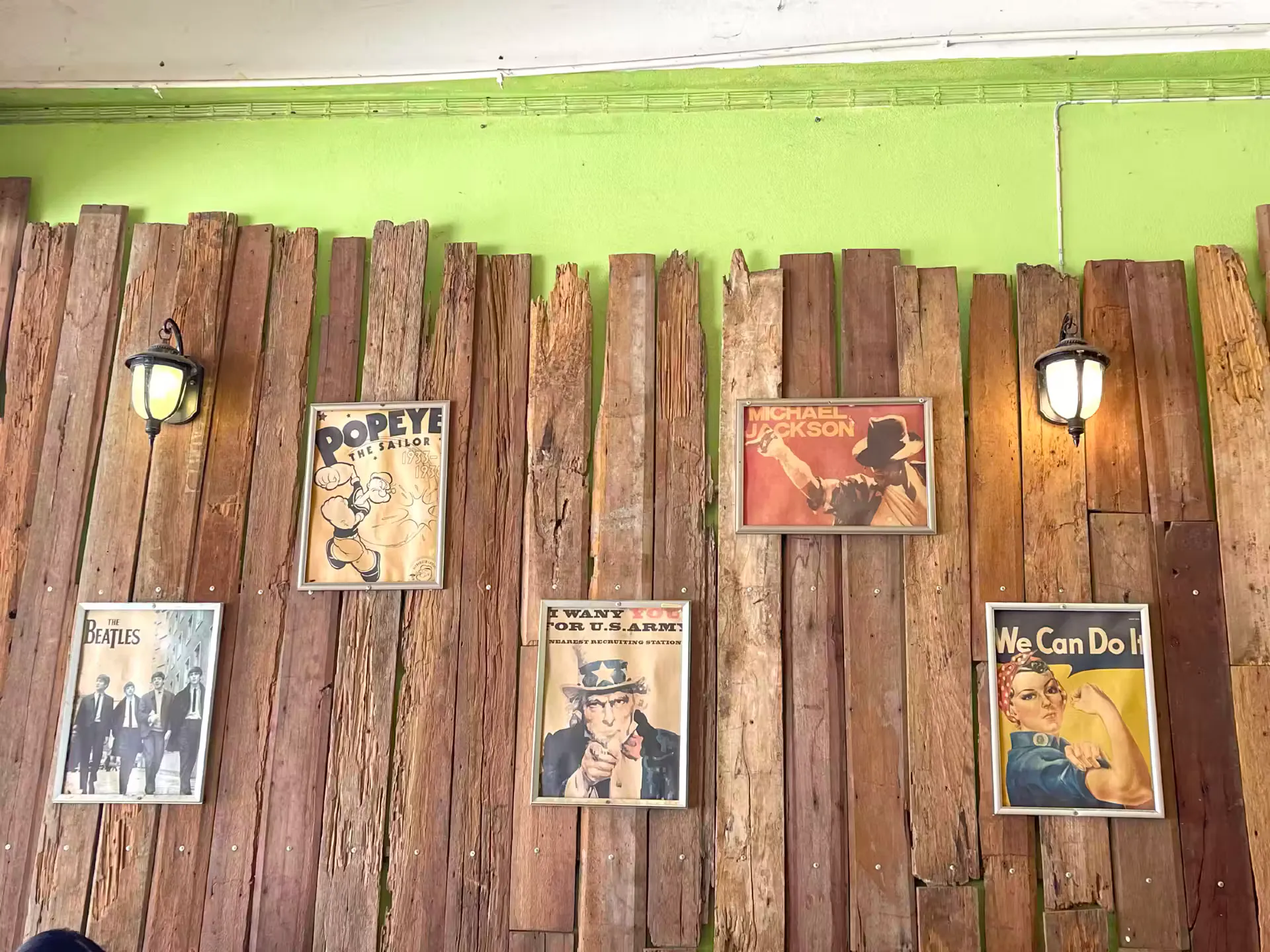
A vintage-wall café for coffee, easy bites, and a slower sit between lake walks and temple stops.
Useful when you want air-con, sweets, and a break from full northern heat.

Location · Mueang Phayao District

Rim Ing Cafe Phayao

Rim Ing Cafe Phayao

Daily

A café stop near the Ing River valley mood — drinks, light plates, and a pause before you chase Phu Langka or the shore path.
Good for morning coffee or an afternoon cool-down.

Location · Mueang Phayao District

Saengchan Restaurant

Saengchan Restaurant

Daily

A local Thai table for everyday plates when you want something quieter than the lakeside dinner scene.
Solid for lunch after Wat Si Khom Kham or a market morning.

Location · Mueang Phayao District

Sweet Cycle

Sweet Cycle

Daily

A modern coffee shop for cakes, cold brews, and an easy town reset between attractions.
Stop when you need Wi-Fi, sweets, and a clean counter away from the lake crowds.

Location · Mueang Phayao District

05

Souvenirs from Phayao

Lake Fish, Crab Paste & Soft Black Kalamae

Phayao packs the lake into jars and the hills into candy. Boneless pla som from Kwan Phayao, dark nam pu simmered down from paddy crabs, Chiang Kham’s sticky black kalamae, and herb-loud laab spice — plus a famous tamarind scrub and woven water-hyacinth baskets when you want something that is not edible. Fill the cooler first, then leave room for a jar that still smells like the valley.

  • Boneless pla som from Kwan Phayaoปลาส้มไร้ก้างกว๊านพะเยา The province’s edible emblem — lake fish fermented with rice and garlic, bones already pulled so the bag travels cleanly. Fry it, scramble it into eggs, or pack vacuum packs for home. Look for OTOP names with roots along the shore.
  • Nam puน้ำปู Dark, concentrated paddy-crab paste pounded with lemongrass and herbs, then simmered until thick and even. One spoon lifts chilli dips, bamboo curry, and green-fruit salads. San Salee in Mae Chai still carries a century of this craft.
  • Chiang Kham kalamaeกาละแมโบราณเชียงคำ Sticky-rice candy stirred with coconut cream and cane sugar, coloured naturally from burnt coconut husk — soft through the whole piece, not soft outside and tough inside. Tai Lue wisdom from Chiang Kham; keep it cool and out of the fridge so the chew stays kind.
  • Sai uaไส้อั่ว Northern herb sausage loud with lemongrass, makhwaen, and chilli. Phayao’s versions hold their own beside the rest of the north — vacuum-sealed packs for the bag, and keto batches if you ask around.
  • Nam prik laabน้ำพริกลาบ Ready-to-cook northern laab spice, toasted with makhwaen, galangal, and dried chilli. An OTOP favourite from Phu Kam Yao — stir through minced meat at home, or use as a dry rub and tom-saep base.
  • Nam prik pla somน้ำพริกปลาส้มไร้ก้าง Boneless fermented fish fried dry with chilli, shallot, and garlic — the lake’s sour-savoury gift in a jar. Spoon over hot rice or thin with lime and fish sauce for a looser dip. Shelf-stable and built for travellers.
  • Naem nuea — jin somแหนมเนื้อ · จิ้นส้ม Fermented beef or buffalo in the northern style — firmer, leaner, and deeper than pork naem. Eat with chillies and herbs, or cook it through; best within the first fortnight while the sour still sings.
  • Longan crispy noodlesหมี่กรอบลำไย Phayao’s orchard fruit dried and tumbled through crisp noodle strands — gently sweet, lightly aromatic, and easy to share on the drive home. A snack that tastes like the province’s longan hills.
  • Crispy banana chipsกล้วยกรอบ Thin-fried golden bananas from local plantations — sweet or lightly salted butter-salt versions that stay crisp without artificial colour. A light bag for anyone who prefers snacks over spice.
  • Mae Saeng Dee tamarind scrubครีมมะขามขัดผิวแม่แสงดี Phayao’s famous herbal body scrub — wet tamarind with ground Arabica for gentle exfoliation and a real coffee scent. Use once or twice a week, avoid strong sun afterward, and moisturise well.
  • Water-hyacinth basketsตะกร้าผักตบชวา Woven houseware from a fast-growing water weed turned into useful craft — baskets and trays with clean local design. The non-edible souvenir that still belongs to Phayao’s wetlands.

06

Local Culture & Vibe

Candlelight on the Water & Lanna Faith

Phayao’s culture still moves with the lake. Lanna devotion, community memory, and the quiet pull of Kwan Phayao shape the year — boats circling a half-submerged temple, morning mist carrying a great alms bowl, and crowds gathering for Phra Chao Ton Luang. Come for a rite and you meet the province at its most itself: faithful, unhurried, and bound to the water.

  • Candlelight Circumambulation on Kwan Phayaoเวียนเทียนกลางน้ำกว๊านพะเยา A rite found nowhere else in the same form — held three times a year on Magha Puja, Visakha Puja, and Asalha Puja. Devotees board boats and circle Wat Tilok Aram, the centuries-old temple rising from the lake, candles glowing over dark water.
  • Paet Peng — Paying Homage to Phra Chao Ton Luangแปดเป็ง ไหว้สาปูจาพระเจ้าตนหลวง On the full moon of the eighth northern month — around Visakha — Phayao gathers to honour Phra Chao Ton Luang, the great bronze Buddha of Wat Si Khom Kham and guardian of the city. Expect alms-giving, processions of offerings from every district, and a night of Lanna colour by the shore.
  • Homage to Pho Khun Ngam Mueangบวงสรวงพ่อขุนงำเมือง Every 5 March at the lakeside monument plaza — a day of respect for the legendary king of Phu Kam Yao, ally of Mangrai and Ram Khamhaeng. The city remembers its independent past where the bronze figure still faces the water.
  • Great Alms Bowl Procession on the Lakeตักบาตรหลวงล่องกว๊านพะเยา A misted morning on Kwan Phayao: paddled boats carry a great Lanna alms bowl of new rice from Wat Tilok Aram toward Wat Si Khom Kham. The rite keeps the northern custom of tan khao mai — offering the first rice of the season — alive on the water.
Phayao culture

07

Travel Info & Getting There

Plan Your Journey

How to reach Phayao from Bangkok, and how to move around once you arrive.

From Bangkok

By air

Phayao has no commercial airport. The fastest fly-and-drive is Mae Fah Luang–Chiang Rai (CEI) — about 1 hour 20 minutes from Bangkok, then roughly 90–100 km south on Highway 1 into town (about 1–1.5 hours by car, taxi, or connecting bus). Lampang (LPT) and Chiang Mai (CNX) work as backups if those fares are better; rent a car at the airport if Phu Langka and Chiang Kham are on your list.

By train

There is no passenger railway into Phayao. Ride the Bangkok–Chiang Mai line to Lampang or Den Chai (Phrae), then continue by bus or hired car north into the lake valley — roughly 1.5–2.5 hours depending on the station. Special Express 7 and overnight sleepers into Lampang or Den Chai remain the classic rail-and-road combo; book second-class sleepers ahead in cool season.

By bus

Overnight coaches from Bangkok’s Mo Chit 2 (Chatuchak) are the simplest door-to-door option — about 690 km and roughly 9–11 hours into Phayao Bus Terminal in the town centre. Sombat Tour, Thai Bus, Cherdchai, and Budsarakham are among the regulars; evening departures land around dawn. From Chiang Mai, Chiang Rai, Phrae, or Nan, Green Bus and regional coaches run through Phayao all day — easy if you are already hopping the upper north.

Getting around

Around Kwan Phayao the town is compact — temples, cafes, and the lakeside path work well on foot or by rented bicycle, especially at dusk. Songthaews from near the bus terminal cover Mae Chai, Chiang Kham, and other districts; Grab can be thin. For Doi Phu Langka, Phu Sang, and the national parks, rent a car or scooter, or hire a local driver — those roads reward patience more than speed.

Best time to visit

November to February is classic Phayao: cool lake evenings, clear mountain light, and sea-of-mist mornings on Phu Langka. Candlelight on the water falls on Magha, Visakha, and Asalha Puja; Paet Peng gathers around Visakha; Ngam Mueang Day is 5 March. March–April can turn hot and hazy in burning season; May–October greens the parks, softens the crowds, and still suits quiet lakeside days after rain.

Continue the Journey

Nearby Provinces