
Chiang Khanเชียงคาน
Loei’s classic Mekong town — wooden shophouses, a riverside walking street, sticky-rice alms at dawn, and slow evenings by the water. Stay in a timber house, bike the embankment, and watch Laos light up across the current.

 ThailandLover
Contact
01
Geography & Climate
Loei sits in upper northeastern Thailand — about 11,425 square kilometres and roughly 520 kilometres from Bangkok by road. Laos’s Xaignabouli and Vientiane provinces lie to the north across the Hueang and Mekong; Nong Khai, Udon Thani, and Nong Bua Lamphu open to the east; Khon Kaen and Phetchabun to the south; Phitsanulok to the west.
This is highland Isan more than open plateau. Fertile basins around Mueang Loei and Chiang Khan sit inside rings of mountain; the west and south lift into Phu Ruea, Phu Luang, and Phu Kradueng — sandstone cliffs, pine, and seas of mist — while the Loei River drains toward the Mekong.
The climate is tropical monsoon with a real cool season by Thai standards. Rains usually settle from about May through October; November to February brings clear, chilly mornings on the peaks; March and April are the hot stretch in the valleys.
Best time: November – February for cool air, misty sunrise on Phu Ruea and Phu Kradueng, and easy Mekong walks in Chiang Khan; May – October for deep green forest and quieter green-season trails (check park closures on Phu Kradueng).

02
History & Heritage
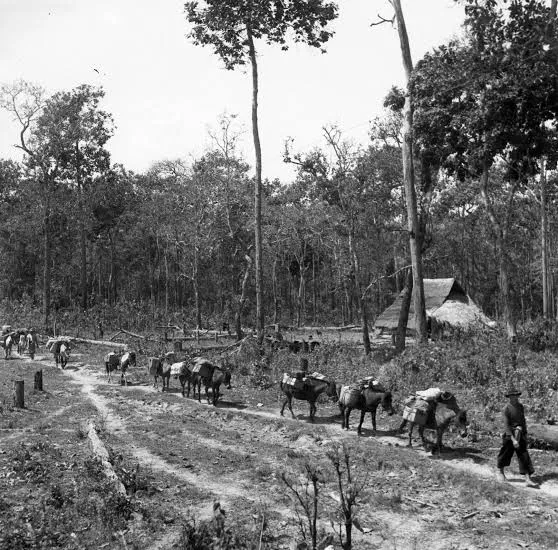
Loei’s story begins long before the provincial seal. Prehistoric colour paintings in Pak Chom and white sandstone sema stones in Wang Saphung mark early settlement on this mountain edge. In the Sukhothai age, Dan Sai stood as an eastern frontier mueang; later, in 1560 (B.E. 2103), under King Maha Chakkraphat of Ayutthaya, Phra That Si Song Rak was raised as a stupa of friendship between Ayutthaya and Lan Xang (Sri Satana Khanahut) — still one of Loei’s deepest heritage landmarks.
The modern town took shape under King Rama IV. In 1853 (B.E. 2396), as settlers gathered in the upper northeast, Phraya Thai Nam surveyed the land and chose Ban Hae beside Huai Nam Man and near the Loei River. Communities and satellite towns such as Kut Pong drew together around that riverside seat — the birth of Mueang Loei as travellers still find it.
Frontier politics and reform followed. After the 1893 (B.E. 2436) clash with France over the left bank of the Mekong and parts of Xaignabouli, the border hardened along the river. In 1897 (B.E. 2440) the Local Administration Act placed Loei under Monthol Udon (Monthol Lao Phuan), with early districts at Kut Pong, Tha Li, and Na Kok. On 4 January 1907 (B.E. 2450), the old district frame was dissolved, Kut Pong was renamed Mueang Loei, and the name and status of the city have continued to the present.
03
Top Attractions
Mist hills, Mekong towns, sandstone plateaus, and Dan Sai faith — places that shape a Loei journey, listed A to Z.
Loei’s classic Mekong town — wooden shophouses, a riverside walking street, sticky-rice alms at dawn, and slow evenings by the water. Stay in a timber house, bike the embankment, and watch Laos light up across the current.
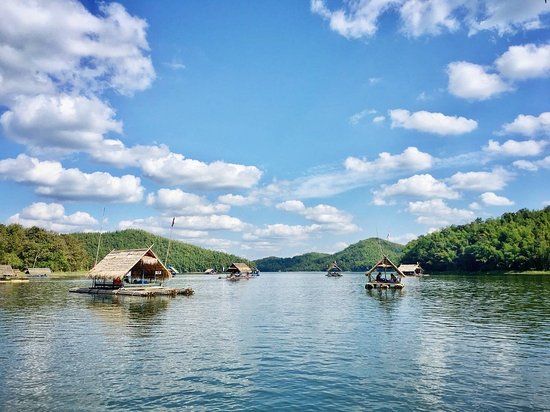
An emerald lake cupped by hills — bamboo rafts, Isan plates, kayaks, and pedal boats for an easy half-day. Come to close a mountain trip with still water and green ridges instead of another summit climb.
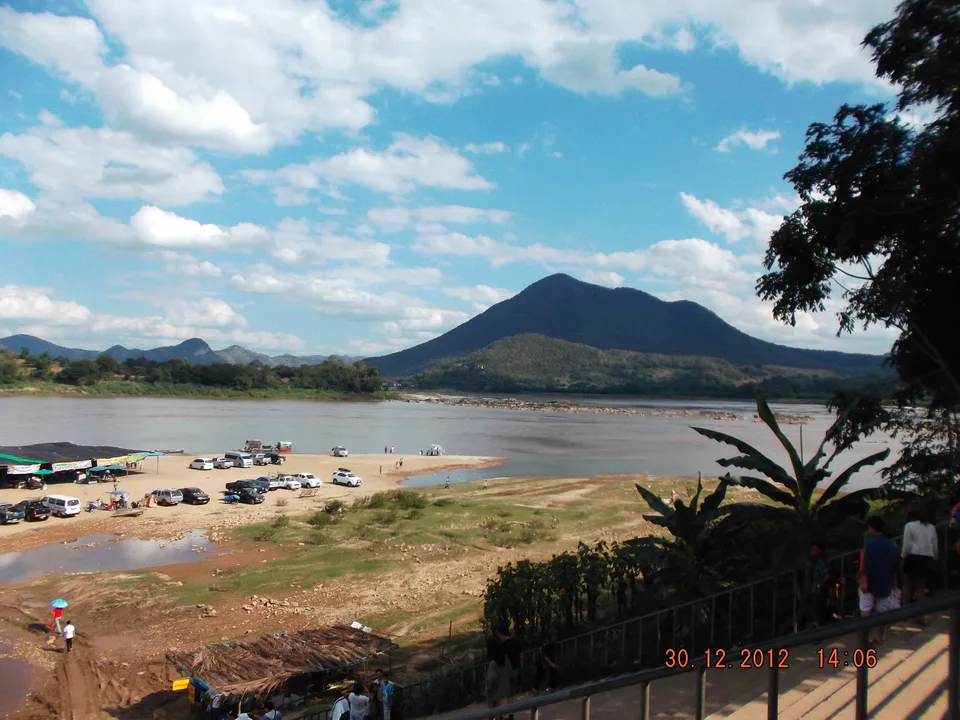
A broad Mekong rock bar east of Chiang Khan, best in the dry season when channels and sandbanks open. Shops, boat rides, and famous crystal-coconut candy stalls line the approach — an easy riverside stop with Lao hills as the backdrop.

A hairpin mountain road that curves like the numeral 9 — green slopes, misty mornings, and photo pull-offs every hundred metres. Drive slow, stop often, and catch the bend when fog softens the ridges.
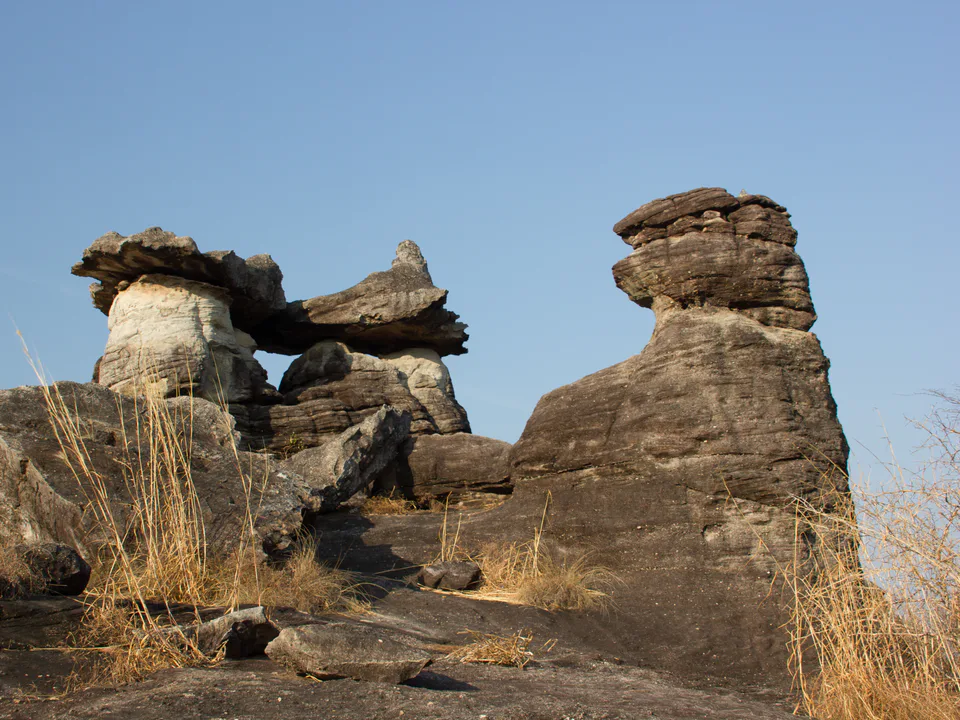
Locals call it Loei’s Kunming — limestone towers, small canyons, and walking trails through sculpted karst. An easy fantasy landscape for families and anyone who wants rock drama without a full trek.

A white Ayutthaya-era chedi raised in 1560 as a witness of friendship between Ayutthaya and Lan Xang. Quiet gardens, deep faith, and the spiritual heart of Dan Sai — especially charged around Bun Luang and Phi Ta Khon season.

A cliff-edge adventure viewpoint with a famous overhanging rock for heart-racing photos. Come at dawn for sea fog in the valleys, or stay for sunset when the Mekong rim turns gold.

Loei town’s closest mist hill — only a few kilometres from the centre, with a short walk to a near-360° deck. Dawn brings fog seas; evenings light the city below until about 19:30.

A newer ~500-metre border ridge with a wide Mekong panorama toward Laos. The highlight is fog that snakes along the valley floor at sunrise — a fresh check-in for sea-of-mist hunters.
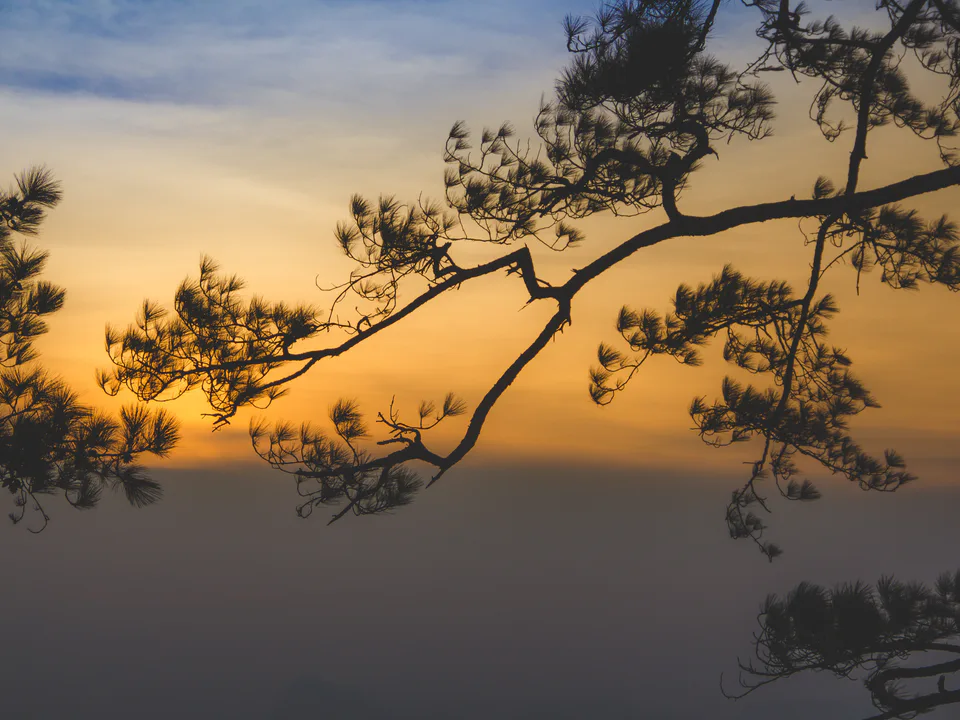
Thailand’s legendary sandstone plateau — about nine kilometres of trail, rest stops (sam), pine, grassland, and cliff viewpoints. Summit camping is the classic rite; the park usually closes June–September for forest recovery.

A Mekong-bend viewpoint on the Thai–Lao frontier. Hike up or ride a local e-taek truck for morning fog over the river curve and twin-bank hills — a newer Loei favourite that earned its buzz fast.

Thailand’s largest wild Himalayan cherry (nang phaya suea krong) hillside, on the Loei–Phitsanulok–Phetchabun rim of Phu Hin Rong Kla. Peak pink usually lands mid-January to early February; community trucks handle the steep approach.

A vast highland sanctuary — orchids, wild roses, and dinosaur footprints said to be more than 120 million years old. Nature trails suit different fitness levels; come for deep forest, not a casual roadside selfie stop.
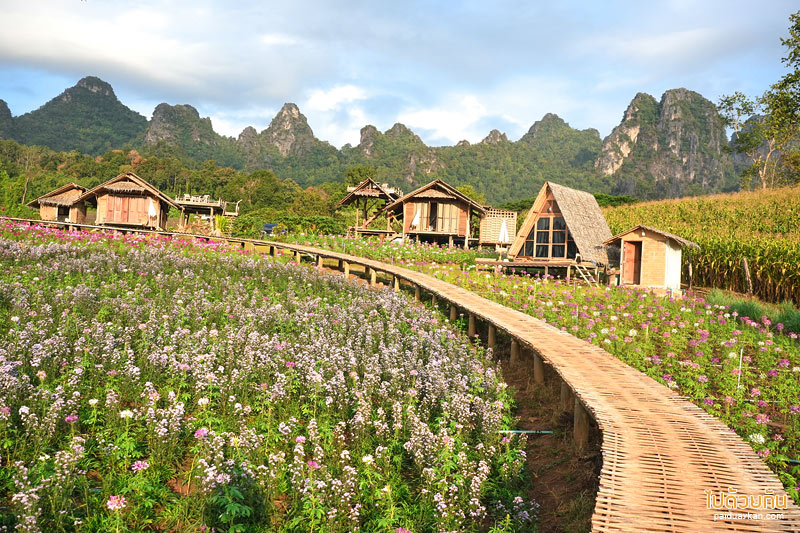
A Na Haeo panorama where the Loei River ribbons through green valleys like a blue silk thread. Soft morning mist and cool ridge wind make it a quiet alternative to the Chiang Khan viewpoint circuit.

About 900 metres up, with views toward Phu Ho — Loei’s “little Fuji” — plus three other lookouts. Village e-taek trucks spare the climb, so every age can collect the ridge without a hard trek.

In Isan, pok means bare-headed — an open summit with true 360° sky. No facilities; 4×4 access with a local driver only. For campers who pack everything and want raw highland quiet.
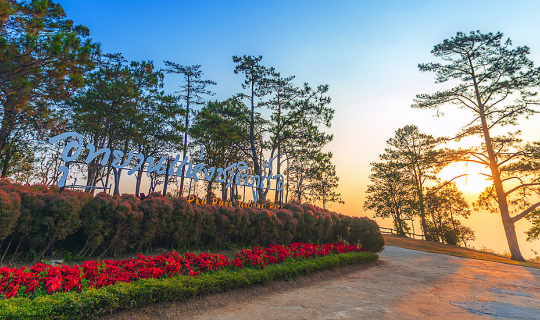
Cool-season favourite with easy access — mist viewpoints, waterfalls, the highland agricultural station’s winter blooms, and the famous red Christmas-tree pines. Shorter walks than Phu Kradueng, still pure Loei chill.

Sea-of-mist without the hard climb — an e-taek ride and a ~50-metre stroll to the rim. Cool air most of the year; on the right night, fog can linger from midnight into mid-morning.

Chiang Khan’s classic sunrise hill — a short hop from town for first light over a white fog sea. Late rainy season into early cool season often beats deep winter for thicker mist.
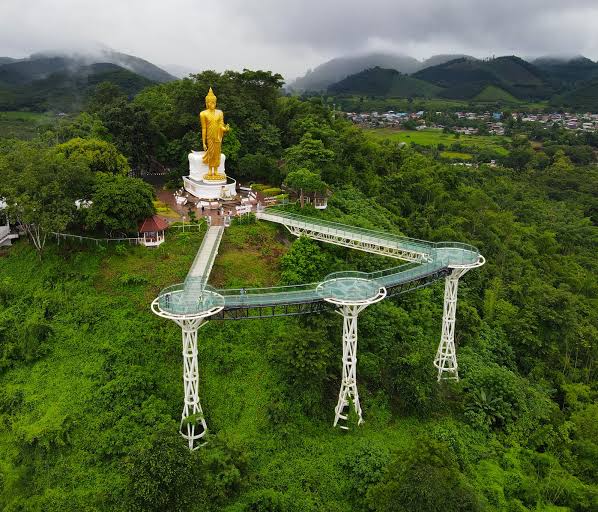
Also called Phu Khok Ngiw Skywalk — about 80 metres above the Mekong, with a ~100-metre glass walk and views where the Hueang meets the Mekong on the Thai–Lao border. Shuttle and shoe covers are usually bundled in the ticket.

Ban Na Pa Nat keeps Tai Dam timber houses, indigo dress, hand-weaving, and living culture shows. Come for craft, photographs, and a quieter cultural chapter beside Chiang Khan’s river scene.
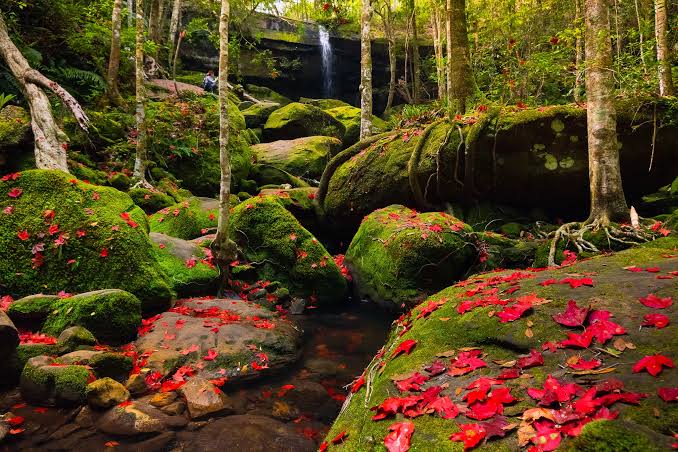
A short jungle walk in Phu Luang country to multi-tier clear falls and a cave bonus. Best after rain when the forest is loud with water — pack shoes that can get wet.

Home of Phra That Sajja — a gleaming golden chedi set against mountain green. A calm merit stop that pairs well with Chiang Khan’s Mekong day, especially when afternoon light hits the spire.

Hilltop temple with a sacred Buddha footprint on rock and wide views over Chiang Khan. Locals come for blessings tied to the “silver buffalo” name — quiet faith plus a high Mekong lookout.
04
Local Flavours & Food
Loei eats between cool highland air and the Mekong — river fish cha and tom yum, Chiang Khan’s Luang Prabang–rooted kitchens, fiery Isan trays on the Phu Ruea road, and garden cafés when the mist day needs a soft landing. Start with the ten tables below; hours can change, so check before you go.
Where to Eat
Mekong fish houses, Luang Prabang–Chiang Khan kitchens, mountain Isan trays, and garden cafés — Loei’s tables, listed A to Z. Hours can change; tap Location for the latest pin.
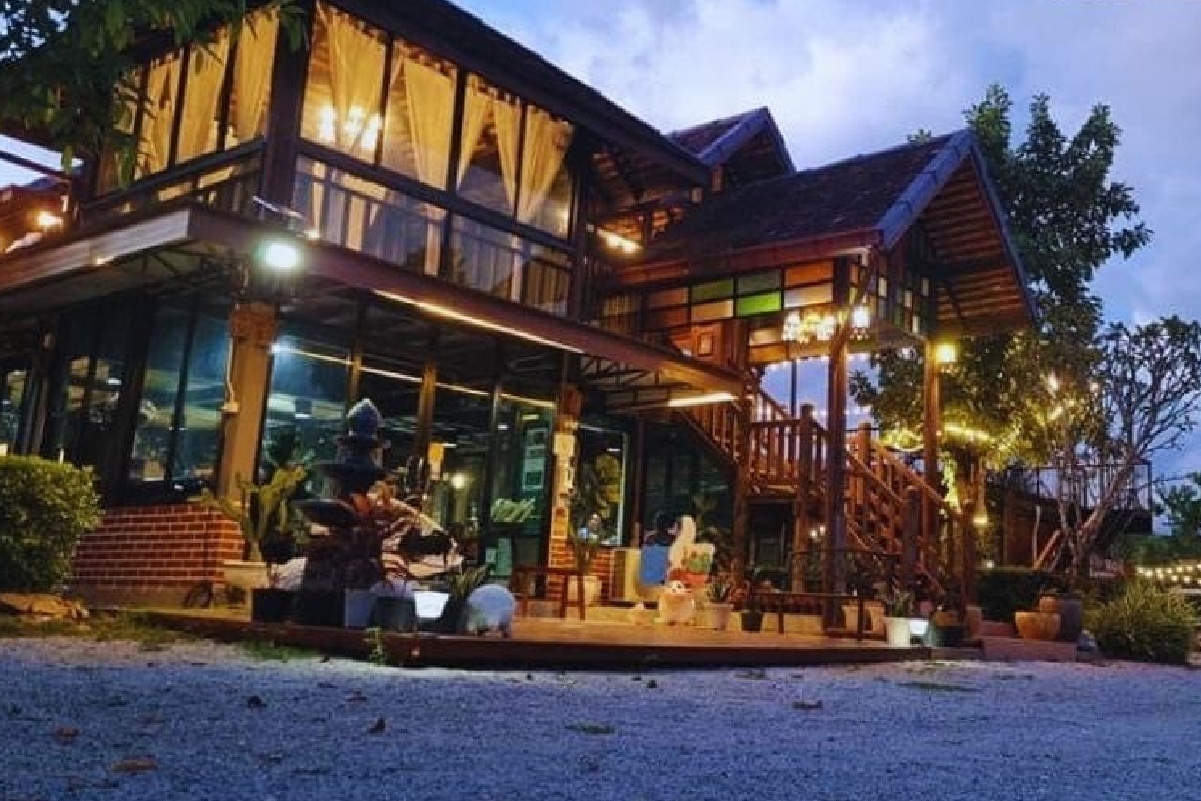
A warm Thai house with organic greens grown behind the kitchen — Mekong pla khang, Mahachai seafood when the catch is good, and classic Thai plates in Benjarong bowls.
Come for old-recipe fish with local jaew and seasonal farm produce when you want a slower town lunch.
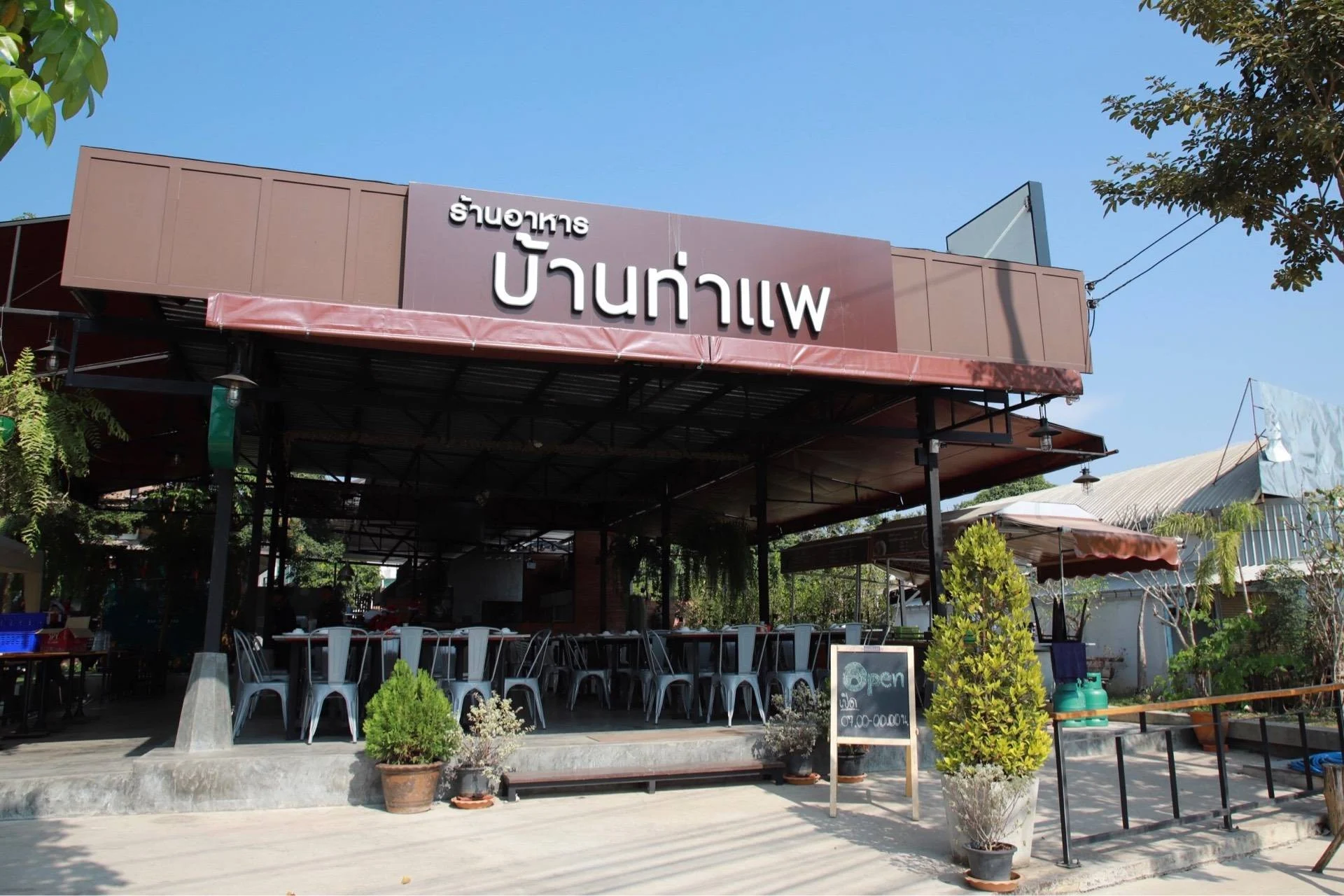
A shady old-Thai garden kitchen known for Ban Tha Phae miang — a single bite of mixed herbs — plus salt-fried prawns, sea-bass sour curry with coconut, and grilled fermented-pork neck stir-fried with shrimp paste.
Order the miang first; it is the house signature that locals send visitors to try.

Open-air Mekong tables and a kitchen rooted in a Luang Prabang family line — the house that helped define Chiang Khan’s borderland taste.
Order tam Luang Prabang, spice-fried fermented fish, pork noodle soup simmered sweet and deep, or pad woon sen Luang Prabang while river wind moves through the room.

A cool-air stop on the Phu Kradueng road — cockle miang, spicy wild-boar stir-fry, lemongrass prawn yum, and hotpot egg custard when the mountain day needs a proper meal.
Park here before or after the plateau; the garden tables feel made for tired hikers.

Loei’s big garden room guarded by twin elephant statues — Thai, local Loei, and a few international plates under trees or in air-con halls.
Signature Mekong fish cha stir-fry, thick tom yum pla nam khong, and Luang Prabang glass-noodle stir-fry keep tour groups and locals coming back.
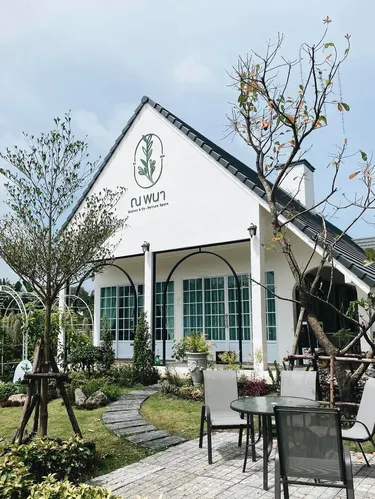
A garden bistro built by a Bangkok engineer who swapped the city for Loei green — fried cheese balls, carbonara, roti with chicken massaman, and light Taiwanese milk tea or chrysanthemum.
Come when you want a soft café pause between mist hills and town heat.
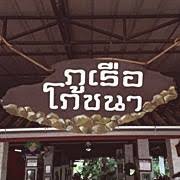
A wide roadside kitchen on the Phu Ruea–Dan Sai corridor — roomy, breezy, and priced for both travellers and locals.
Share a fiery Isan som-tam tray, herb fried chicken, and fresh-prawn gaeng liang when the highland drive needs a proper sit-down meal.
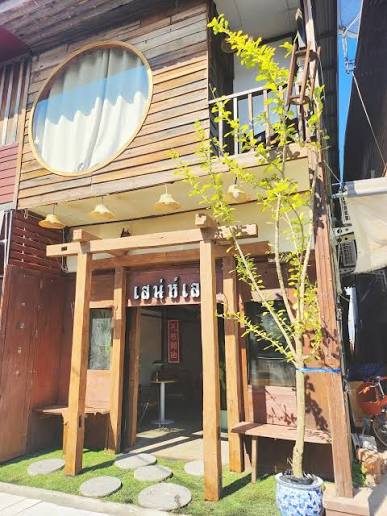
A restored two-storey wooden house that mixes homestay, café, and dinner tables facing the Mekong.
Breakfast means hot rice porridge, pan eggs, toast, and coffee; evenings turn into a small riverside kitchen for sunset over the Lao bank.
Location · Si Chiang Khan / Mekong riverside, Chiang Khan District

A compact Mekong house with dishes shaped by a Le Cordon Bleu Dusit-trained hand — Chiang Khan olive jaew tam and layered Mekong-fish laab among the signatures.
Expect mid-range prices with river air; book or arrive early on cool-season weekends.
Location · 23/3 Moo 1, Soi 2, Mekong Rd, Chiang Khan District
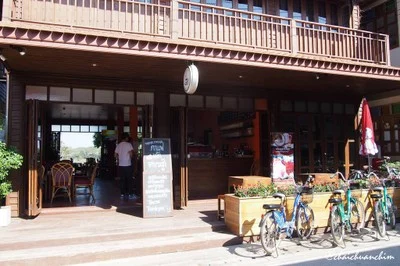
Walking-street frontage, Mekong backyard — a modern-homestay café between Chiang Khan’s day and night.
Pause for a hot latte and the house cheesecake between wooden-house photos and evening sticky-rice alms plans.
05
Souvenirs from Loei
Loei packs the Mekong sweet shop, the Dan Sai mask-maker’s bench, and the cool highland orchard into one bag — Chiang Khan crystal coconut candy first, then tamarind, instant khao piak, peppery mu yo, and fierce nam prik maeng da for the pantry, plus Phi Ta Khon masks and soft Chiang Khan cotton when you want something that is not edible. Fill sealed snacks carefully; leave room for a mask or quilt you will actually keep.
06
Local Culture & Vibe
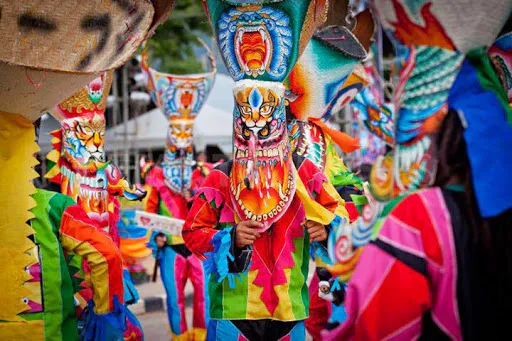
Loei’s year still turns on Isan merit and mountain humour — ghost masks at Dan Sai, water spirits thanking the buffalo, a white chedi of Ayutthaya–Lan Xang friendship, century-old flower trees at Songkran, and a winter fair of cotton and sweet tamarind in front of the Provincial Hall. Come for a festival weekend and you meet cool-highland Loei at its most itself: devout, playful, and proud of every rite.
07
Travel Info & Getting There
How to reach Loei from Bangkok, and how to move around once you arrive.
Fly into Loei Airport (LOE) from Bangkok’s Don Mueang (DMK) — Thai AirAsia and Nok Air share the corridor when schedules run, about 1 hour 10 minutes gate to gate. The airport sits only about 5–7 kilometres from Mueang Loei (roughly 15 minutes by taxi, songthaew, or rental car), so you can be on a mist-road or in Chiang Khan the same morning. Flights are few each day — book early for cool-season weekends, Phi Ta Khon, and Phu Kradueng peak months.
About 520–580 kilometres from Bangkok — roughly 7–9 hours in ordinary traffic, longer with viewpoint stops. Two classic spines: the Mittraphap run (Highway 1 to Saraburi, Highway 2 through Nakhon Ratchasima and Khon Kaen, then north via Udon Thani into Loei) for wide, easy motorway; or the hillier Highway 21 corridor through Phetchabun / Lom Sak toward Dan Sai and Phu Ruea when you want forest and park gates on the way. Once inside the province, Highway 201 links town with Phu Kradueng (~70 km) and Chiang Khan (~50 km); Highway 21 continues toward Phu Ruea and the western ridges.
There is no passenger railway into Loei. Ride from Krung Thep Aphiwat to Udon Thani (~8 hours) or Khon Kaen (~6–7 hours) on the Northeastern Line, then continue by coach or hired car — Udon to Loei is about 150 km and roughly 2.5–3 hours; Khon Kaen is a longer road hop. Overnight sleepers plus a morning bus remain the classic rail-and-road combo if you prefer not to fly.
The simplest door-to-door ride: coaches from Bangkok’s Mo Chit 2 (Chatuchak) cover about 520–550 kilometres in roughly 8–10 hours and roll into Loei Bus Terminal in town — some services continue toward Chiang Khan. Transport Co (999), Air Muang Loei, Phu Kradueng Tour, Cherdchai, and other VIP operators share the corridor; evening departures that land at dawn are the classic mountain arrival. Book ahead for Phi Ta Khon (June–July), cool-season holidays, and Phu Kradueng opening weekends. Regional coaches also link Loei with Udon Thani, Khon Kaen, Phitsanulok, and Phetchabun.
Mueang Loei’s centre is compact enough for short songthaew and motorbike-taxi hops; Grab can be thin, so ask your hotel to call a car. For Chiang Khan, Phu Ruea, Phu Bo Bit, and the Mekong viewpoints a rented car or hired driver saves the day — mist hills sit in opposite corners of a large province. Scooters suit Chiang Khan’s walking street and riverside; 4×4 or community trucks are the rule for Phu Lom Lo and some ridge check-ins. Phu Kradueng is a hike, not a drive to the summit — start early, book camping when required, and remember the usual June–September forest-recovery closure.
November to February brings Loei’s famous cool air — mist dawns on Phu Ruea and Phu Thok, easy Chiang Khan walks, and peak season on Phu Kradueng (open roughly October–May). Mid-January to early February is wild-cherry time on Phu Lom Lo and the Cotton Blossom & Sweet Tamarind Fair in town. March–April is hottest in the valleys; May opens Phi Khon Nam and the Phra That Si Song Rak worship; June–July is Bun Luang & Phi Ta Khon in Dan Sai — book rooms early. Green season (May–October) deepens the forest; check Phu Kradueng’s annual closure before you plan the plateau climb.
Continue the Journey