ThailandLover Contact

พระนครศรีอยุธยา

Ayutthaya

The Old Capital

An island city where the Chao Phraya, Pa Sak, and Lopburi rivers meet, Ayutthaya is Central Thailand’s old capital — UNESCO temple ruins rising from rice-plain light, a short journey north of Bangkok.

01

Geography & Climate

Four Rivers on the Chao Phraya Plain

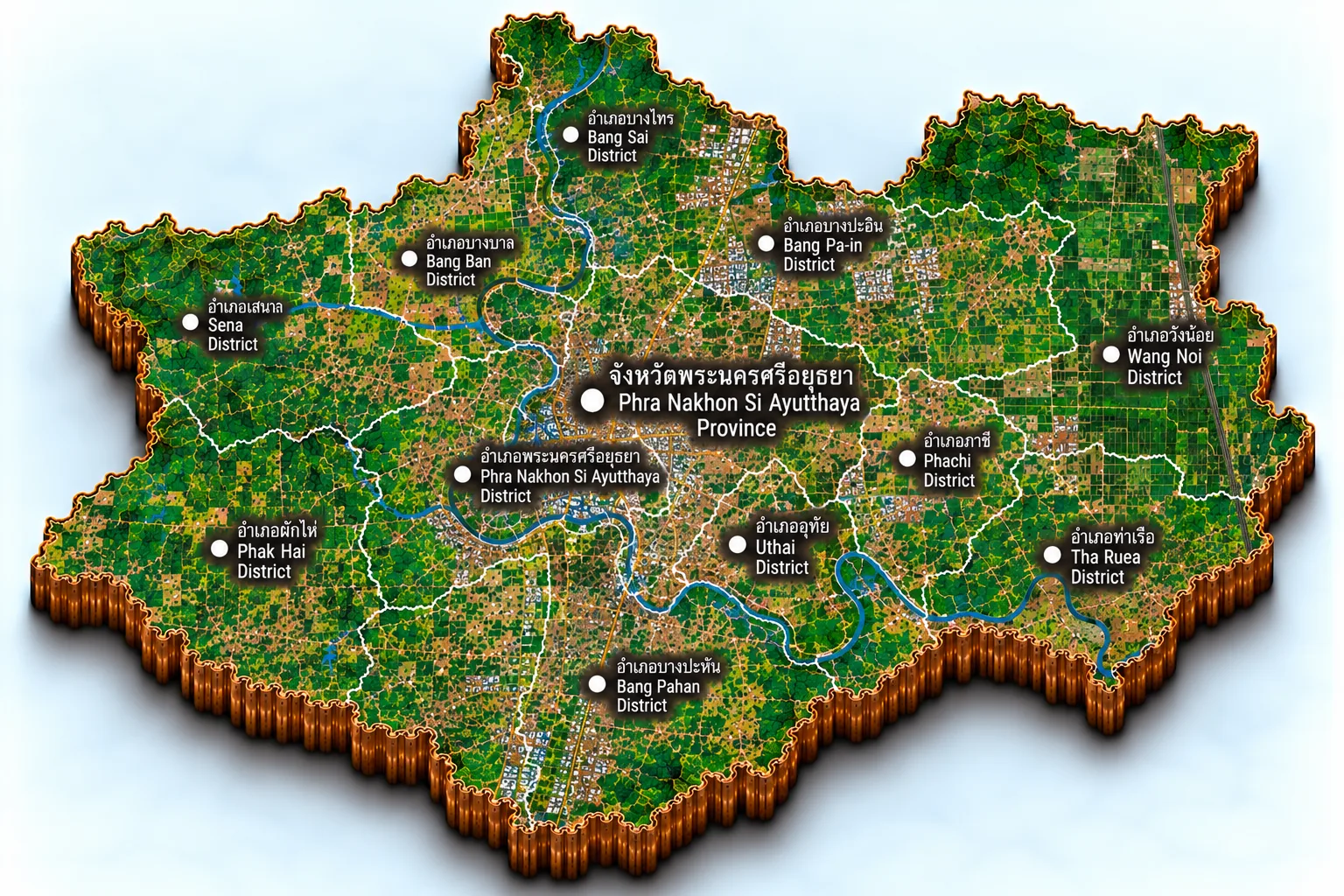
Ayutthaya sits in Central Thailand on the flat Chao Phraya floodplain, about eighty kilometres north of Bangkok. It covers roughly 2,550 square kilometres across sixteen districts, bordered by Ang Thong, Lopburi, Saraburi, Pathum Thani, Nonthaburi, Nakhon Pathom, and Suphan Buri. There are no mountains here — only alluvial plain, rice fields, and a dense web of canals.

Four rivers cross the province — the Chao Phraya, Pa Sak, Lopburi, and Noi — for about two hundred kilometres in all. Where the Chao Phraya, Pa Sak, and Lopburi meet, they still ring the historic island that once held Siam’s capital. The climate is tropical monsoon: cooler and drier from about November to February; hot from March to May; and rainy from roughly May through October, when the plain greens and river levels rise.

Best time: November – February for cool, clear walks among the ruins and soft riverside light; May – October for lush rice-plain green — expect afternoon showers and occasional high water.

Ayutthaya landscape

02

History & Heritage

From U Thong to World Heritage

Ayutthaya rose where the Chao Phraya, Lopburi, and Pa Sak rivers meet — a fertile plain and a trade crossroads that, through the twentieth to twenty-third Buddhist centuries, made the city one of Asia’s great markets. People lived here before the capital: chronicles place the great stucco Buddha of Wat Phanan Choeng in 1324 (B.E. 1867), proof of a community already large enough to raise a giant image. In 1350 (B.E. 1893), King Ramathibodi I (King U Thong) founded Krung Si Ayutthaya as the political centre, binding kin cities such as Lopburi and Suphan Buri into one realm.

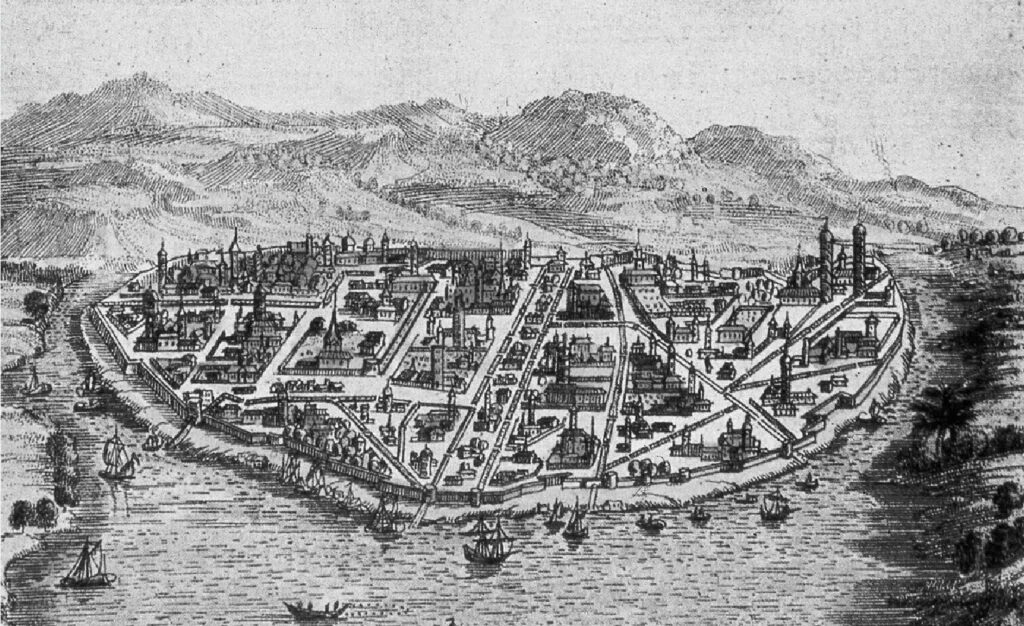
For 417 years the capital flourished under thirty-four kings from five dynasties, until the fall under King Ekkathat in 1767 (B.E. 2310) sent Siam’s centre south to Thonburi and then Bangkok. The heart was an island ringed by three rivers and a city wall — first earth under U Thong, later brick under King Maha Chakkraphat — about 12.5 kilometres around, five metres thick and six high, with sixteen gun forts and a web of gates that tradition counts at ninety-nine. Ayutthaya was designed as a water city: older channels kept, north–south canals cut straight to drain monsoon flood, and more than thirty bridges — wood, brick, laterite, chain, and drawbridges — stitching temple, palace, and house islands together while farmland beyond the walls drank from the same river net.

Kings ruled as head of the land; princes and nobles held royal towns and vassal states in their name. King Borommatrailokkanat’s reforms split military and civil power — Samuha Kalahom and Samuha Nayok — and set the four civil pillars (Chatusadom): capital, palace, treasury-and-trade, and agriculture — a frame that lasted through the Ayutthaya age. Society ran through nai (lords), phrai (commoners bound to a patron and owed six months’ corvée, or a sūai payment in its place), and that (slaves kept for life). Rice fed the realm and the export ships; the court’s Phra Khlang monopoly and harbour offices (Krom Tha — right for the Western trade, left for the East, later a middle office for Europeans) made Ayutthaya both shipper and middleman. Inside and outside the walls, some four water markets and about seventy-two land markets moved everyday goods and the specialties of each quarter.

Ties ran to Burma, Mon, Khmer, Lao, Viet, and Malay worlds — kinship, trade, and war — and farther to China, Japan, India, and Persia. The Portuguese arrived first under Ramathibodi II; Spain, Holland, England, and France followed for commerce and mission, bringing fort design, firearms, and new science while the court balanced one power against another. Foreign villages usually stood outside the walls; Chinese, Hindu, and some Muslim communities closer to the palace were allowed inside. After the fall, brick from Ayutthaya helped build Rattanakosin. King Mongkut began restoring the old city; in 1908 (B.E. 2451) King Chulalongkorn reserved the island as public land and charged Phraya Boranratchathanin with survey and excavation. Monument registration, the Ayutthaya Historical Park (1982 / B.E. 2525), and UNESCO inscription on 13 December 1991 (B.E. 2534) sealed what travellers walk today — about 4,810 rai of protected island heritage.


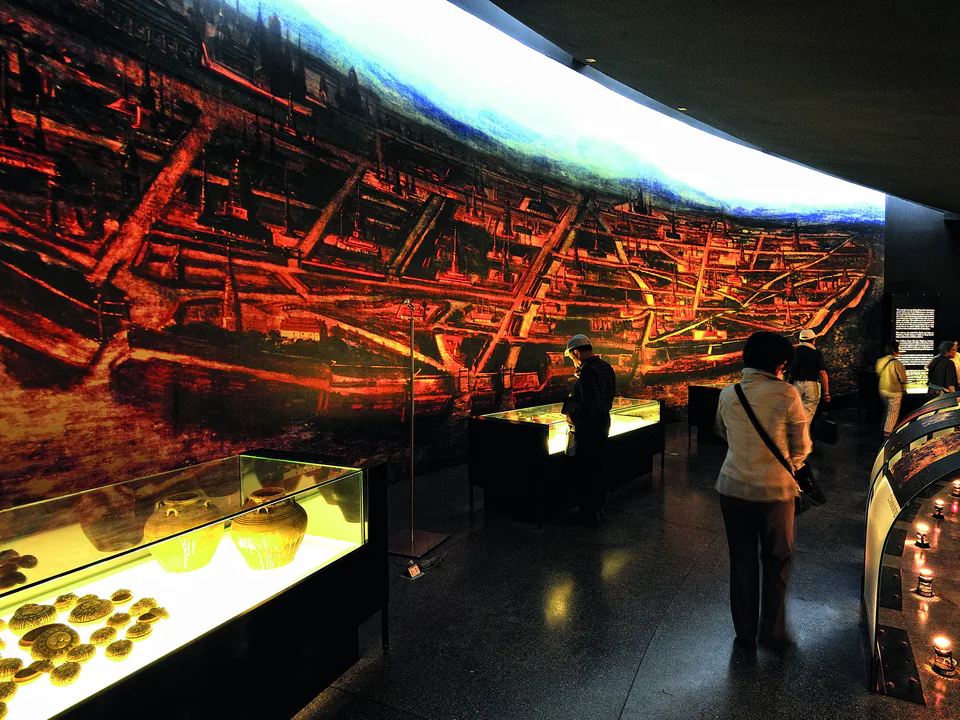
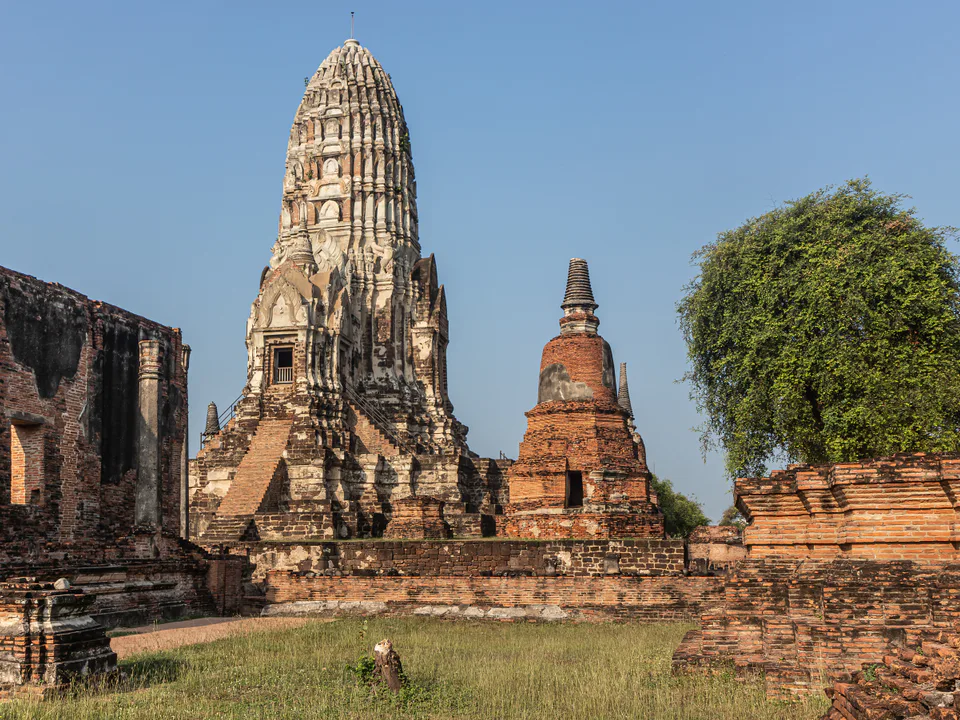
Historic view of Ayutthaya as a river-island capital
Wat Ratchaburana ruins beside the river at Ayutthaya
Buddha head in tree roots at Wat Mahathat, Ayutthaya

03

Top Attractions

Places Not to Miss

UNESCO temple ruins, Bang Pa-In’s summer palace, river markets, foreign villages, and quiet faith stops — places that shape an Ayutthaya day trip, listed A to Z.

Ayothaya Floating Market

Ayothaya Floating Marketตลาดน้ำอโยธยา

A lively canal market of boat noodles, Thai sweets, and souvenir stalls a short hop from the historic island — Ayutthaya’s easiest floating-market morning without leaving the province. Come early for softer light and shorter queues; weekends are busiest.

Location · Phra Nakhon Si Ayutthaya District

Ayutthaya City Pillar Shrine

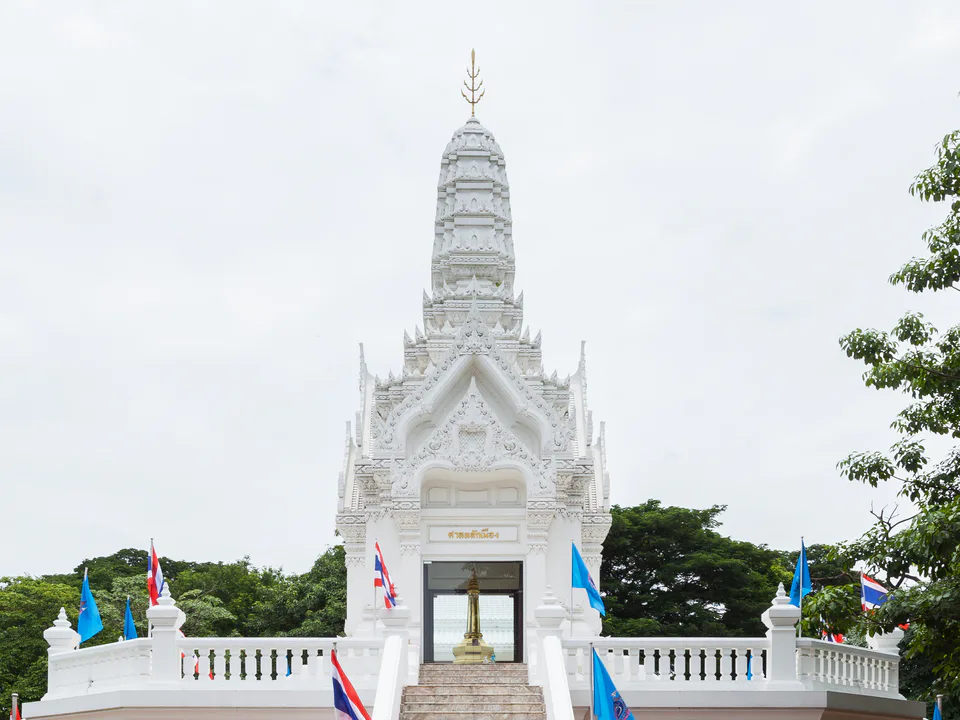
Ayutthaya City Pillar Shrineศาลหลักเมืองอยุธยา

The lak mueang shrine in the old-town core — a polite first stop for safe travel and good fortune before you enter the ruins. Thai-style pavilion, guardian deities, and easy walking access; dress modestly and keep voices low.

Location · Phra Nakhon Si Ayutthaya District

Ayutthaya Elephant Palace & Royal Kraal

Ayutthaya Elephant Palace & Royal Kraalวังช้างอยุธยา แล เพนียด

A family-facing elephant centre linked to Ayutthaya’s historic kraal tradition — feeding, mahout stories, and grounds that mix living elephants with old-city atmosphere. Book activities on site or ahead; treat animals with care and skip any ride that feels rushed or unsafe.

Location · Phra Nakhon Si Ayutthaya District

Baan Hollanda

Baan Hollandaหมู่บ้านฮอลันดา

The Dutch trading-station site on the Chao Phraya — orange-brick pavilion, Thai–Netherlands trade exhibits, and a quiet riverside café. Pair with the Japanese Village and Wat Phanan Choeng on the same south-bank loop; typically daytime hours.

Location · Phra Nakhon Si Ayutthaya District

Bang Pa-In Royal Palace

Bang Pa-In Royal Palaceพระราชวังบางปะอิน

The summer palace begun under King Prasat Thong and remade under Rama IV–V — Thai lake pavilion, Chinese mansion, and European halls in one garden. Open daily about 08:00–16:00; foreigners typically 100 THB. Dress politely (no shorts or tight leggings); visit before the island temples if you are day-tripping.

Location · Bang Pa-in District

Chao Sam Phraya National Museum

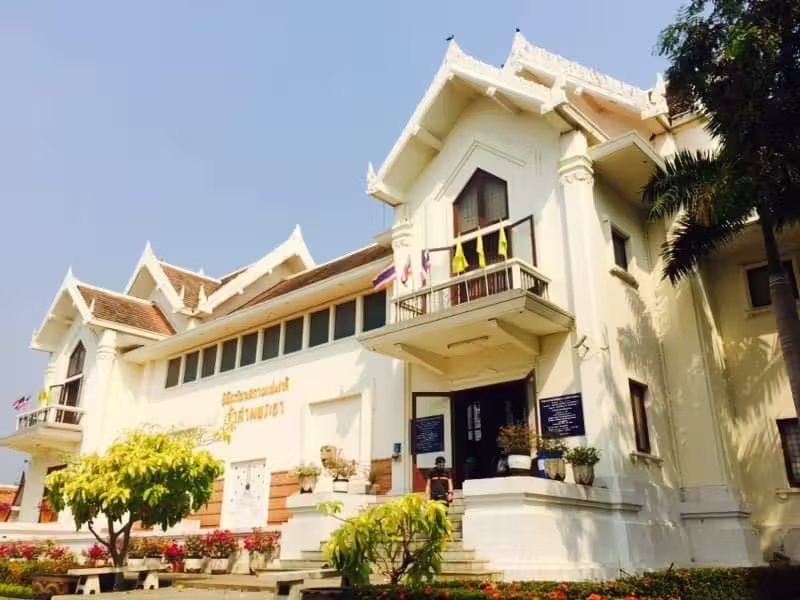
Chao Sam Phraya National Museumพิพิธภัณฑสถานแห่งชาติเจ้าสามพระยา

The Fine Arts museum that holds gold and treasures from temple crypts such as Wat Ratchaburana — Buddha images, ceramics, and Ayutthaya craft under one roof. A cool indoor hour between ruin walks; check current ticket hours before you go.

Location · Phra Nakhon Si Ayutthaya District

Japanese Village

Japanese Villageหมู่บ้านญี่ปุ่น

South-bank settlement of Ayutthaya-era Japanese traders — museum rooms, sailing maps, and the story of Yamada Nagamasa. Open daily about 08:00–17:00; walk or tuk-tuk on to Wat Phanan Choeng and Baan Hollanda.

Location · Phra Nakhon Si Ayutthaya District

Kong Khong Market

Kong Khong Marketตลาดโก้งโค้ง · บ้านแสงโสม

An older brick-and-bamboo market at Ban Saeng Som — handmade crafts, friendly Thai snacks, and photo lanes that feel more local than the big floating markets. Easy to combine with Bang Pa-In on a south-of-town loop.

Location · Bang Pa-in District

Maharat Buddhist Park

Maharat Buddhist Parkพุทธอุทยานมหาราช · หลวงปู่ทวด

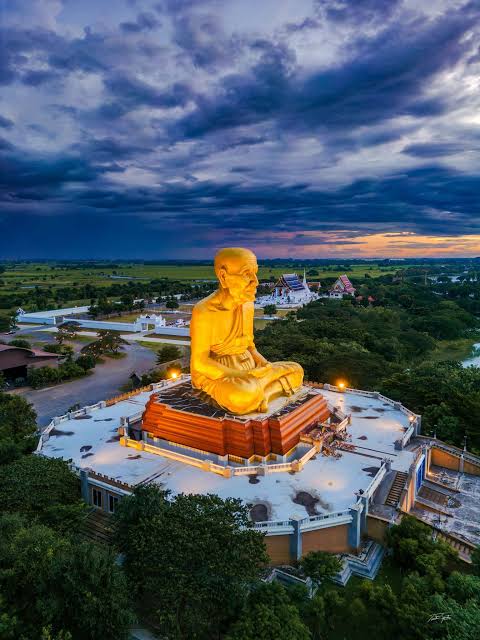
A vast Asian Highway faith park crowned by a towering golden Luang Pu Thuat — lake paths, community market stalls, and wooden bridge photo spots. Families come for merit and a picnic mood; dress for sun and temples.

Location · Maha Rat District

Million Toys Museum

Million Toys Museumพิพิธภัณฑ์ล้านของเล่น

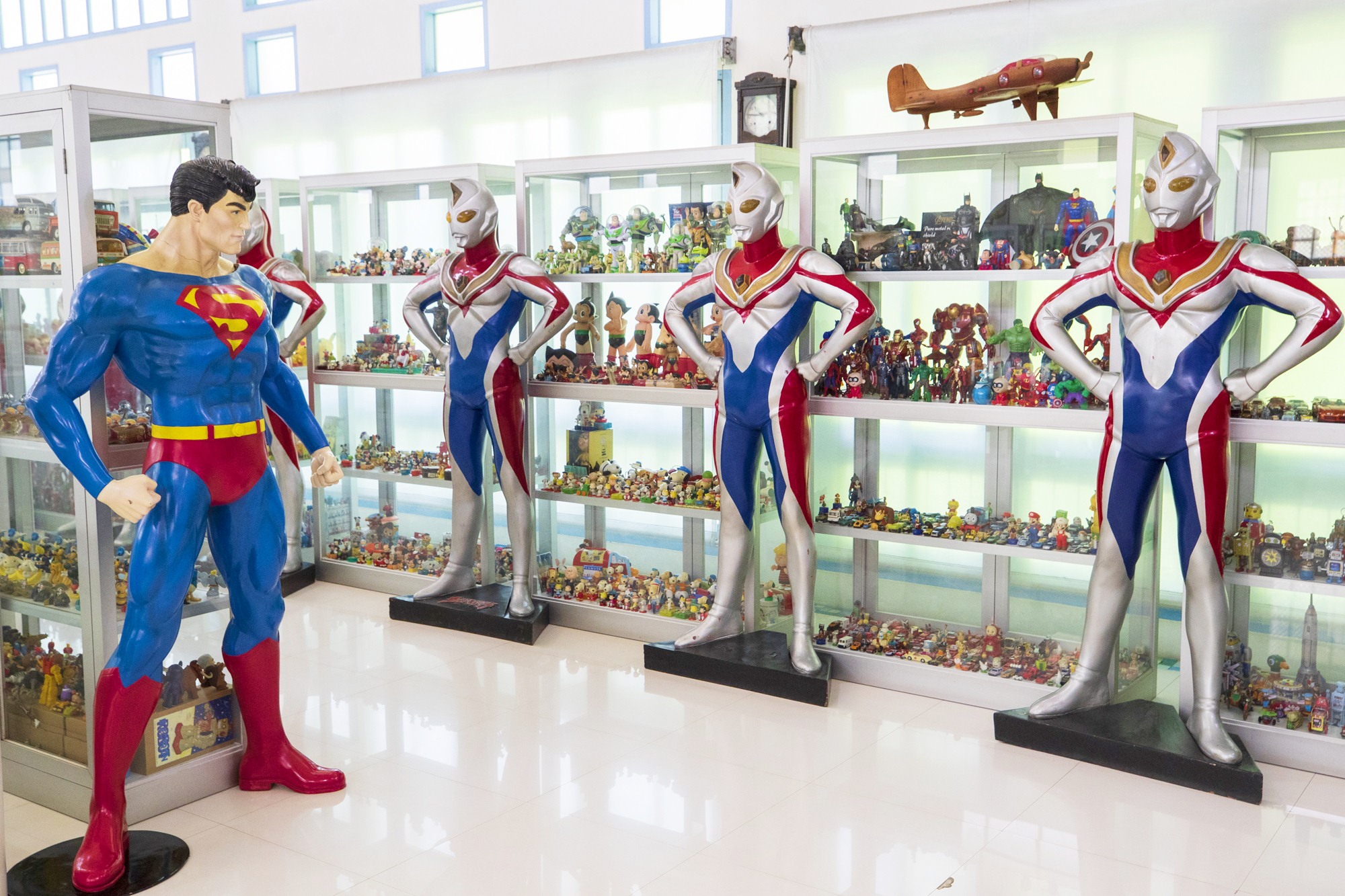
National Artist Krirk Yunpan’s toy museum — decades of Thai and world playthings from classic tin to 1990s shelves. A joyful break from brick ruins for kids and nostalgic adults; confirm opening times before you drive over.

Location · Phra Nakhon Si Ayutthaya District

Pa Din So Bridge

Pa Din So Bridgeสะพานป่าดินสอ

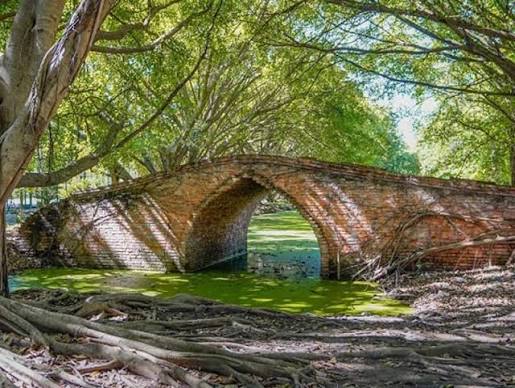
A short wooden boardwalk through riverside green — birds, shade, and a quieter photo pause away from the ticketed temples. Best in soft morning or late-afternoon light; bring mosquito spray in the green season.

Location · Phra Nakhon Si Ayutthaya District

Rak Na Cafe

Rak Na Cafeรักษ์นา คาเฟ่

An open-air bamboo café set in rice fields — 360° paddy views, thatched photo corners, and a Vietnamese hammock lounge. Come for brunch light and empty paths; weekends fill fast with content creators.

Location · Phra Nakhon Si Ayutthaya District

Red Lotus Field Ayutthaya

Red Lotus Field Ayutthayaทุ่งบัวแดงอยุธยา

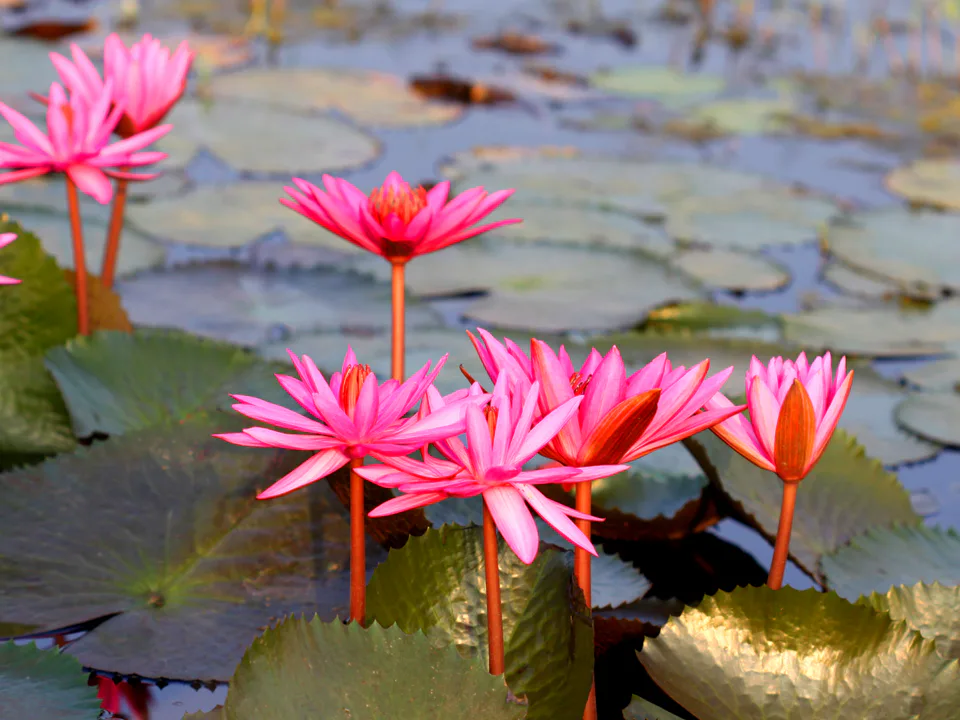
Seasonal red-lotus blooms on still water — paddle boats and Thai-dress photo sessions when the flowers peak (often cool-to-hot months; ask locals for the week’s bloom). Sunrise and late afternoon give the softest colour.

Location · Phra Nakhon Si Ayutthaya District

Sriayuthaya Lion Park

Sriayuthaya Lion Parkศรีอยุธยา ไลอ้อน ปาร์ค

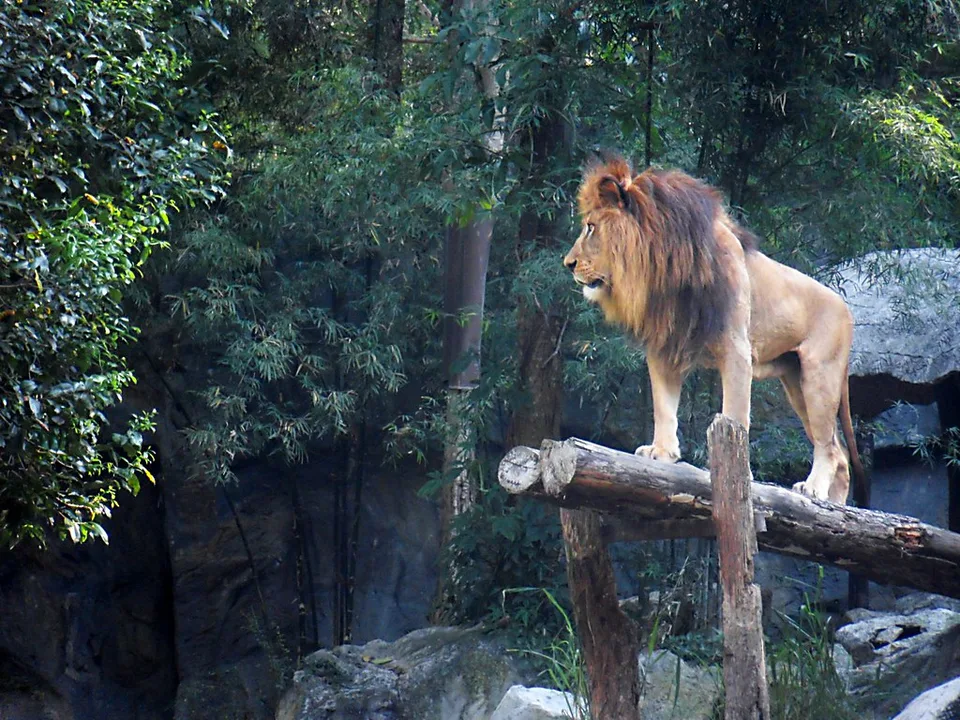
A family safari-style park with big cats, smaller petting animals, and photo zones — a lively counterpoint to temple mornings. Check feeding and ride schedules on the day; keep children close around enclosures.

Location · Phra Nakhon Si Ayutthaya District

Wat Chaiwatthanaram

Wat Chaiwatthanaramวัดไชยวัฒนาราม

King Prasat Thong’s riverside Khmer-style masterpiece — a soaring central prang ringed by chedis and galleries, famous for sunset light. Fine Arts site, typically about 08:00–18:30; foreign day ticket often 50 THB or park combo. Soft evening light is the classic shot.

Location · Phra Nakhon Si Ayutthaya District

Wat Lokayasutharam

Wat Lokayasutharamวัดโลกยสุธาราม · วัดพระนอน

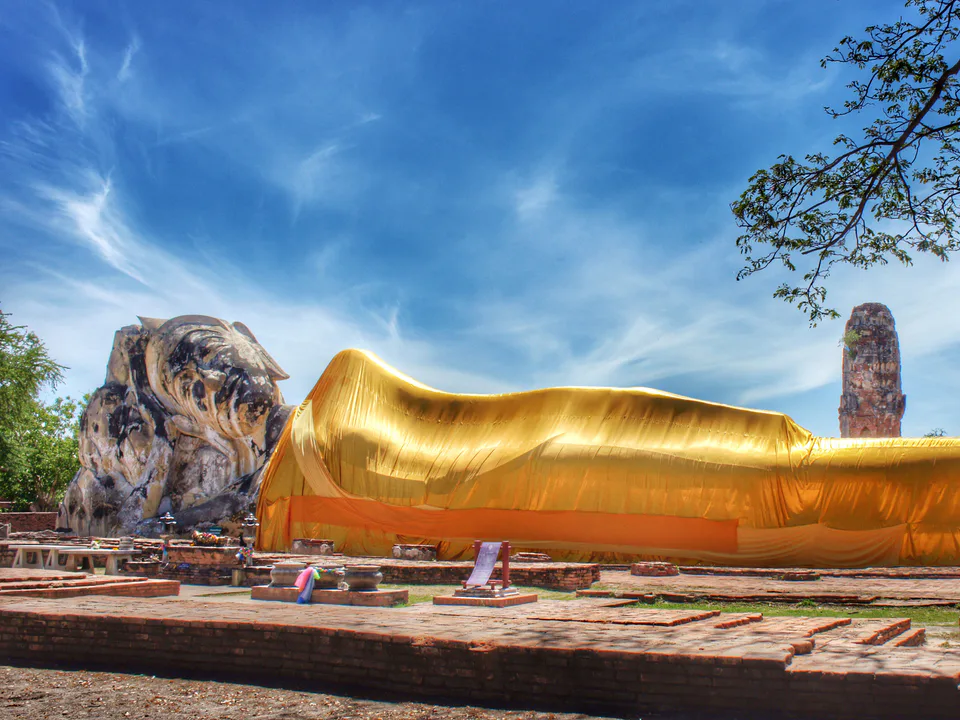
The open-air reclining Buddha about 42 metres long — white figure against brick ruins and wide sky. Usually free to enter; come early or late for softer light and fewer tour groups.

Location · Phra Nakhon Si Ayutthaya District

Wat Mahathat

Wat Mahathatวัดมหาธาตุ

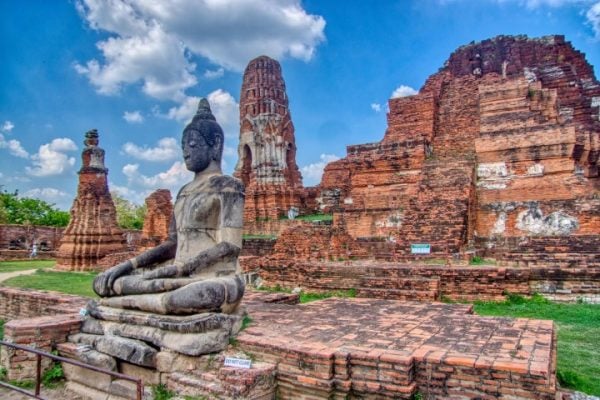
Home of Ayutthaya’s most famous image — the sandstone Buddha head wrapped in tree roots — plus a field of prangs and broken galleries once tied to the kingdom’s supreme patriarch. Typically about 08:30–18:00; foreign ticket often 50 THB. Queue politely for the root photo; the wider ruin rewards a slow walk.

Location · Phra Nakhon Si Ayutthaya District

Wat Maheyong

Wat Maheyongวัดมเหยงคณ์

An early Ayutthaya ruin compound that doubles as a modern meditation centre — quiet brick, forest shade, and retreat programmes for those who want stillness. Fine Arts hours commonly about 08:00–16:30; dress modestly and keep phones low near practice areas.

Location · Phra Nakhon Si Ayutthaya District

Wat Niwet Thammaprawat

Wat Niwet Thammaprawatวัดนิเวศธรรมประวัติราชวรวิหาร

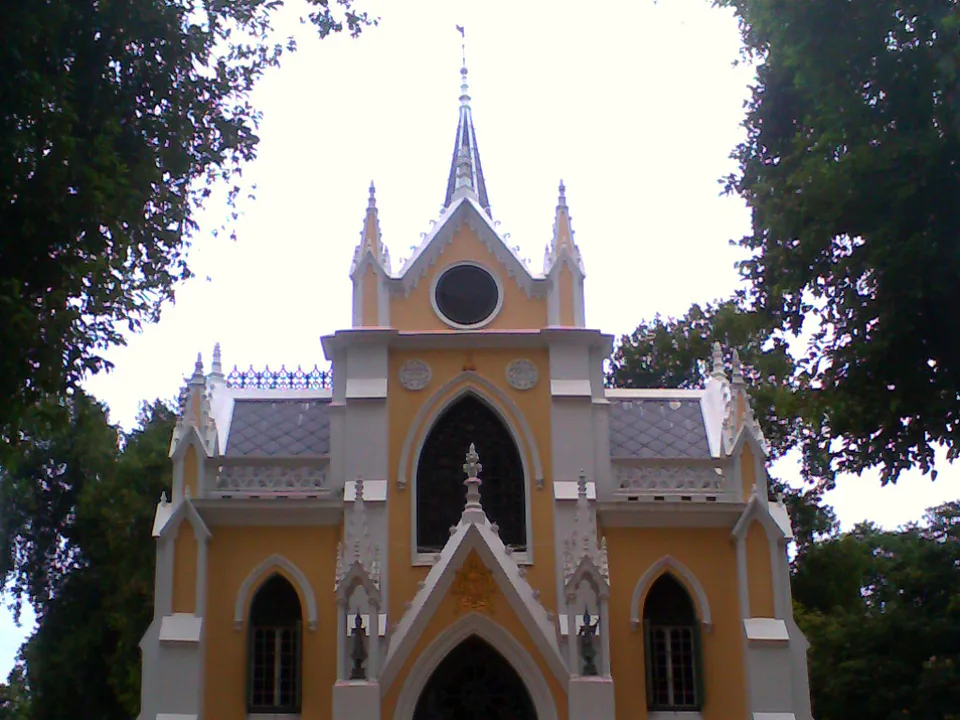
Rama V’s Gothic-revival Buddhist temple on the river — pointed arches, stained glass, and a cable-car crossing from Bang Pa-In. Pair with the palace next door; dress for an active temple and mind the cable-car queue on weekends.

Location · Bang Pa-in District

Wat Phanan Choeng

Wat Phanan Choengวัดพนัญเชิงวรวิหาร · หลวงพ่อโต

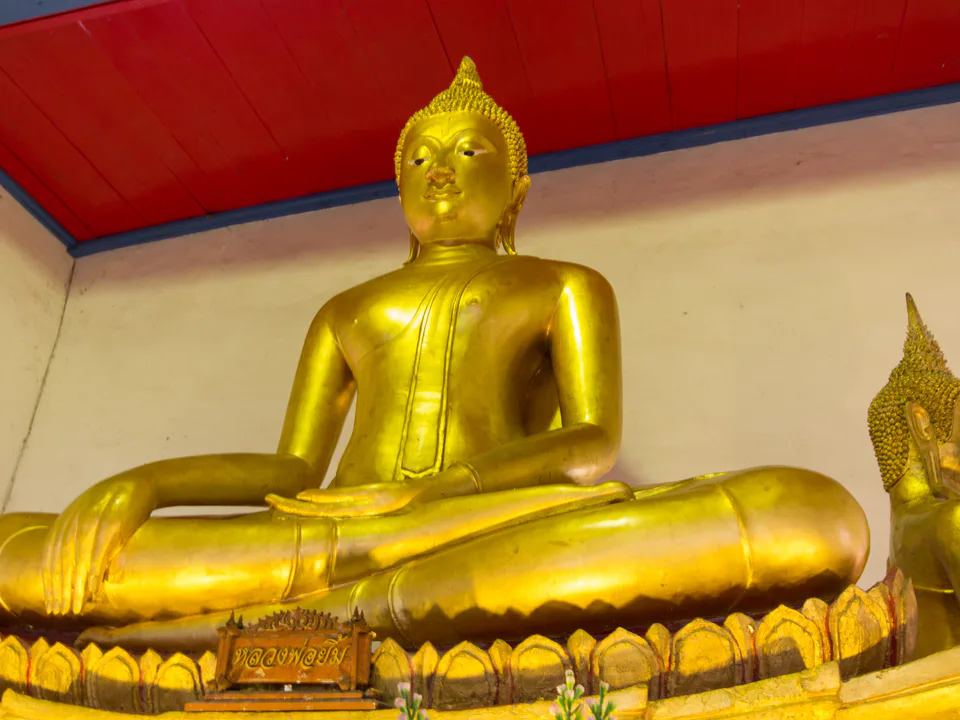
A riverside Chinese–Thai monastery older than the capital’s founding — home to Luang Pho To, the great seated Buddha still thronged by Thai and Chinese devotees. Roughly 08:00–17:00; small entry fee common. Merit first, then the nearby Japanese Village.
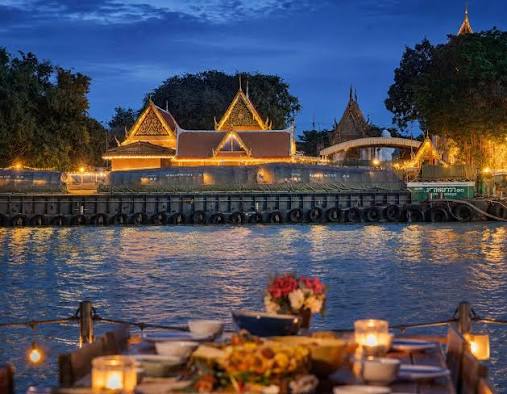
Location · Phra Nakhon Si Ayutthaya District

Wat Phra Ngam

Wat Phra Ngamวัดพระงาม · ประตูแห่งกาลเวลา

A quieter ruin famous for the “Gate of Time” — an ancient brick arch framed by bodhi roots that looks built for cinema stills. Come for the arch photo, then walk the surrounding brick without the main-park crowds.

Location · Phra Nakhon Si Ayutthaya District

Wat Phra Ram

Wat Phra Ramวัดพระราม

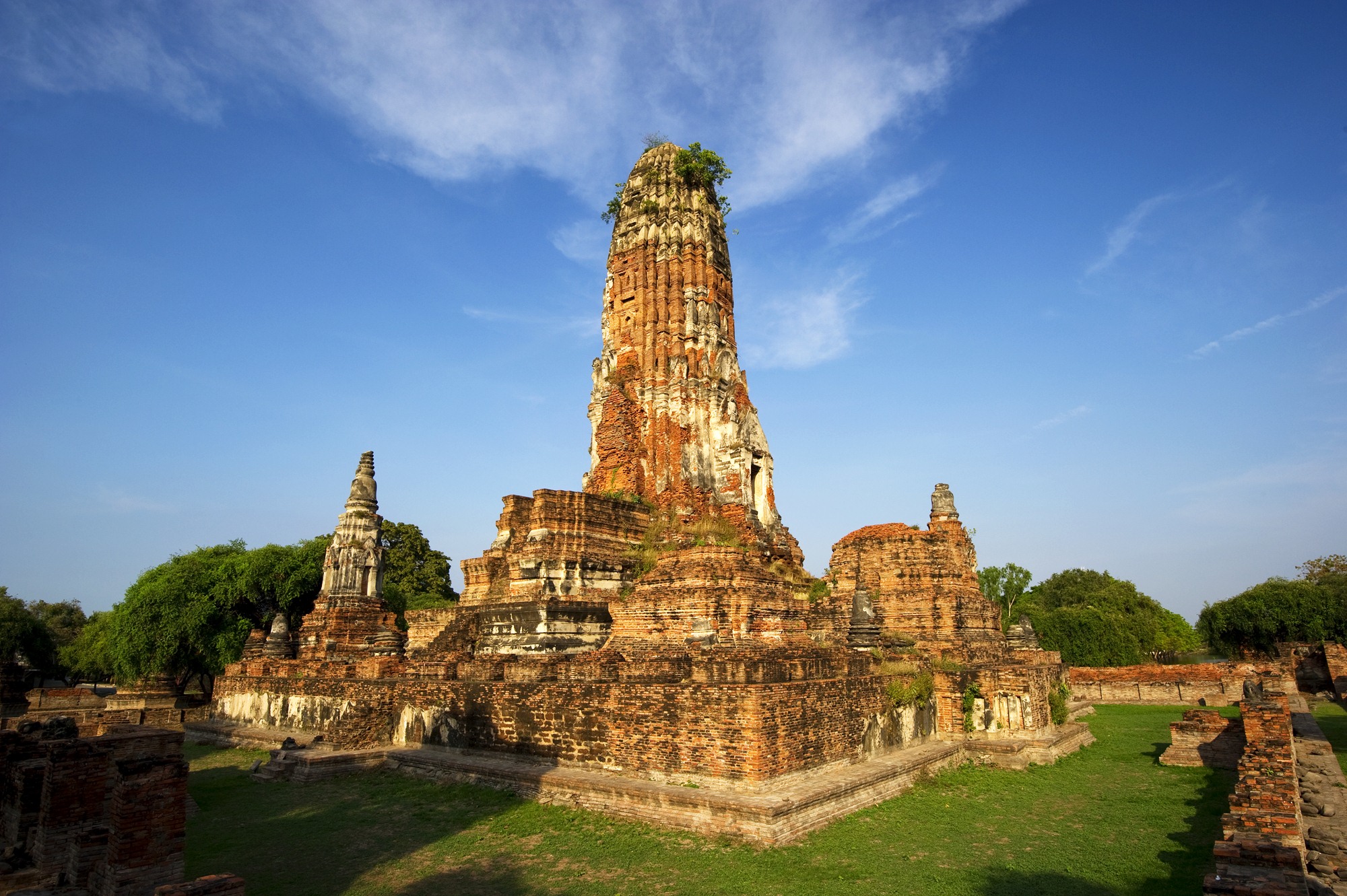
A tall prang rising from open lawn east of the old palace — tradition ties the site to King U Thong’s cremation ground. Fine Arts hours often about 08:00–16:30; soft morning brick colour is especially fine.

Location · Phra Nakhon Si Ayutthaya District

Wat Phra Si Sanphet

Wat Phra Si Sanphetวัดพระศรีสรรเพชญ์

The former royal monastery inside the old palace — three aligned chedis that have become Ayutthaya’s silhouette. Fine Arts site, commonly about 08:00–16:30; foreign ticket often 50 THB or park combo. Pair with Wihan Phra Mongkhon Bophit next door.

Location · Phra Nakhon Si Ayutthaya District

Wat Phutthaisawan

Wat Phutthaisawanวัดพุทไธศวรรย์

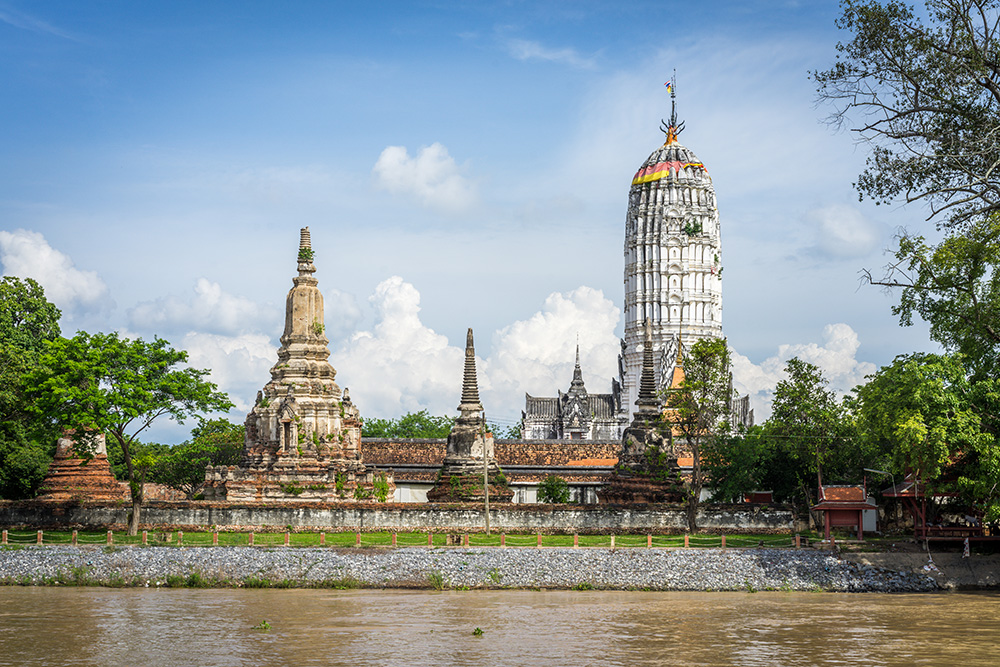
White riverside chedi on the south bank where King U Thong once settled — early Ayutthaya brick, river wind, and a quieter faith pace. Often about 08:30–17:00; looks striking from the opposite bank near Sala Ayutthaya.

Location · Phra Nakhon Si Ayutthaya District

Wat Ratchaburana

Wat Ratchaburanaวัดราชบูรณะ

A great prang whose crypt once hid gold and royal relics now shown in Chao Sam Phraya Museum — visitors can still descend into the chamber. Fine Arts hours often to about 16:30; foreign ticket commonly 50 THB. Climb carefully and bring a torch mindset for the steps.

Location · Phra Nakhon Si Ayutthaya District

Wat Tha Ka Rong

Wat Tha Ka Rongวัดท่าการ้อง

A calm riverside temple known for temple cats, herbal drinks, and old-style Thai sweets — merit with a soft, local pace. Good when you want shade and quiet after the main park tickets.

Location · Phra Nakhon Si Ayutthaya District

Wat Yai Chai Mongkhon

Wat Yai Chai Mongkhonวัดใหญ่ชัยมงคล

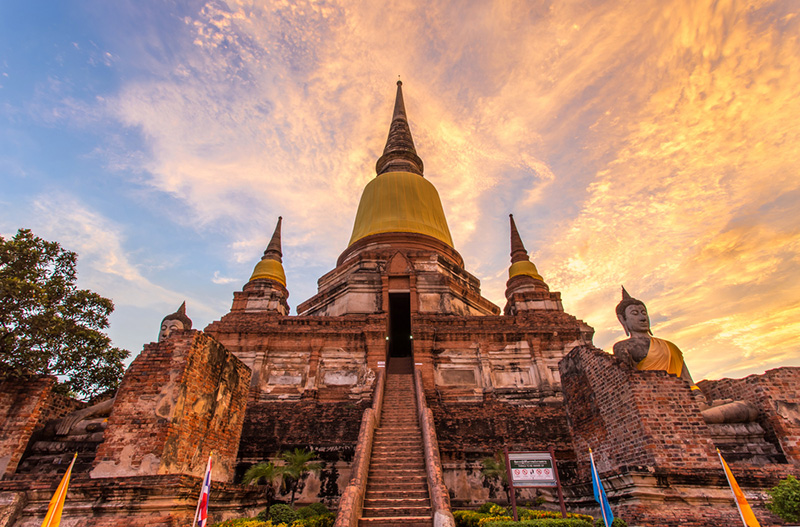
The giant victory chedi raised for King Naresuan’s triumph — yellow-robed Buddha rows, a large reclining image, and a climbable chedi terrace over the southeast plain. Active temple, roughly 08:00–17:00; small entry fee usual. Dress modestly for the climb.

Location · Phra Nakhon Si Ayutthaya District

04

Local Flavours & Food

River Prawns, Boat Noodles & Roti Sai Mai

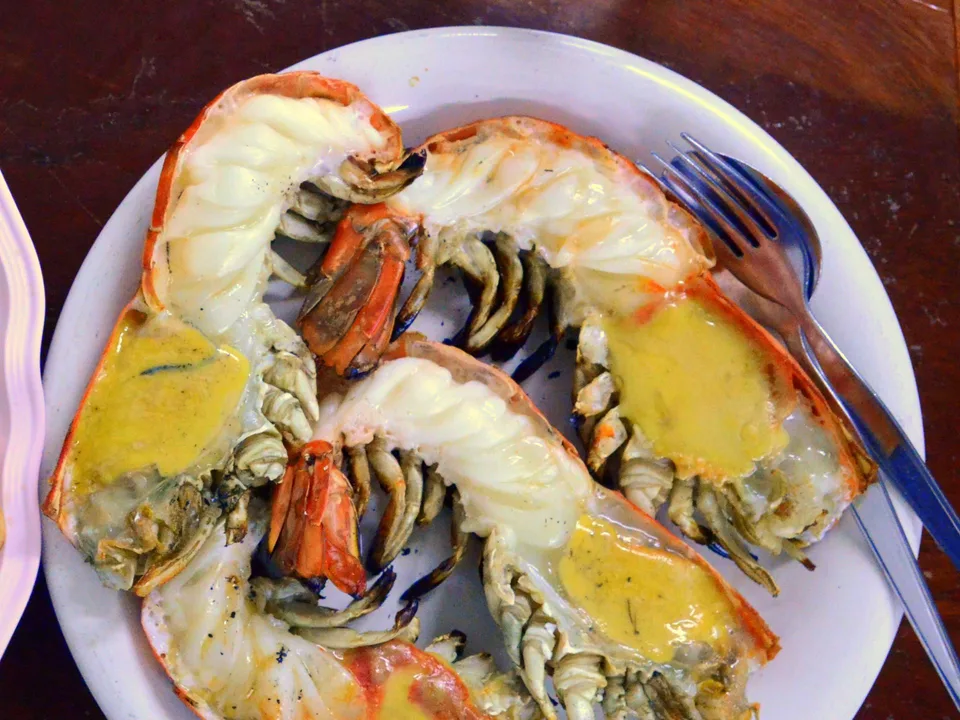
Ayutthaya eats where three rivers meet — charcoal river prawns with head fat running golden, small bowls of boat noodles near the ruins, and warm roti wrapped around candy floss that travellers still queue for opposite the hospital.

Riverside rooms on the Chao Phraya carry Michelin Guide names and family teak tables; after Wat Mahathat or Wat Choeng Len, locals still point you to Pa Lek, Ruean Thai Kung Phao, and a box of roti sai mai for the road. The ten tables below are listed A to Z.

Where to Eat

River Prawns, Boat Noodles & Roti Sai Mai

Ten Ayutthaya tables — Bib Gourmand boat noodles and roti sai mai, Michelin-listed Chao Phraya prawn houses, a community kitchen at The Artisans, and café rooms with ruin views. Listed A to Z. Hours shift; tap Location for the latest pin, and call ahead for jumbo river prawns.

Baan Pomphet

Baan Pomphetบ้านป้อมเพชร

Daily · about 10:00–21:00

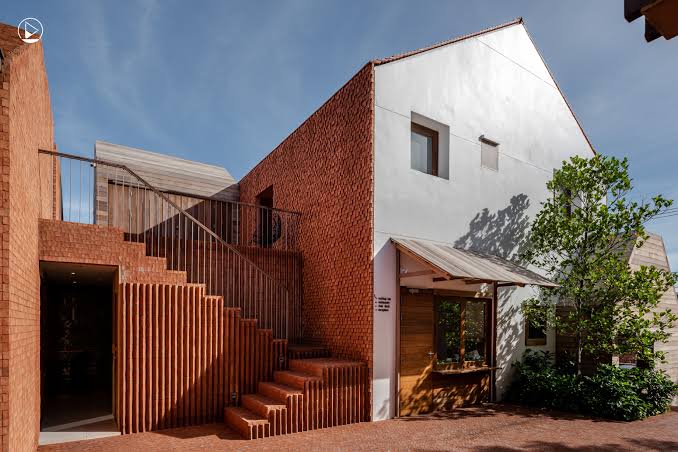
A red-brick riverside room on U Thong Road — café-hotel feel, park next door, and Michelin Guide Thai cooking with big grilled river prawns as the house draw.
Order tom yum with coconut, yum tua phu, and charcoal prawns by the kilo. Good for family dinners and sunset tables facing the Chao Phraya.

Location · Phra Nakhon Si Ayutthaya District · Chao Phraya riverside

Baan U Thong Rim Nam

Baan U Thong Rim Namบ้านอู่ทองริมแม่น้ำเจ้าพระยา

Daily · about 11:00–21:00

A Chao Phraya terrace near Baan Pomphet — grilled river prawns with a house seafood dip, herb-fried fish, and fruit in syrup for dessert.
Come for golden-hour river light; portions suit couples and small groups without the grand-dining price tag.

Location · Phra Nakhon Si Ayutthaya District · Chao Phraya riverside

Grand Chao Phraya

Grand Chao Phrayaแกรนด์เจ้าพระญาอยุธยา

Daily · about 11:00–22:00

A Michelin Guide riverside dining room with live music, temple views, and jumbo grilled river prawns as the signature plate.
Chu chee soft-flesh fish, crab fried rice, and pineapple curry fill the rest of the table. Book ahead for weekend evenings and elder birthdays.

Location · Phra Nakhon Si Ayutthaya District · Ban Kluea riverside

Khanom Chin Ton Kam Pu Ayothaya

Khanom Chin Ton Kam Pu Ayothayaขนมจีนต้นก้ามปูอโยธยา

Daily · about 08:00–20:00

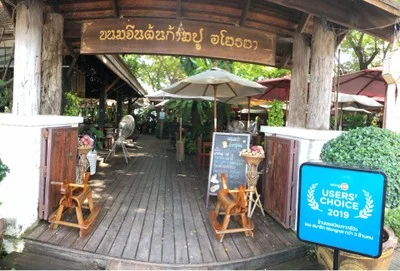
A timber Thai house with waterfall greenery near Wat Yai Chai Mongkhon — rice noodles with crab curry, crab fried rice, grilled chicken som tum, and northern plates such as sai ua.
Indoor air-con and outdoor rooms; easy lunch after the big chedi climb.

Location · Phra Nakhon Si Ayutthaya District · Soi Phai Ling

Pa Lek Boat Noodles

Pa Lek Boat Noodlesก๋วยเตี๋ยวเรือป้าเล็ก

Daily except Wed · about 08:30–17:00 · cash only

A third-generation boat-noodle stall with a Michelin Bib Gourmand — small bowls of pork or beef in a deep, balanced broth, dry or soup, from about 20 THB.
Weekends mean queues; Wednesday is closed. Bring cash and order more than one bowl — that is the Ayutthaya way.

Location · Phra Nakhon Si Ayutthaya District · near Wat Mahathat

Roti Sai Mai Abeedeen-Pranom Sangaroon

Roti Sai Mai Abeedeen-Pranom Sangaroonโรตีสายไหมอาบีดีนประนอม-แสงอรุณ

Daily · about 06:00–20:00

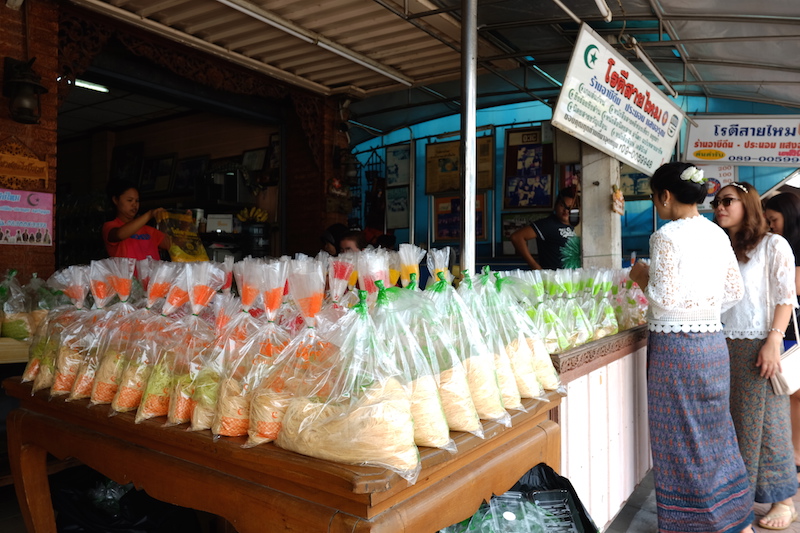
Ayutthaya’s signature sweet — warm roti wrapped around candy floss, still made by the same Muslim family for more than seventy years and listed in the Michelin Guide.
Original and flavoured strands (strawberry, cocoa at some counters); take boxes home as souvenirs. Expect a queue at peak hours.

Location · Phra Nakhon Si Ayutthaya District · opposite Ayutthaya Hospital

Ruean Thai Kung Phao

Ruean Thai Kung Phaoเรือนไทยกุ้งเผา

Daily · about 10:00–17:30

A Bib Gourmand riverside house open more than thirty years — charcoal-grilled river prawns sized to order, deep-fried sheatfish, and green curry with featherback fish balls.
Michelin recommends booking the largest prawns ahead. Pair with merit at Wat Choeng Len next door.

Location · Bang Sai District · near Wat Choeng Len

The Artisans Ayutthaya

The Artisans Ayutthayaดิ อาร์ทิซานส์ อยุธยา

Daily · about 11:00–21:00 · reserve ahead

A Ban Kluea riverside kitchen of community recipes — fried beef with shallots over rice, river-prawn mee chae, pottery workshops, and rotating Thai performance nights.
Reserve before you go; the room mixes Thai-house dining with living craft from the village.
Location · Bang Pa-in District · Chao Phraya riverside

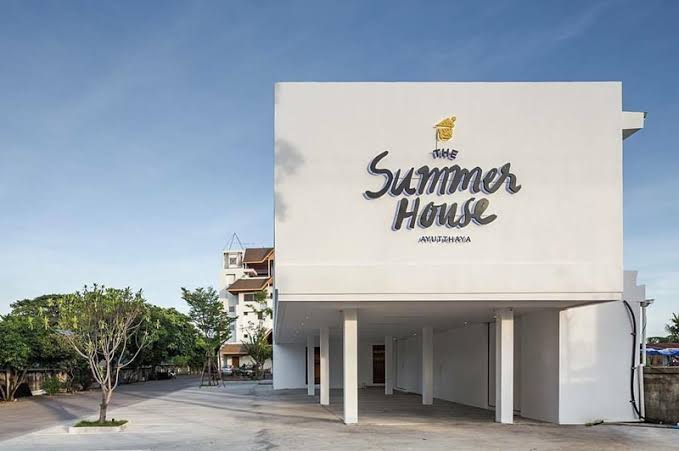
The Summer House

The Summer HouseThe Summer House Ayutthaya

Daily · about 09:30–21:30

A bright Chao Phraya café-restaurant with indoor air-con and outdoor river decks — Thai-fusion plates such as pomelo miang, grilled salmon, and mango salad with crab.
Live music most evenings; parking on site. Come for photos and a lighter meal between temple loops.
Location · Phra Nakhon Si Ayutthaya District · Ko Rian riverside

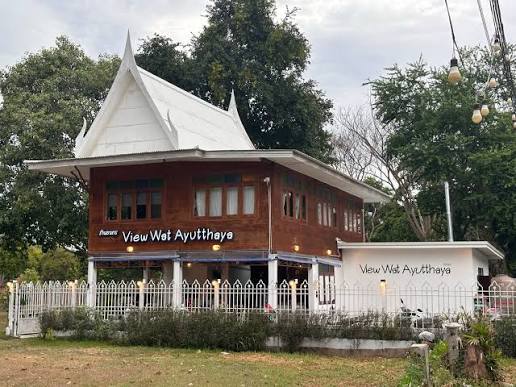
View Wat Ayutthaya

View Wat Ayutthayaวิววัดโบราณใจกลางอยุธยา

Daily · about 09:00–16:00

A Thai–Isan–Vietnamese room with second-floor windows onto Wat Ratchaburana — grilled river prawns, deep-fried sea bass with fish sauce, and crisp prawn spring rolls.
Daytime hours only; park easily and walk off lunch among the nearby ruins.

Location · Phra Nakhon Si Ayutthaya District · near Wat Ratchaburana

05

Local Specialties & Souvenirs

Roti Sai Mai, Mo Kaeng & Coconut Cake

Ayutthaya’s bag fills with sweets first — soft roti wrapped around candy floss, silky coconut custard in chicken-stamp cups, shatter-crisp roti for colleagues, and a young-coconut cake that still defines Lumpli. Buy sealed boxes before you leave the old town; the flavours travel better than the queues.

The four edible keepsakes below are listed A to Z. Shop names shift hours; the hospital strip and Phai Ling road remain the surest souvenir corridor.

  • Coconut soft cakeเค้กมะพร้าวอ่อน A soft sponge with young-coconut cream — fragrant, lightly sweet, and not heavy. Start with Cake Maphrao On Lumpli, still remembered as the original Lumpli bakery; sealed boxes keep well for the Bangkok ride home.
  • Crisp traditional rotiโรตีกรอบโบราณ Thin roti fried until shatter-crisp — a longer-keeping snack than soft sai mai wraps, ideal for colleagues and elders. Look for Baan (บ้าน ของฝากอยุธยา) and sealed packs on the souvenir streets.
  • Khanom mo kaeng & classic Thai sweetsขนมหม้อแกง · ทองหยิบ · ทองหยอด · ฝอยทอง Silky coconut custard — often sold in chicken-stamp cups — plus thong yip, thong yot, foi thong, and rarer old-style Thai sweets. Michelin-listed Khanom Mho Kaeng Mae Yai (Phai Ling) squeezes fresh coconut milk daily; Baan Khao Nom is another classic box stop.
  • Roti sai maiโรตีสายไหม Ayutthaya’s number-one edible souvenir and an OTOP indigenous product — thin plain or pandan roti wrapped around spun-sugar floss. Famous counters include Abeedeen–Pranom Sangaroon, Bang Mad Sangaroon, and Mae Pom along the hospital strip and around town; expect queues, and buy boxes for the road.

06

Local Culture & Vibe

River Rites & Old-Capital Festivals

Ayutthaya’s year still turns on water and brick — Songkran among the ruins, candle boats circling the island before the rains’ retreat, long boats racing the Chao Phraya, and Loi Krathong lights at Bang Sai. Between UNESCO anniversary nights and Chinese Ting Krajad at Wat Phanan Choeng, the old capital keeps faith, river skill, and neighbourhood pride in the same calendar. The six living traditions below are listed A to Z.

  • Long-boat racingแข่งเรือยาวประเพณี October–November races on the Chao Phraya and other channels — classic courses include the water in front of Wat Kasattrathirat and the Bang Sai Royal Folk Arts & Crafts Centre. Drums, splash, and bankside crowds keep island and riverside communities racing for honour as much as sport.
  • Loi Krathong Tam Prathipงานลอยกระทงตามประทีป November full-moon nights of floating krathong and lamps — Bang Sai’s Royal Folk Arts & Crafts Centre and the province’s main festival grounds still stage the classic Ayutthaya version. Come for river light, food stalls, and soft evenings after the heat of the day.
  • Songkran of the Old Capitalสงกรานต์กรุงเก่า Around 11–13 April each year (main city programmes often stretch through mid-April), Ayutthaya Historical Park and the grounds before Wihan Phra Mongkhon Bophit fill with Buddha-bathing rites, processions, and water play among the ruins. The old capital’s Songkran mixes sacred water with heritage spectacle — elephants, floats, and island-city fun when the schedule allows.
  • Ting Krajadประเพณีทิ้งกระจาด A three-day Chinese–Thai merit rite in the seventh lunar month of the Chinese calendar (roughly the Thai ninth month) at Wat Phanan Choeng — offerings cast for wandering spirits without kin. Opera, incense, and riverside devotion mark one of Ayutthaya’s deepest Chinese-community festivals.
  • Water candle procession for Buddhist Lentแห่เทียนพรรษาทางน้ำ Just before Khao Phansa in July, candle boats process the waterways around Ayutthaya’s island city — often watched from the Chan Kasem Museum frontage and the surrounding river channels. A floating prelude to the rains’ retreat, when temples receive the great candles of the Lent season.
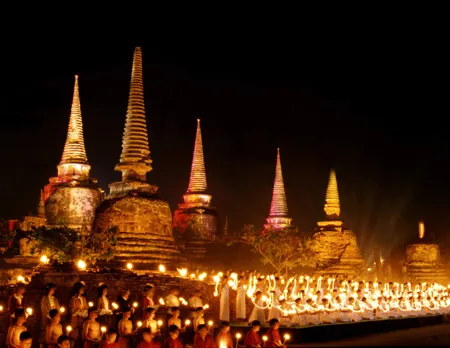
  • Yayot Ying Fa World Heritage Fairงานยอยศยิ่งฟ้า อยุธยามรดกโลก An annual celebration of UNESCO’s 13 December 1991 inscription of the Historic City of Ayutthaya — light-and-sound shows, historical pageantry, and cultural nights among the ruins. Come when the park after dark becomes a stage for the kingdom’s memory.
Ayutthaya culture

07

Travel Info & Getting There

Plan Your Journey

How to reach Ayutthaya from Bangkok, and how to move around once you arrive.

From Bangkok

By car

About 80 km north of Bangkok — roughly 1 to 1.5 hours in light traffic, longer at rush hour. Classic lines include Highway 1 (Phahonyothin) onto Highway 32, then Highway 309 into town; or the Nonthaburi–Pathum Thani corridor via Highways 347 / 3309 past Bang Sai and Bang Pa-In. Expressway 9 (Si Rat) shortens the metro exit when you want a cleaner run. A private taxi or hired car from Bangkok or Don Mueang is the easiest day-trip door-to-door; park outside the densest ruin lanes and walk the last stretches.

By train

The classic, cheapest way in. Frequent northern-line trains leave Krung Thep Aphiwat Central Terminal (Bang Sue) — ride the MRT Blue Line to Bang Sue — with many services also stopping at Don Mueang. Journey time is often about 50 minutes to 1.5 hours depending on the train; third-class fares start around 15–20 THB, with air-con reserved seats higher. A few locals still start from Hua Lamphong. Ayutthaya station sits east of the Pa Sak, off the historic island — cross by the short ferry (a few baht) or take a tuk-tuk into town. Check the current SRT timetable before you go; same-day walk-up tickets are usually easy outside peak weekends.

By bus

Direct big coaches from Bangkok are thin now — most travellers use air-con minivans. Win 91 and similar vans leave Mo Chit New Van Terminal (often building B) roughly every 30–40 minutes for about 150 THB and 1.5–2 hours in ordinary traffic; drop-offs cluster near Chao Phrom Market / Naresuan Road. Some tourist vans also leave from the Khao San area at higher fares. Luggage space is tight — oversized bags may need an extra seat. From Ayutthaya, songthaews and vans also link Bang Pa-In and neighbouring central towns.

Getting around

The historic island is flat and compact — a rented bicycle (often about 50–80 THB/day near U Thong Road, Soi 2, or the ferry landing) is still the loveliest way between Wat Mahathat, Wat Phra Si Sanphet, and the central park. Tuk-tuks cover heat, rain, and off-island stops such as Wat Chaiwatthanaram, Wat Phanan Choeng, and Bang Pa-In; agree the route and price first. Grab works for many point-to-point hops. Scooters suit confident riders looping Bang Pa-In or Bang Sai. For the rivers themselves, book a longtail or rice-barge circuit — there is no Bangkok-style public boat network, only tours and private hires.

Best time to visit

November to February is the sweet spot: cooler air, clearer light among the bricks, and easy full days on a bike. March to May turns fiercely hot — start at park opening (~07:30), rest through midday, and save riverside temples for late afternoon. May to October greens the rice plain and softens the crowds; pack for afternoon showers and occasional high water. Mid-April Songkran fills the old capital with processions; November brings Loi Krathong Tam Prathip. For a day trip from Bangkok, leave early and aim to be among the ruins before the tour buses peak.

Continue the Journey

Nearby Provinces