ThailandLover Contact

อ่างทอง

Ang Thong

The Golden Bowl

About 105 kilometres north of Bangkok, Ang Thong is a quiet rice basin on the Chao Phraya — no hills, two great reclining Buddhas, and river towns that once stood on Ayutthaya’s northern edge.

01

Geography & Climate

Basin of Two Rivers

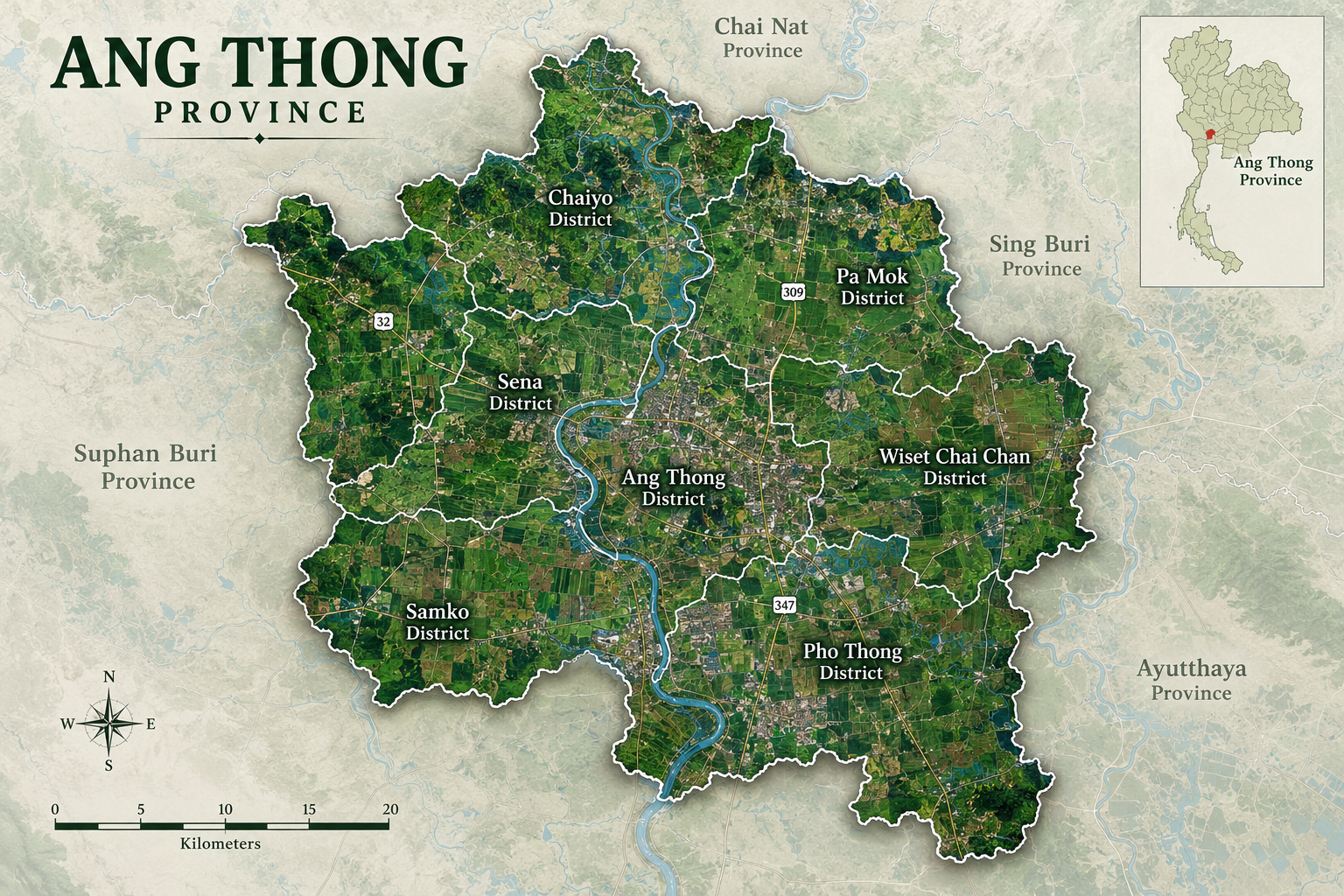
Ang Thong sits in the lower central plain, about 105 kilometres north of Bangkok on Highway 32, and covers roughly 968 square kilometres. It is a low basin of clay and sand with no mountains — about forty kilometres across, north to south and east to west. Seven districts share it: Mueang Ang Thong, Chaiyo, Pa Mok, Pho Thong, Sawaeng Ha, Wiset Chai Chan, and Samko. Sing Buri lies to the north, Ayutthaya to the east and south, and Suphan Buri to the west.

Two rivers water the bowl. The Chao Phraya runs about forty kilometres through Chaiyo, the provincial town, and Pa Mok. The Noi crosses the fields farther west and once carried the old city of Wiset Chai Chan. Between them the land is rice, with gardens on the higher banks. The climate is a tropical monsoon: hot from about March to May, rainy under the southwest monsoon from May to September, and cooler and drier from November to February, when the northeast wind clears the plain.

Best time: November – February for cooler, drier days on the rivers and in the temple towns; May – September for green rice and a higher Chao Phraya — the basin floods easily, so watch the water.

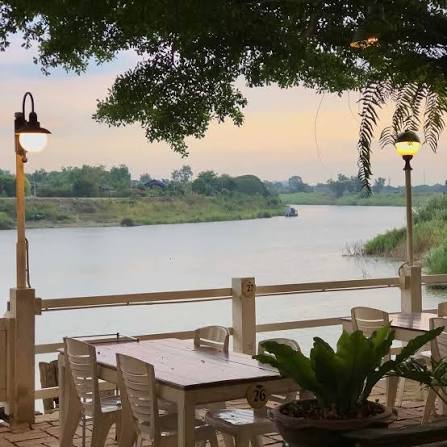
Ang Thong landscape

02

History & Heritage

From Wiset Chai Chan to Ang Thong

This basin is older than the name Ang Thong. People have farmed it for centuries on a plain with no hills, fed by the Chao Phraya and the Noi. In the Dvaravati period a modest town left its moat at Ban Khu Mueang in Sawaeng Ha, about four kilometres north of the district office. Sukhothai influence still shows in two great reclining Buddhas — at Wat Khun Inthapramun in Pho Thong, and at Wat Pa Mok Worawihan — the pair behind the old boast, city of two reclining Buddhas. Early Ayutthaya treated the land as the capital’s northern fringe. Around B.E. 2127 (1584) the chronicles first name Mueang Wiset Chai Chan, when Naresuan, still viceroy, and his brother Ekathotsarot used it as a muster on the boat road toward Suphan Buri. The old seat stood on the east bank of the Noi, at a hamlet still called Ban Chuan, the governor’s house.

Three explanations of the name still circulate, and the province keeps all three. One reads the land: a bowl (ang) of rice that turns gold (thong) at harvest — the provincial seal, sheaves standing in a basin of water. Another, offered to King Rama VI in B.E. 2459 (1916) by Phraya Boranratchathanin, governor of Monthon Ayutthaya, hears an older village, Bang Kham Thong, or lost channels called Pak Nam Prakham Thong and Mae Nam Sai Thong. A third, from Prince Damrong, says that in Naresuan’s time the Noi grew too shallow for dry-season boats, so the city moved to a Chao Phraya village already called Ban Ang Thong and kept that name. Provincial history then sets the new town at Ban Hae, beside Wat Chai Songkhram on the west bank of the big river, while Wiset Chai Chan remained a town until B.E. 2439 (1896), when it was reduced to a district. In B.E. 2356 (1813) King Rama II ordered a dam in front of the city so the current would feed Khlong Bang Kaeo. The work failed, and the seat moved to the canal mouth at Bang Kaeo, on the east bank of the Chao Phraya, where it still stands. In B.E. 2459 (1916) Mueang Ang Thong became Changwat Ang Thong.

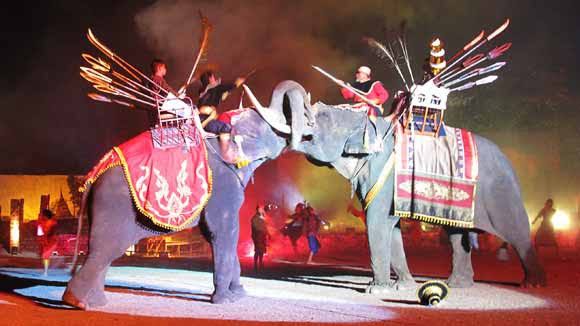
The same plain was a war road in late Ayutthaya. Naresuan’s campaigns crossed Pa Mok, Ban Hae, and the track through Samko toward the elephant duel in Suphan Buri. Local men joined the Bang Rachan defence; Ang Thong still honours Nai Dok and Nai Thong Kaeo at a monument in Wiset Chai Chan, on the edge of Sing Buri’s Bang Rachan country. A story that belongs to this province came a little earlier. In B.E. 2302 (1760) Khun Rong Palat Chu led 400 volunteers from Wiset Chai Chan to meet a Burmese army at Wa Khao, on the coast of today’s Prachuap Khiri Khan. The company was lost. Wat Si Roi, the Temple of the Four Hundred, carries their name.


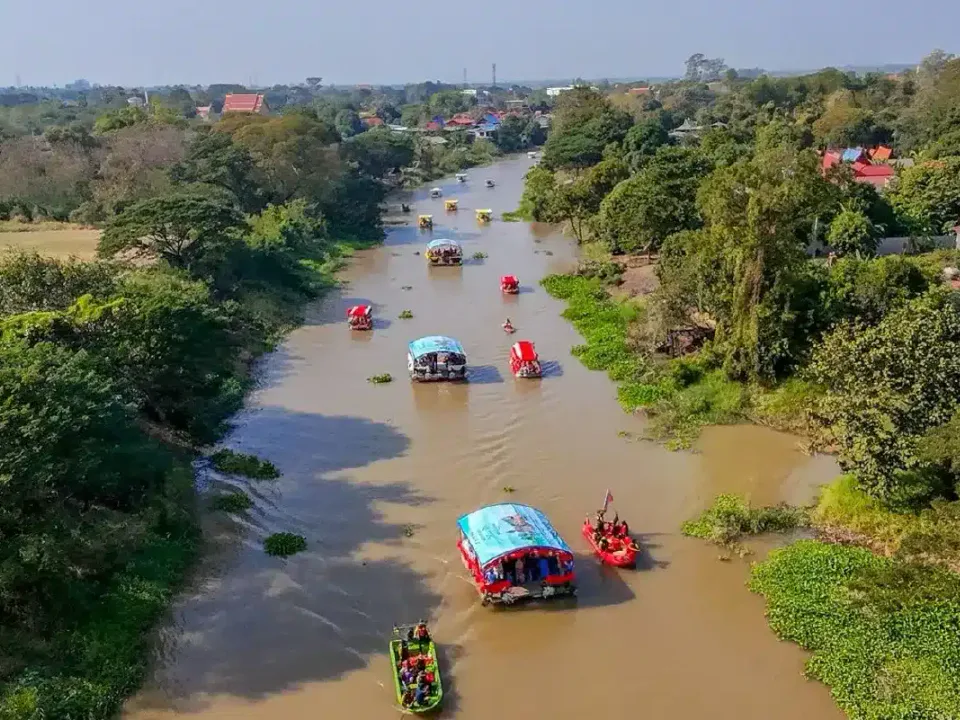
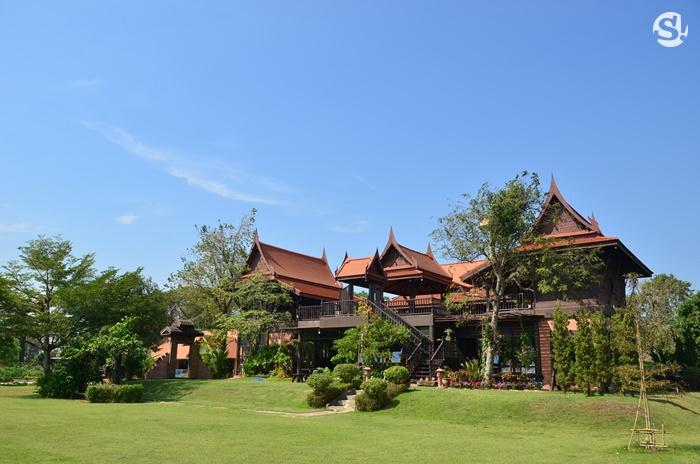
River boats and stilt houses along a waterway in old Ang Thong

03

Top Attractions

Places Not to Miss

The Great Buddha at Wat Muang, the reclining Buddha at Wat Khun Inthapramun, Luang Pho To at Wat Chaiyo, and the old gold-shrine market on the Noi — ten stops that shape an Ang Thong day, listed A to Z.

Ban Bang Sadet Court Doll Centre

Ban Bang Sadet Court Doll Centreศูนย์ตุ๊กตาชาววังบ้านบางเสด็จ

A two-storey Thai hall in the grounds of Wat Tha Sutthawat, opened in 1976 (B.E. 2519) on the initiative of Queen Sirikit The Queen Mother so villagers in Bang Sadet would have a second income. The cooperative still shapes clay court dolls — children at play, a piphat orchestra, Thai proverbs, fruit — and sells them from the centre. Community listings keep the hall about 09:00–16:00 every day. This is the “palace dolls” line of the provincial motto, in the place they are still made.

Location · Wat Tha Sutthawat, Bang Sadet, Pa Mok District

Ban Hun Lek

Ban Hun Lekบ้านหุ่นเหล็ก

A yard of robots, motorcycles, dinosaurs, and furniture built from scrap steel and old engine parts, on Highway 32 at kilometre 56. Phairot Thanomwong made the first piece in 2000 (B.E. 2543); the collection is now a family museum with a small café at the gate. The house’s own board keeps every day about 09:00–17:00, including holidays — adults 60 baht, children 30, and under 90 centimetres free. School groups can arrange a free visit ahead. Come for the steel, then a cold drink in the shade.

Location · 41/2 Mu 6, Talat Kruat, Mueang Ang Thong — Highway 32, km 56

Noi River Cruise

Noi River Cruiseล่องเรือแม่น้ำน้อย

The slow way to read Wiset Chai Chan. Covered boats and longtails leave piers along the Noi — the landing at San Chao Rong Thong Market is the straightforward start — for about one to two hours past stilt houses, temple roofs, and fruit gardens. The fare follows the boat and the distance, so ask at the pier before you board. Morning light is the kind hour; the same landing puts you straight into the old market when you step off.

Location · Piers on the Noi River, Wiset Chai Chan — the market landing is the easy start

Pho Di Home Cafe

Pho Di Home Cafeพอฎี โฮมคาเฟ่ · Pordee Home Cafe

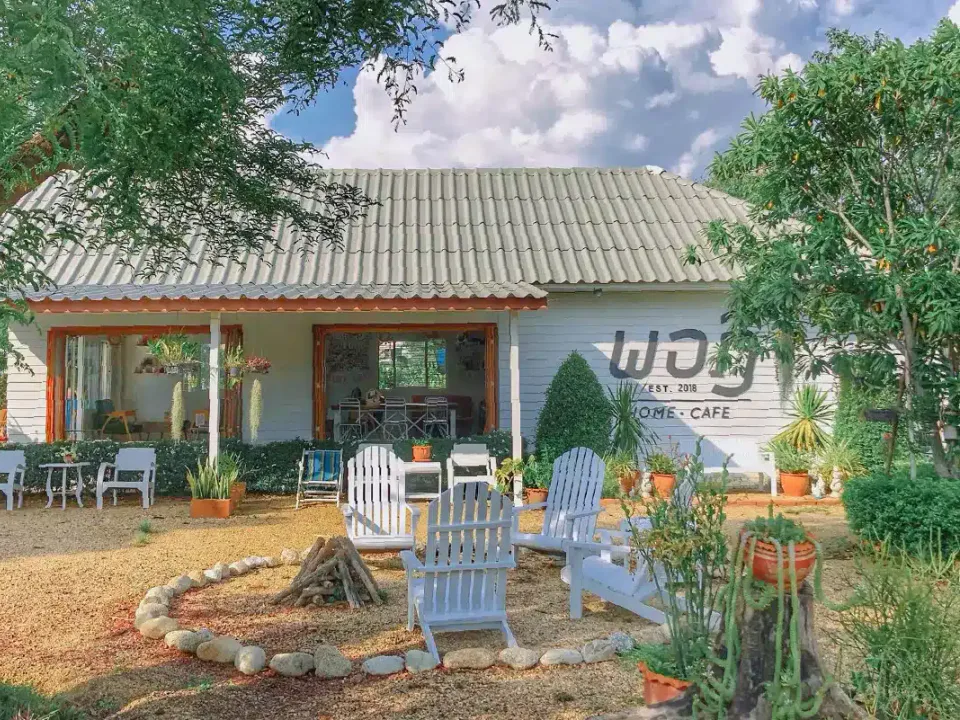
A white wooden house café, the wall signed established 2018, with a garden of chairs a short walk from San Chao Rong Thong Market. It is the pause after the shophouse lane — cake, arabica, and a quiet table rather than a landmark. A provincial note has kept hours about 09:30–17:00, closed Wednesday; a home café’s board moves, so read the door.

Location · 7 Mu 5, Soi Khwaeng Mueang Wiset 13, San Chao Rong Thong, Wiset Chai Chan

San Chao Rong Thong Market

San Chao Rong Thong Marketตลาดศาลเจ้าโรงทอง · ตลาดวิเศษชัยชาญ

A Thai–Chinese market more than a century old on the Noi, once called Talat Phai Cham Sin. Gold shops and the shrine of Guan Yu gave it the name it carries now. Wooden shophouses still sell century-recipe coffee, khanom ba bin, shrimp khanom khrok, and other old sweets. A tourism board lists the lane about 05:00–17:00 daily; the walk is fullest on a weekend morning, when the pier and the shrine are both awake.

Location · San Chao Rong Thong, Wiset Chai Chan District

The Lao Cafe Ang Thong

The Lao Cafe Ang Thongเดอะลาวคาเฟ่ อ่างทอง

A field café on Highway 3195 in Hua Taphan, a short drive from Wat Muang, with Lao coffee and the golden Buddha sitting in the rice beyond the tables. The gate sign reads coffee, art, and music; evenings on the weekend often bring a live set. Recent boards keep about 09:00–20:00, a little shorter on Wednesday and later on Friday and Saturday. Stop for the view on the way to or from the Great Buddha.

Location · 2/15 Hua Taphan, Wiset Chai Chan — Highway 3195

Wat Chaiyo Worawihan

Wat Chaiyo Worawihanวัดไชโยวรวิหาร · วัดเกษไชโย · หลวงพ่อโต

A second-class royal temple, also called Wat Ket Chaiyo, on the west bank of the Chao Phraya. The hall holds Phra Maha Phuttha Phim — Luang Pho To — a meditation Buddha about 22.65 metres high and 16.10 metres across the lap, raised in the reign of King Rama IV and tied to Somdet Phra Phutthachan (To Phromrangsi). The Phra Somdet Ket Chaiyo amulets that open the provincial motto come from this faith. Recent listings keep the grounds about 06:00–17:00, with no admission in the usual reading.

Location · Chaiyo District, west bank of the Chao Phraya

Wat Khun Inthapramun

Wat Khun Inthapramunวัดขุนอินทประมูล · พระศรีเมืองทอง

An old temple about ten kilometres from the provincial town, known for Phra Si Mueang Thong — a reclining Buddha about 50 metres long, stretched between brick columns, the body often wrapped in gold cloth. Thai tourism listings call it the country’s second-longest reclining Buddha, after Wat Bang Phli Yai Klang in Samut Prakan. Local memory says a tax official, Khun Inthapramun, lengthened an older image and paid for it with his life; the hall that once covered it was lost when Ayutthaya first fell. The figure is read as Sukhothai in style. Come in the morning, before the glare on the lawn.

Location · Inthapramun, Pho Thong District

Wat Muang

Wat Muangวัดม่วง · พระพุทธมหานวมินทร์ศากยมุนีศรีวิเศษชัยชาญ · หลวงพ่อใหญ่

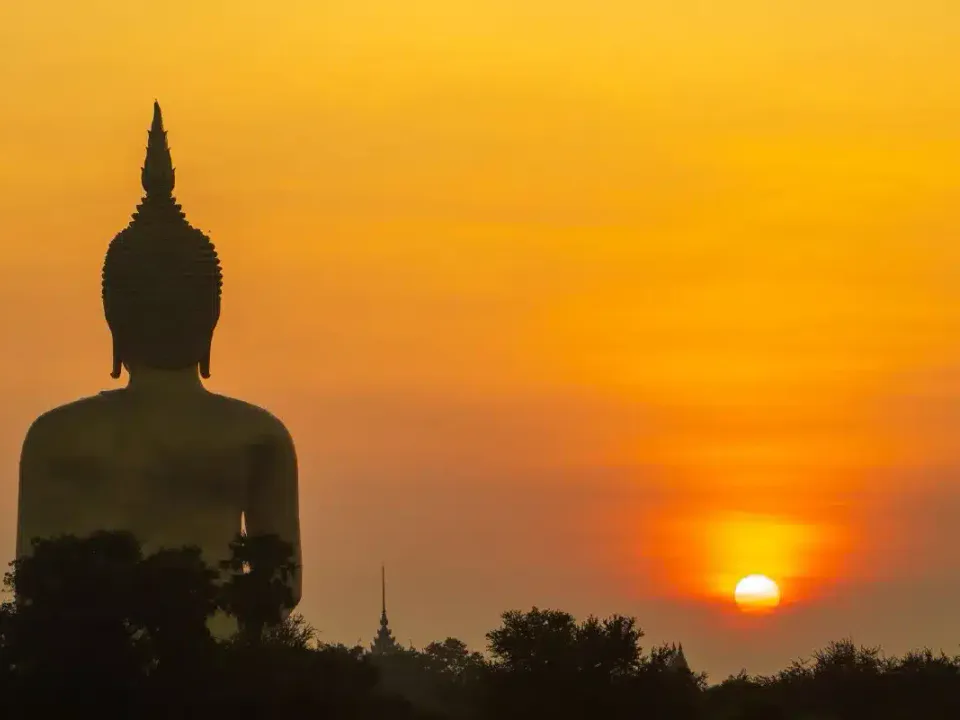
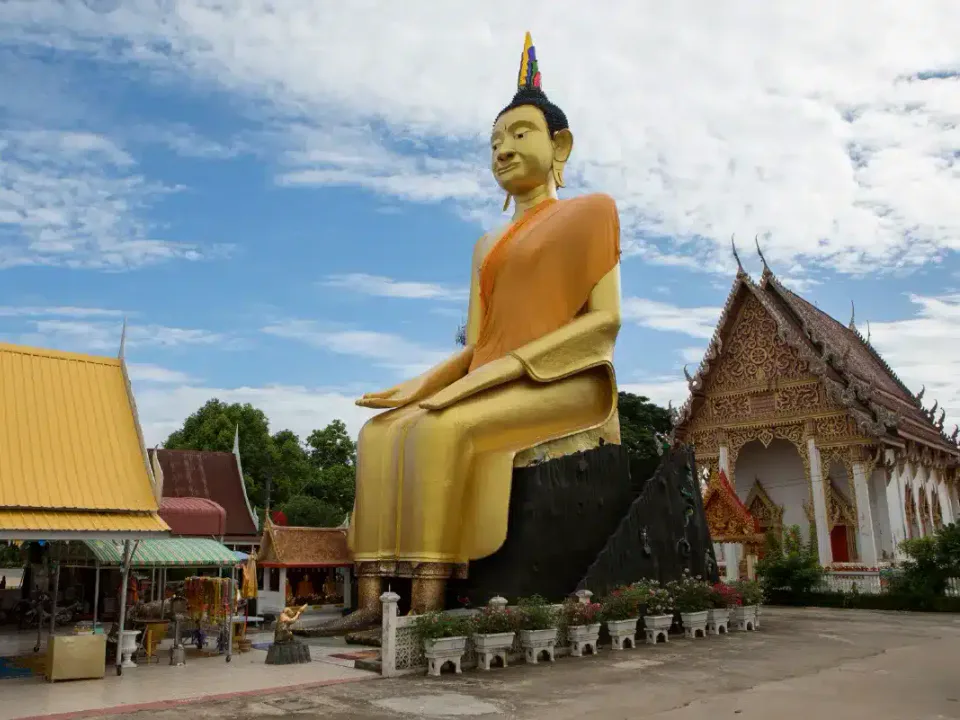
A late-Ayutthaya temple in Hua Taphan, rebuilt after the Burmese wars and now famous for one modern figure: Phra Phuttha Maha Nawamin Sakayamuni Si Wiset Chai Chan, Luang Pho Yai. The concrete Buddha, painted gold, sits in the Mara-subduing posture about 92 metres high and 63 metres across — Thailand’s tallest — begun in 1990 and finished in 2008. Around it, a statue walk leads through heaven and hell. Grounds have lately run about 06:00–18:00, a little later on weekends, with no admission fee in the usual reading. The lawn in front of the Buddha is open sun; bring shade.

Location · 19 Hua Taphan, Wiset Chai Chan District

Wat Si Roi

Wat Si Roiวัดสี่ร้อย

A riverside temple on the Noi, named for the 400 volunteers Khun Rong Palat Chu led from Wiset Chai Chan to Wa Khao in B.E. 2302 (1760). The company was lost; the temple and its monument keep the number. A large seated Buddha now fills the courtyard beside an ornate hall. The province still lays wreaths here in mid-November. Quiet on an ordinary morning — pair it with San Chao Rong Thong Market, a short ride along the same river.

Location · Si Roi, Wiset Chai Chan District, on the Noi River

04

Local Flavours & Food

River Fish, Soft-Bone Stir-Fry & Wood-Fire Pad Thai

Ang Thong eats like a small Chao Phraya province — snakehead smoked in a dragon jar, soft pork bone in dry chilli, wood-fire pad thai in Pho Sa, and Muslim khao mok on the Asia Highway when the northbound drive needs a stop.

The ten rooms below are the tables Wongnai still sends travellers to first, with hours and addresses rechecked on the restaurant boards into 2025–2026 — listed A to Z. Hours shift; tap Location before you go.

Where to Eat

Ten Tables, A to Z

Hours shift. Tap Location before you go.

Bok Tor

Bok Torบอกต่อ

Mon–Sat · about 10:00–21:00 · closed Sunday

A Thai room in Ban Hae that plates food in baskets and old ware, so the table photographs as well as it eats. Dry chilli soft-bone pork and tom yum with fish roe are the plates reviewers name first. Wongnai’s Ang Thong ten still keeps it among the rooms worth a detour; the house board runs Monday to Saturday about 10:00–21:00. Telephone 065-275-1898 before you drive.

Location · Ban Hae, Mueang Ang Thong

Je Waew Ancient Noodles

Je Waew Ancient Noodlesก๋วยเตี๋ยวโบราณเจ๊แหว๋ว

Daily · about 08:30–13:30 — morning kitchen

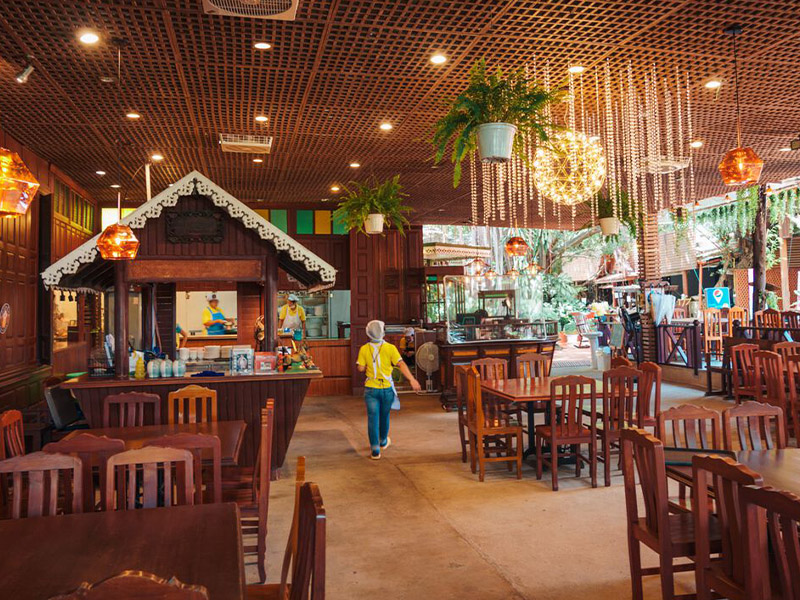
A wooden noodle house in Pa Mok that serves tom yum bowls in earthenware, with offal and crispy wontons in every usual order. Pork tom yum noodles and a tom yum wonton soup without the long noodles are the two asks. Come before lunch — the kitchen is a morning one.

Location · Pa Mok District

Khanom Chin Na Ang Thong

Khanom Chin Na Ang Thongขนมจีน ณ อ่างทอง

Tue–Sun · about 07:00–16:00 · closed Monday

A khanom chin counter in Chorakhe Rong with many sauces on one tray — nam phrik, southern coconut nam ya, nam ngiao, forest nam ya, tai pla, and green chicken curry — plus a free vegetable bar. Come with a group so you can share sauces; rice curry and a dry noodle salad sit beside the noodles if someone wants a second plate.

Location · Chorakhe Rong, Mueang Ang Thong

Kuaitiao Thang Khong

Kuaitiao Thang Khongก๋วยเตี๋ยวทางโค้ง

Daily · about 09:00–15:00

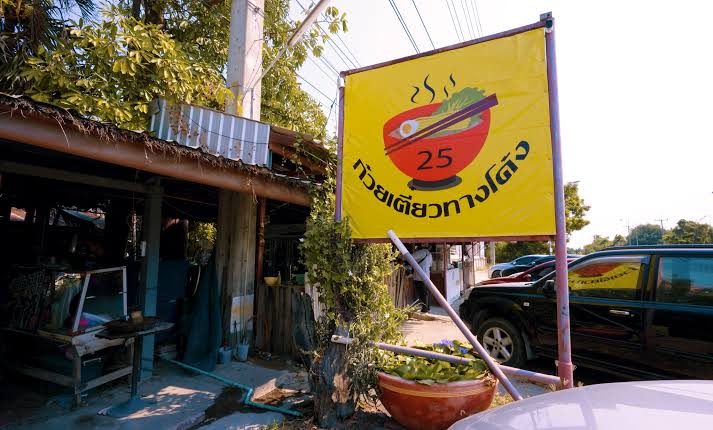
A noodle stop on the bend toward Pa Mok, known for tom yum bowls with minced pork, offal, soft-boiled egg, and crispy wontons. Egg noodles with wonton in tom yum broth is the board favourite. Recent notes keep about 09:00–15:00; telephone 064-926-5244 or 090-984-3739 if you are cutting it fine.

Location · Bang Pla Kot, Pa Mok — on the bend toward Pa Mok

Laila Muslim Chicken Biryani

Laila Muslim Chicken Biryaniไลลาข้าวหมกไก่อาหารมุสลิม

Daily · about 07:30 into mid-afternoon — board moves

A Muslim kitchen on the Asia Highway at Lak Fa, the big yellow-rice sign northbound travellers still notice. Chicken or beef khao mok with fried shallots, and oxtail soup on the side, are the plates to order. Come for a highway lunch; the kitchen runs early more than late.

Location · Lak Fa, Mueang Ang Thong — Asia Highway (Highway 32)

Lek Ban Ro

Lek Ban Roเล็กบ้านรอ

Daily · about 09:30–22:00 — some Mondays closed; call ahead

A long-running Thai garden in Talat Luang, more than twenty-five years old, with an open sala, an air-conditioned room, and a small pond by the car park. Snakehead smoked in a dragon jar over coconut husk — often named as the first of its kind here — soft-bone pork stir-fried dry with chilli, and river-fish tom yum lead the order. Telephone 035-612-070 before a Monday lunch; some boards still mark certain Mondays closed.

Location · Khankhlong Chonprathan Road, Talat Luang, Mueang Ang Thong

Niramit

Niramitนิรมิต

Daily · about 09:00–20:00

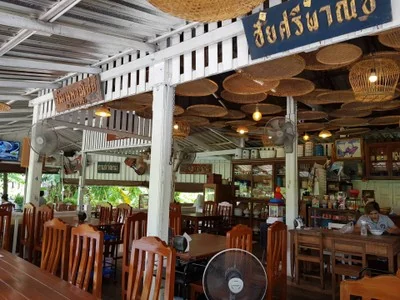
A riverside Thai garden on the Noi, about two kilometres from Wat Muang and close to San Chao Rong Thong Market, with air-conditioned rooms, shade tables, and seats on the water. Fresh-prawn pad thai, crab lon, and river fish in a hot stir-fry are easy shares. Telephone 035-631-052 or 081-852-4777; park in the lot before you walk to the river.

Location · 39/3 Mu 7, Soi Wat Nang Nai, Wiset Chai Chan — Noi River

Pad Thai Wat Thong Kung

Pad Thai Wat Thong Kungผัดไทยวัดท้องคุ้ง

Daily · about 08:30–14:40 — morning kitchen

A fifth-generation pad thai stall in Pho Sa, more than a century old, still cooked over wood fire in a wide lotus-leaf wok. The noodles stay chewy, the plate comes with egg, dried shrimp, and crushed peanut, and the sour side vegetables keep the sweet-salt from feeling heavy. An old-style pork noodle bowl sits beside it. Come before mid-afternoon; telephone 082-233-3887.

Location · Pho Sa, Mueang Ang Thong — near Highway 309

Pin To

Pin Toปิ่นโต

Daily · about 10:00–21:00

A Thai dining room in Pa Mok that Wongnai’s Ang Thong ten still ranks among the province’s longer meals — a fuller table than a noodle stop, with space for a family after the Pa Mok temples. Telephone 035-662-589 or 085-182-5479 if you are aiming for dinner; the board has lately run about 10:00–21:00.

Location · Pa Mok District

Ruean Rap Khwan

Ruean Rap Khwanเรือนรับขวัญ

Daily · about 11:00–21:00 — kitchen can close earlier

A quieter Thai house kitchen in Bang Chak, the kind of room friends name when they want a longer dinner away from the highway. Recent boards keep about 11:00–21:00, and one visitor note says the kitchen can wind down near 20:30 — arrive with time. Telephone 061-997-8987 before you drive from Wat Muang.

Location · Bang Chak, Wiset Chai Chan District

05

Local Specialties & Souvenirs

Kesorn Lamchiak, Court Dolls, and Chao Cha Weave

Ang Thong packs the Chao Phraya bowl into sweets, dried fish, and village craft. Wiset Chai Chan still rolls kesorn lamchiak and thin cube cakes on the Noi. Chaiyo sends pounded meat and salted eggs. Pa Mok paints court dolls; Pho Thong’s Ban Chao Cha weaves baskets that belong in the provincial motto.\n\nTen gifts are listed A to Z. Eat the fresh sweets within a day or two. Sealed fish, pia boxes, and a tight basket travel farther if the pack — or the weave — is sound.

  • Bamboo Basketry from Ban Chao Chaเครื่องจักสานบ้านเจ้าฉ่า · บางเจ้าฉ่า Handwoven baskets, trays, and bags from Ban Chao Cha (Bang Chao Cha) in Pho Thong — the craft line in Ang Thong’s provincial motto. Village makers still turn everyday farm weave into gift pieces and export forms. Buy where you can see the work; a firm basket rides home better than a soft snack box.
  • Court Dolls of Ban Bang Sadetตุ๊กตาชาววังบ้านบางเสด็จ Hand-shaped and painted clay figures of Thai life — children at play, piphat musicians, fruit, river scenes — from the cooperative beside Wat Tha Sutthawat in Pa Mok. Ban Bang Sadet Court Doll Centre keeps about 09:00–16:00 daily in recent listings; wrap fragile sets carefully. The dolls are the palace-doll line of the provincial motto, still made in the village that started them.
  • Drums & Miniature Furnitureกลอง · เครื่องเรือนจำลอง Small drums and finely made model furniture that still mark Ang Thong among central gift counters. Look for them at provincial OTOP and craft shops rather than tourist malls — pieces meant for a shelf, not a suitcase crush.
  • Kesorn Lamchiakขนมเกสรลำเจียก Ang Thong’s signature sweet from Wiset Chai Chan: a thin sticky-rice sheet poured on a hot pan, filled with stirred coconut, and folded like a lamchiak petal — often scented with candle smoke and pandan. Buy at San Chao Rong Thong Market (counters such as Kru Malee / Mali and Phonphan); eat within about one to two days. Fresh, not shelf-stable.
  • Khanom Piaขนมเปี๊ยะ Thin-pastry mooncake-style pia packed for the Asia Highway — firm bean fillings, salted-egg and lava options, and gift boxes that keep longer than wet Thai sweets. Local favourites still named in 2025–2026 guides include Aroi Soi 8 Ang Thong and Jad Khanom Wan. Sealed packs travel; soft fresh batches want an earlier open.
  • Luk Tao & Salee Cakesขนมลูกเต๋า · ขนมสาลี่ Bite-size cube cakes and light salee sponge with a dense bean filling that stays balanced, not cloying. Song Nimit at San Chao Rong Thong Market is the counter locals still send buyers to for thin pastry and neat gift packs. Keep flat so the cubes do not crush.
  • Pounded Meat & Salted Eggsเนื้อทุบ · ไข่เค็ม Chaiyo District’s savoury pair — pounded dried meat for rice or travel snacks, and salted duck eggs from the same gift lanes. Choose sealed packs with a clear date; keep cool on a long drive.
  • Rare Thai Sweetsขนมไข่ปลา · สัมปันนี · กลีบลำดวน · บ้าบิ่น · ทองหยิบทองหยอด Hard-to-find court and market sweets still made by hand in Wiset Chai Chan and the municipal market — fish-egg cookies, sampanni, lamduan petals, young-coconut ba-bin, and the golden tong yip / tong yot line. Walk San Chao Rong Thong Market early; many stalls sell out by mid-afternoon. Most are same-day eats.
  • Small Thong Muan Sticksทองม้วนแท่งเล็ก Crisp rolled coconut wafers in short sticks — a popular take-home from Wiset Chai Chan market lanes. Light, dry, and easy to share on the road; sealed bags keep better than open trays in humidity.
  • Sun-Dried Snakehead & Smoked Fishปลาช่อนแดดเดียว · ปลาแห้งเสียบไม้รมควัน · ปลาตากแห้ง Ang Thong is known for freshwater snakehead — sun-dried pla chon and other processed fish from local waters — plus smoked fish on sticks and plain sun-dried packs for the kitchen bag. Vacuum seals travel; fry or curry at home. Check the pack date and keep chilled if the journey is long.

06

Local Culture & Vibe

Hero Memorials, Longboats, and Khanom Chin Merit

Ang Thong keeps faith on the Chao Phraya and memory on the Noi. March honours Bang Rachan–linked heroes at Wiset Chai Chan and Sawaeng Ha. April carries Songkran trays in Ban Hae. After Lent, Pa Mok gilds the reclining Buddha and races longboats; Pho Thong’s Sam Ngam village still pounds rice into khanom chin for the monks.\n\nSeven rites and festivals are listed A to Z. Lunar dates move. The provincial culture office posts the year.

Ang Thong culture

Bun Khlok Paeng Khanom Chinประเพณีบุญโขลกแป้งขนมจีน

Usually the 11th waxing day of lunar month 11 · Wat Sawang Arom, Sam Ngam, Pho Thong District

A Sam Ngam village merit that began in B.E. 2485 (1942), when soaked rice from a sank boat was pounded into rice-noodle dough to feed the monks. Villagers still knead, pound, and draw the noodles by hand through the night, then offer khanom chin with forest curry and chicken green curry to about a hundred monks the next morning. The 2026 edition ran about 21–23 October; confirm the lunar board before you drive.

Gilding the Reclining Buddhaประเพณีปิดทองพระพุทธไสยาสน์ · วัดป่าโมกวรวิหาร

Usually after Buddhist Lent / late rainy season · Wat Pa Mok Worawihan, Pa Mok District

A riverside faith of more than three centuries: pilgrims apply gold leaf to the great reclining Buddha at Wat Pa Mok Worawihan, with chanting and temple fair nights along the Chao Phraya. Recent years have opened the gilding in mid-to-late October and paired it with the longboat weekend. Dress for the hall; shoes off at the sanctuary.

Homage to Luang Pho of Wat Chaiyoงานนมัสการหลวงพ่อโตวัดไชโยวรวิหาร

Twice a year · usually March and November · Wat Chaiyo Worawihan, Chaiyo District

Pilgrims fill the royal temple to honour Phra Maha Phuttha Phim — Luang Pho To — the great meditation Buddha tied to Somdet To. The Ministry of Culture calendar still lists two annual homage windows, with OTOP stalls and folk stages around the grounds. Pair a quiet bow in the hall with the temple day itself.

Longboat Racing at Wat Pa Mokงานประเพณีแข่งเรือยาววัดป่าโมก

Usually late October into November · Chao Phraya embankment in front of Wat Pa Mok Worawihan

Pa Mok’s water festival — thirty-oar longboats racing the main river in front of the royal temple, often the same week as the reclining-Buddha gilding. The 2026 provincial race drew more than ten crews on 27 October. Stand on the embankment for the heats; dates shift with the water and the district board.

Sawaeng Ha Heroes Tributeงานสดุดีวีรชนคนแสวงหา

Usually mid-March · Sawaeng Ha District / Si Bua Thong heroes memorial

An annual homage to the Si Bua Thong fighters remembered with Bang Rachan — Nai Than, Nai Chot, Nai In, and Nai Mueang. Wreath-laying at the memorial, processions, light-and-sound, and community stalls fill several days. The 19th edition (2025) ran about 12–16 March; the 20th (2026) was prepared for mid-March at the heroes’ site. Confirm the year’s dates before you go.

Songkran & Food-Tray Processionสงกรานต์ · พิธีหาบสำรับวิถีไทย

13–15 April · Ban Hae, Mueang Ang Thong, and other village temples

Thai New Year on the Chao Phraya plain — water blessings for elders, and in Ban Hae a revived tray-carrying rite: neighbours load kratip and trays of food onto shoulder poles and walk them to Wat Pho Wong for alms. Mornings suit the temple merit; afternoons fill the lanes. Keep phones dry and give way to the procession.

Wiset Chai Chan Heroes Memorialงานรำลึกวีรชนแขวงเมืองวิเศษไชยชาญ

Usually late March · Nai Dok–Nai Thong Kaeo Monument, Phai Cham Sin, Wiset Chai Chan

Four days of tribute to Nai Dok of Ban Klap, Nai Thong Kaeo of Ban Pho Thale, and the Wiset Chai Chan fighters of late Ayutthaya — spirit offerings, wreath-laying, identity parades, retro market stalls, and light-and-sound nights at the monument. The 2026 fair ran about 24–27 March. Come for the ceremony at dusk; stay for the musical if the board lists a show.

07

Travel Info & Getting There

Plan Your Journey

Ang Thong sits about 105 kilometres north of Bangkok on the Chao Phraya plain. Highway 32 — the Asian Highway — is the spine through Ayutthaya into town. There is no airport and no railway inside the province. A car opens Wat Muang, Wat Khun Inthapramun, Pa Mok, and the Noi market in one day; the Mo Chit minibus is the public door.

From Bangkok

By air

Ang Thong has no airport. Don Mueang is the practical landing if you fly — then join Highway 32 north past Bang Pa-in, or ride into Chatuchak and take a Mo Chit van. Suvarnabhumi means a cross-town transfer first. Most visitors simply leave Bangkok by road.

By car

About 105 kilometres from Bangkok on the short line. The classic spine is Highway 1 (Phahonyothin) onto Highway 32 — the Asian Highway — past Bang Pa-in and Bang Pahan in Ayutthaya, then into Mueang Ang Thong, often about 1½–2 hours once you are clear of the city. A western alternate crosses Pinklao onto Highway 340 through Nonthaburi and Pathum Thani toward Suphan Buri country, about 150 kilometres. A third line runs Pathum Thani–Pak Kret onto Highways 3111, 3263, and 309 into Pa Mok first — about 140 kilometres, useful if the reclining Buddha or the court-doll centre is your first stop. Highway 32 is a wide trunk road; Friday evenings and the Sunday drive home are the slow hours. From Ayutthaya allow under an hour; from Sing Buri about half an hour south. Temple and market parking is usually free — arrive early on festival weekends.

By train

There is no passenger railway station in Ang Thong. The nearest useful rail sits south at Ayutthaya on the northern line, or farther north-east at Lopburi (including the elevated Lopburi 2 bypass in Tha Wung). From either platform you still need a bus, songthaew, or hired car into Ang Thong — roughly forty-five minutes to an hour from Ayutthaya depending on traffic. Booking sites sometimes list “Ang Thong” under a Lopburi-bound train; read the alighting station on the ticket before you pay. Check the State Railway board; times move.

By bus

Air-conditioned minibuses from Mo Chit 2 (Chatuchak) are the ordinary public ride into the Chao Phraya corridor. JP Succeed Transport’s Route 905 Bangkok–Sing Buri vans still set down at Ban It (Rom Sai petrol-station shelter) on the Ang Thong edge — recent boards have listed about 148 baht with morning-to-afternoon Bangkok departures (for example from about 06:40). Ask the counter for the Ang Thong drop before you board a through van. Larger Transport Co. (999) and joint coaches also run Mo Chit 2–Ang Thong Provincial Bus Terminal on the northern corridor — roughly two hours in ordinary traffic; fares and departure sheets move, so read the day’s board or book online. Luggage space in vans is tight. The last Bangkok-bound ride is often mid-to-late afternoon; do not cut a same-day return fine.

Getting around

Mueang Ang Thong is compact and flat around the Chao Phraya embankment — walk short hops, or use a motorcycle taxi and Grab where they answer. Beyond town the province spreads across seven districts: Wat Muang and The Lao Cafe sit in Wiset Chai Chan; Wat Khun Inthapramun in Pho Thong; Wat Chaiyo on the west bank; Ban Bang Sadet Court Doll Centre and Wat Pa Mok along the river in Pa Mok; San Chao Rong Thong Market on the Noi. Songthaews and local buses follow main roads between districts and thin after dark — they rarely stop at every temple gate. For a temple–market–doll day, hire a car or fix a driver at the bus station before you leave town. Leave Highway 32 itself to confident riders only — the freight is fast.

Best time to visit

November to February is the kind season — cooler air on the plain, clearer light at Wat Muang and along both rivers. March brings the Wiset Chai Chan and Sawaeng Ha heroes fairs, and one of the two Luang Pho Chaiyo homage windows. Mid-April Songkran fills Ban Hae with food-tray processions. March to May turns fiercely hot; start temples at opening and rest through midday. May to October greens the rice bowl and raises the Chao Phraya — the basin floods easily, so watch the water. After Lent into late October–November, Pa Mok gilds the reclining Buddha and races longboats; Pho Thong’s Sam Ngam village still pounds khanom chin for the monks on the lunar board. Check the provincial calendar before a festival weekend.

Continue the Journey

Nearby Provinces